
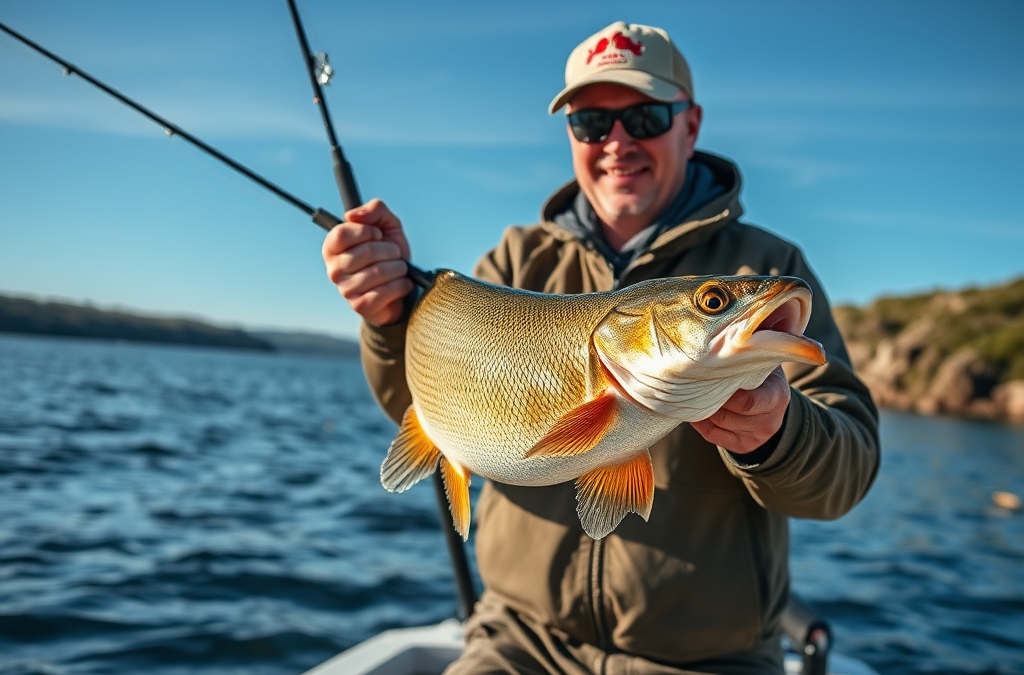
Preparing for a fishing tournament involves strategic planning, equipment readiness, and understanding local regulations. Start by researching the tournament rules, selecting the right gear tailored to the target species, and practicing your fishing techniques in similar conditions. Ensure your boat and safety equipment are in top condition, and consider weather forecasts to plan your fishing strategy effectively.
Understanding Tournament Rules
Before you even think about your fishing techniques, it’s crucial to understand the specific rules of the tournament you are entering. Different tournaments may have varying regulations regarding the types of bait allowed, fishing methods, and even the size and species of fish that can be caught. Familiarizing yourself with these rules can prevent disqualification and ensure a smooth experience.

Many tournaments will provide a rulebook or guidelines in advance. Pay close attention to details such as the fishing boundaries, time limits, and any specific catch-and-release policies. Understanding these rules allows you to strategize effectively and align your fishing methods with the tournament’s requirements.
Common mistakes include assuming all tournaments have the same rules or neglecting to read the fine print. Always double-check the official tournament website or contact the organizers if you have questions. This proactive approach helps avoid surprises on tournament day.
Understanding Tournament Rules matters because it turns prepare for a fishing tournament from a broad idea into a decision the reader can actually apply. The practical difference usually shows up in the details: how much is needed, when the choice is made, what tradeoff is acceptable, and what sign shows the approach is working. For technology topics, the strongest advice connects the user goal, system constraint, maintenance burden, and measurable outcome.
A useful way to handle this section is to compare the normal baseline with the situation that creates extra demand. If tournament is the baseline concern, then fishing becomes the adjustment point and rules becomes the outcome to watch. That keeps the advice specific without forcing the reader into a rigid formula that may not fit their routine, budget, tolerance, schedule, or current level of experience.
The most common mistake is changing too many variables at once. A better approach is to choose one measurable adjustment, use it consistently long enough to see a pattern, and then refine the next step based on energy, comfort, performance, safety, or reliability. This makes the guidance easier to trust because the reader can connect the recommendation to what they observe rather than guessing from a generic checklist.
The practical takeaway is to make the section actionable: identify the main constraint, choose the smallest useful change, and compare the result against the goal. When the outcome improves, the reader can keep the approach. When it does not, the next change should target the most likely bottleneck rather than repeating the same step with more effort.
Selecting the Right Equipment
Your fishing gear can significantly impact your performance in a tournament. Selecting the right equipment involves understanding the species you are targeting and the specific conditions of the tournament waters. For instance, if you are fishing in freshwater lakes for bass, you might opt for a medium-action rod paired with suitable lures and lines.
Additionally, ensure that your tackle box is organized and contains all necessary items, including hooks, weights, and tools for landing fish. It’s also wise to have backup gear ready in case of unforeseen equipment failure. This might include spare rods, reels, and tackle.
Many anglers overlook the importance of safety equipment. Always check that your life jacket is in good condition and that you have necessary safety gear on board, such as flares, a first-aid kit, and a fire extinguisher. This preparation not only keeps you safe but also allows you to focus on fishing without worrying about safety issues.
Selecting the Right Equipment matters because it turns prepare for a fishing tournament from a broad idea into a decision the reader can actually apply. The practical difference usually shows up in the details: how much is needed, when the choice is made, what tradeoff is acceptable, and what sign shows the approach is working. For technology topics, the strongest advice connects the user goal, system constraint, maintenance burden, and measurable outcome.
A useful way to handle this section is to compare the normal baseline with the situation that creates extra demand. If fishing is the baseline concern, then tournament becomes the adjustment point and equipment becomes the outcome to watch. That keeps the advice specific without forcing the reader into a rigid formula that may not fit their routine, budget, tolerance, schedule, or current level of experience.
The most common mistake is changing too many variables at once. A better approach is to choose one measurable adjustment, use it consistently long enough to see a pattern, and then refine the next step based on energy, comfort, performance, safety, or reliability. This makes the guidance easier to trust because the reader can connect the recommendation to what they observe rather than guessing from a generic checklist.
Practice and Preparation
Practice is essential when preparing for a fishing tournament. Spend time on the water before the tournament to familiarize yourself with the fishing location and conditions. This practice should include testing your fishing techniques and adjusting your strategy based on what works best in that specific environment.
Consider practicing with the exact gear you will use during the tournament. This helps you become comfortable with your equipment and allows you to troubleshoot any issues that may arise. Additionally, practicing under various weather conditions can give you insights into how fish behavior changes, which is crucial for tournament success.
A common mistake is to underestimate the importance of practice. Many anglers believe they can rely solely on their past experiences or skills. However, each fishing spot can present unique challenges, and being prepared can make a significant difference in your performance.
Practice and Preparation matters because it turns prepare for a fishing tournament from a broad idea into a decision the reader can actually apply. The practical difference usually shows up in the details: how much is needed, when the choice is made, what tradeoff is acceptable, and what sign shows the approach is working. For pet topics, the strongest advice connects behavior, environment, consistency, health, and the animal’s response over time.
A useful way to handle this section is to compare the normal baseline with the situation that creates extra demand. If fishing is the baseline concern, then tournament becomes the adjustment point and practice becomes the outcome to watch. That keeps the advice specific without forcing the reader into a rigid formula that may not fit their routine, budget, tolerance, schedule, or current level of experience.
The most common mistake is changing too many variables at once. A better approach is to choose one measurable adjustment, use it consistently long enough to see a pattern, and then refine the next step based on energy, comfort, performance, safety, or reliability. This makes the guidance easier to trust because the reader can connect the recommendation to what they observe rather than guessing from a generic checklist.
Planning Your Tournament Day
On the day of the tournament, having a clear plan can help you stay focused and maximize your chances of success. Start by reviewing the tournament schedule, ensuring you know when and where to check in and the official start time.
Consider factors such as weather conditions and tidal movements, as these can impact fish activity. Having a flexible plan that allows you to adapt to changing conditions is essential. Prioritize your time effectively; if you know certain spots are likely to yield better catches, allocate more time to those areas while still exploring others.

Don’t forget to keep track of your catches and adhere to any reporting requirements. This can often be a point of confusion, so staying organized helps avoid mistakes that could impact your standing in the tournament.
Planning Your Tournament Day matters because it turns prepare for a fishing tournament from a broad idea into a decision the reader can actually apply. The practical difference usually shows up in the details: how much is needed, when the choice is made, what tradeoff is acceptable, and what sign shows the approach is working. For technology topics, the strongest advice connects the user goal, system constraint, maintenance burden, and measurable outcome.
A useful way to handle this section is to compare the normal baseline with the situation that creates extra demand. If tournament is the baseline concern, then time becomes the adjustment point and prepare becomes the outcome to watch. That keeps the advice specific without forcing the reader into a rigid formula that may not fit their routine, budget, tolerance, schedule, or current level of experience.
The most common mistake is changing too many variables at once. A better approach is to choose one measurable adjustment, use it consistently long enough to see a pattern, and then refine the next step based on energy, comfort, performance, safety, or reliability. This makes the guidance easier to trust because the reader can connect the recommendation to what they observe rather than guessing from a generic checklist.
Frequently Asked Questions
What should I do if I catch a fish that is too small?
If you catch a fish that does not meet the size requirements, release it back into the water immediately to comply with tournament rules.
How important is it to practice before a tournament?
Practicing before a tournament is crucial as it helps you understand the fishing location, refine your techniques, and become familiar with your gear.
What type of bait should I use for a fishing tournament?
The type of bait you should use depends on the species of fish you are targeting and local preferences. Research what works best for the tournament location.
Can I change my fishing spot during the tournament?
Yes, you can change your fishing spot as long as you remain within the designated tournament boundaries and adhere to the time limits.
What safety equipment is necessary for tournament fishing?
Essential safety equipment includes a life jacket, a first-aid kit, and signaling devices like flares, which are crucial for ensuring your safety on the water.
Further Reading
Authoritative Sources
- Investor.gov
investor.govSEC investor education resources for evaluating financial products and risk.
- FINRA Investor Insights
finra.orgInvestor education, broker-check tools, and financial decision resources.
- Consumer Financial Protection Bureau
consumerfinance.govConsumer guidance on credit, debt, lending, and financial products.
- Internal Revenue Service
irs.govOfficial tax guidance, forms, and compliance information.
Conclusion
Preparing for a fishing tournament requires careful attention to rules, equipment, practice, and planning. By understanding the tournament regulations, selecting the right gear, practicing effectively, and having a strategy for tournament day, you can enhance your chances of success. Focus on preparation to make the most of your tournament experience, and remember that adaptability is key to navigating the challenges of tournament fishing.

