
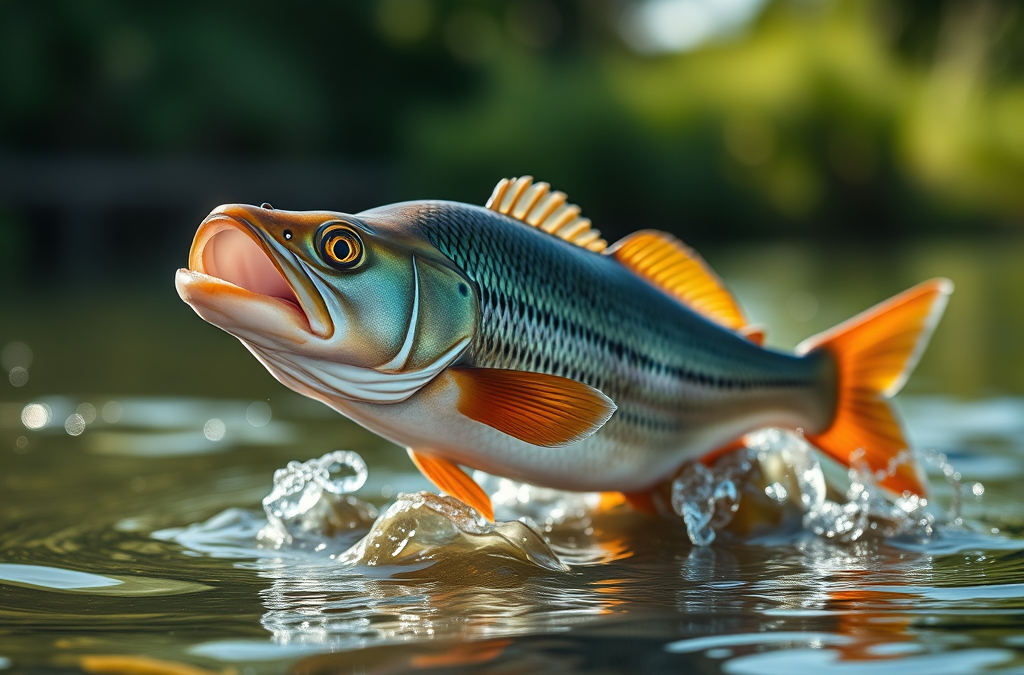
To recognize fish species based on their behavior, focus on their swimming patterns, feeding techniques, and social interactions. For instance, predatory fish like pike and bass often exhibit aggressive movements and ambush tactics, while schooling species such as sardines display synchronized swimming. Observing these behaviors in different environments, such as during warmer months when fish are more active, can enhance your identification skills. Additionally, noting what fish eat—whether they are surface feeders or bottom scavengers—provides further clues to their species. By understanding these behavioral traits, anglers can tailor their fishing strategies for improved success.
Understanding Fish Behavior
Recognizing fish species through their behavior involves understanding the various behavioral traits that differentiate them. Fish behavior can be categorized into several areas, including locomotion, feeding, and social interaction. For instance, predatory fish like pike and bass exhibit aggressive hunting behavior, characterized by quick darting movements and ambush tactics. In contrast, species such as goldfish or guppies may display slower, more leisurely movements, reflecting their feeding and social habits. Knowing these behavioral nuances aids in the identification process and can significantly enhance fishing success.

Moreover, environmental factors such as water temperature, habitat type, and time of day can influence fish behavior. For example, during warmer months, many fish species become more active, increasing their visibility and feeding frequency. Observing these patterns not only helps in recognizing species but also allows anglers to adapt their strategies accordingly.
Feeding Habits of Different Species
Feeding habits are a critical component of fish behavior that can aid in species recognition. Different fish have evolved distinct feeding strategies based on their ecological niches. For example, herbivorous fish, like parrotfish, graze on algae and coral, while carnivorous fish, such as trout, hunt smaller fish and insects. By observing what a fish is eating and how it approaches its food, anglers can make educated guesses about its species.
Some fish species, like catfish, are bottom feeders that scavenge for food, often seen rummaging through sediment. This behavior contrasts with surface feeders, such as mackerel, which hunt near the water’s surface. Recognizing these feeding patterns is essential; for instance, using specific baits that mimic the natural diet of the target species can improve fishing effectiveness.
Social Structures and Interactions
Fish species often display unique social behaviors that can be indicative of their identity. For example, schooling species such as sardines and herring move in large, synchronized groups, which serves as a defense mechanism against predators. Observing the manner in which fish interact with one another can provide clues about their species. Some species are solitary, like the pike, while others are highly social, such as clownfish, which live in symbiotic relationships with sea anemones.
Understanding these social structures can help anglers determine the best approach for catching specific species. For instance, knowing that some fish are more likely to be found in schools can influence where an angler chooses to cast their line. Additionally, recognizing territorial behaviors, such as aggressive displays during breeding seasons, can further assist in identifying species.
Observation Techniques for Anglers
Effective observation techniques are vital for recognizing fish species based on their behavior. Anglers should focus on several key aspects: water surface activity, fish movement patterns, and habitat preferences. For instance, observing ripples or splashes on the water’s surface can indicate fish feeding, while sudden movements may suggest the presence of predatory species.
Utilizing tools such as polarized sunglasses can enhance visibility, allowing anglers to see beneath the water’s surface and observe fish behavior more clearly. Additionally, maintaining patience and being quiet while fishing can prevent scaring fish away, increasing the chances of observing their natural behaviors.
Another practical technique involves keeping a fishing log, where anglers can note specific behaviors, locations, and conditions under which different species were observed. This record can serve as a valuable resource for future fishing trips, helping to refine species recognition skills.

Frequently Asked Questions
What are the key behaviors to observe in fish?
Key behaviors include swimming patterns, feeding habits, and social interactions, which can indicate the species present.
How can I improve my ability to recognize fish species?
Improving recognition involves observing unique behaviors, patterns, and environmental factors that influence fish activity.
What role does water temperature play in fish behavior?
Water temperature affects fish metabolism and activity levels, influencing feeding patterns and visibility.
Are there specific tools that can help in observing fish behavior?
Polarized sunglasses enhance visibility, while underwater cameras can provide detailed views of fish interactions.
How do social structures affect fishing strategies?
Understanding social structures helps anglers determine where to cast their lines, especially in schooling species.
Further Reading
Authoritative Sources
- Library of Congress Research Guides
guides.loc.govResearch guides that help readers locate reliable background sources on a wide range of subjects
- USA.gov Official Information and Services
usa.govOfficial U.S. government information and public resources for practical reference
- Google Scholar
scholar.google.comAcademic search resource for finding research literature and source material
Conclusion
Recognizing fish species based on their behavior is an invaluable skill for anglers. By understanding key behaviors, feeding habits, and social interactions, anglers can improve their identification skills and enhance their fishing success. Observational techniques, such as using polarized sunglasses and keeping a fishing log, can further aid in this process. Ultimately, the more you observe and learn about fish behavior, the more effective your fishing strategies will become.

