
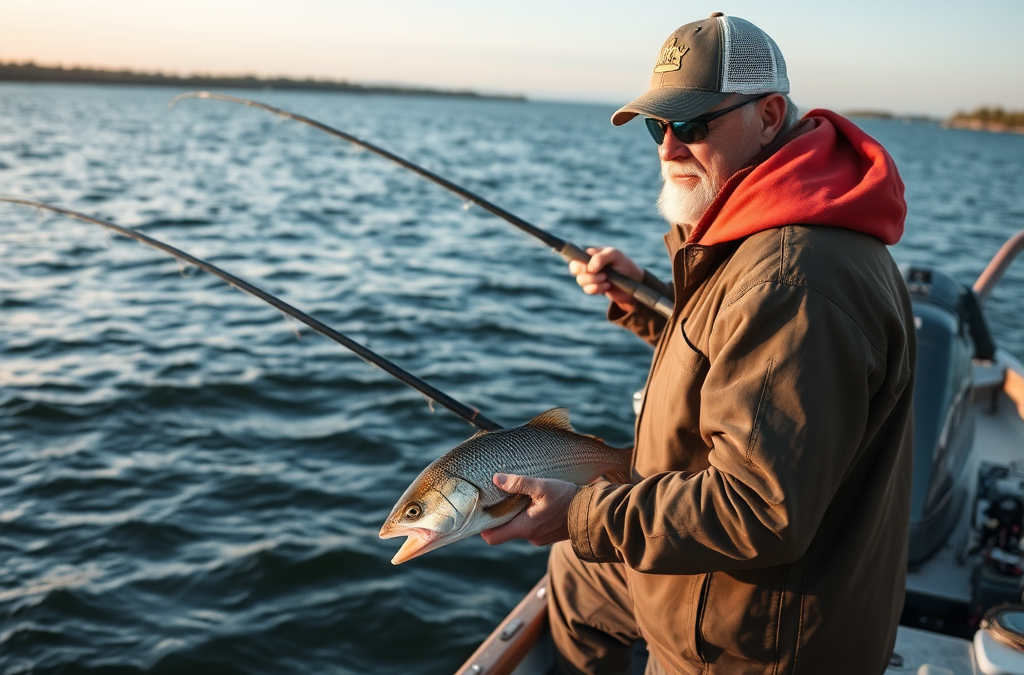
If your fishing spot is overfished, it's important to seek out alternative locations that are less frequented by anglers. Look for nearby lakes, rivers, or coastal areas that may offer better opportunities for catching fish. Additionally, consider adjusting your fishing techniques by using different baits or lures that target species that are still abundant. Practicing sustainable fishing methods, such as catch and release, can also help preserve fish populations. By diversifying your fishing experiences and being mindful of local ecosystems, you can continue to enjoy the sport while contributing to the health of aquatic environments.
Understanding Overfishing and Its Impact
Overfishing occurs when fish are caught at a rate faster than they can reproduce, leading to a decline in fish populations. This phenomenon not only affects the targeted species but also disrupts entire ecosystems, causing imbalances that can result in the decline of other marine life. Understanding the implications of overfishing is crucial for anglers who want to maintain healthy fishing environments.

When a fishing spot becomes overfished, it can lead to diminished catches, smaller fish sizes, and a lack of diversity in species available. Anglers may notice that their usual spots yield fewer fish over time, prompting the need for alternative strategies to ensure a sustainable fishing experience.
Identifying Signs of Overfishing
Recognizing the signs of overfishing is essential for anglers. Common indicators include a noticeable decrease in the number of fish caught, smaller average sizes of fish, and a lack of variety in species. Additionally, if local fishing reports indicate a decline in fish populations or if fellow anglers express similar concerns, these are strong signs that a fishing spot may be overfished.
Environmental changes, such as pollution or habitat destruction, can also contribute to the decline of fish populations. Monitoring local conditions, including water quality and habitat health, will help identify whether the decline is due to overfishing or other environmental factors. Understanding these signs enables anglers to make informed decisions about where to fish.
Exploring Alternative Fishing Locations
When faced with an overfished spot, exploring alternative fishing locations is a viable solution. Research local lakes, rivers, or coastal areas that are less frequented by anglers. State and national parks often provide access to pristine waters that may still support healthy fish populations.
Utilizing online resources, such as fishing forums and local fishing reports, can help identify promising new spots. Additionally, consider reaching out to local fishing clubs or organizations for recommendations on lesser-known fishing locations. By broadening your fishing horizons, you can discover new areas that offer exciting fishing opportunities.

Adjusting Your Fishing Techniques
Adapting your fishing techniques can significantly improve your chances of success when your traditional spots become overfished. Experiment with different fishing methods, such as using various bait types or fishing at different times of day. For example, some fish are more active during dawn or dusk, while others prefer mid-day.
Additionally, consider targeting different species that may not be as affected by overfishing. Research the local ecosystem to learn which species are thriving in your area and adjust your approach accordingly. Learning new techniques can enhance your fishing experience and help maintain the balance of local fish populations.
Practicing Sustainable Fishing
Engaging in sustainable fishing practices is essential for preserving fish populations and ensuring that future generations can enjoy the sport. This includes following local regulations, such as size and bag limits, and practicing catch and release whenever possible. Utilizing barbless hooks can minimize injury to fish, making it easier for them to survive after being released.
Educating yourself about the local ecosystem and participating in conservation efforts can also contribute to healthier fishing environments. By being a responsible angler, you can play a part in protecting the waters and fish populations you enjoy. Sustainable practices not only benefit the environment but also enhance the overall fishing experience.
Further Reading
Authoritative Sources
Authoritative Sources
- NOAA Fisheries
fisheries.noaa.govThis resource provides valuable information on sustainable fishing practices and the status of fish populations
- Association of Fish and Wildlife Agencies
fishwildlife.orgA comprehensive source for understanding fish conservation efforts and regulations

