
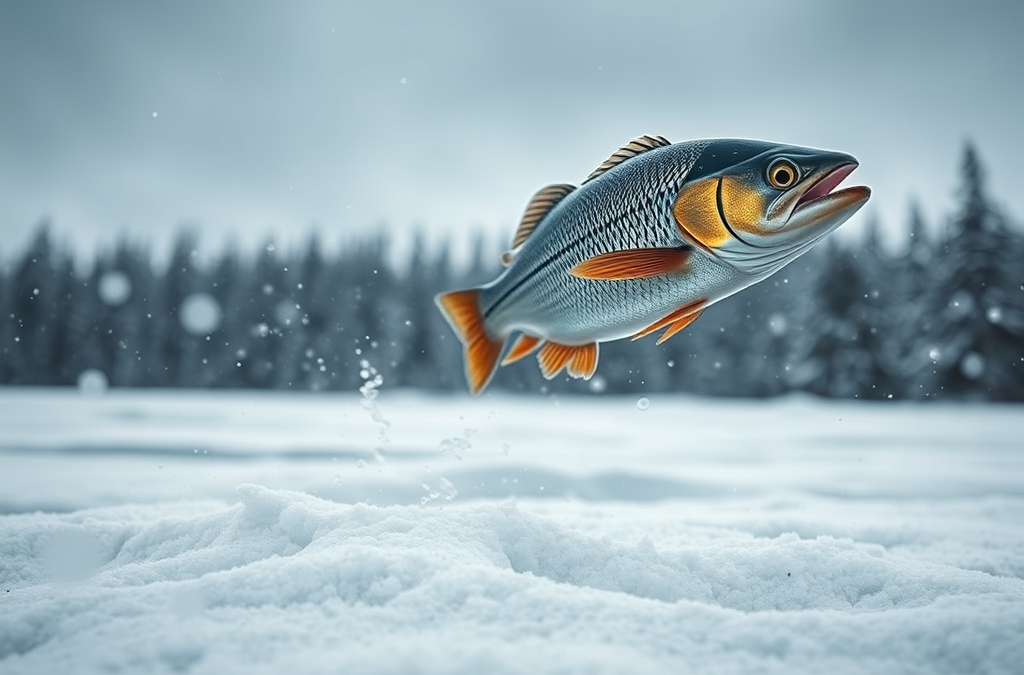
To find fish during extreme weather conditions, focus on understanding how temperature changes affect fish behavior, seek deeper waters where fish often retreat, and use specific bait that mimics local prey. Pay attention to water clarity and currents, as these factors can also influence fish movement. Adapting your fishing strategy based on weather patterns can significantly improve your chances of a successful catch.
Understanding Fish Behavior in Extreme Weather
Fish behavior changes significantly during extreme weather conditions, such as storms or temperature fluctuations. During a cold front, for instance, fish often become less active and may seek deeper, warmer waters. Conversely, when a warm front approaches, fish can become more active and move towards shallower areas. Understanding these patterns helps anglers adjust their strategies accordingly.

Temperature variations impact fish metabolism, affecting their feeding habits and movement. For example, during a cold snap, fish may stay close to the bottom where the water remains warmer, while during a warming trend, they may move up to feed. Additionally, changes in water clarity due to rain or runoff can also influence where fish are located, as they tend to seek shelter in areas with better visibility.
Techniques for Fishing in High Winds and Heavy Rain
Fishing in high winds and heavy rain can be challenging but also rewarding. One effective technique is to seek out sheltered areas where fish may be hiding from the wind and current. Look for coves, inlets, or structures like docks that provide protection. These spots often hold fish that are more willing to bite.
When fishing in the rain, consider using lures that create vibrations or noise, as these can attract fish even in murky water. Topwater lures can be particularly effective during light rain, as the splashing mimics natural prey. Adjusting your casting technique to account for wind direction is also crucial; casting downwind can help maintain accuracy and distance.
Adjusting Your Gear and Bait Selection
Choosing the right gear and bait is essential when fishing under extreme weather conditions. Heavier lines and stronger hooks are recommended to handle the challenges posed by rough waters and larger fish that may be more active during storms. Additionally, consider using a bait that resembles the local forage, as fish are more likely to strike at something familiar.
Live bait, such as minnows or worms, can be more effective during extreme conditions, as they offer a natural presentation. However, if you prefer artificial lures, opt for those that mimic the movement and colors of local baitfish. Experimenting with different sizes and colors can help determine what fish are responding to best in current conditions.

Safety Considerations While Fishing in Severe Conditions
Safety should always be a priority when fishing during extreme weather. Before heading out, check the weather forecast and be aware of any warnings or advisories. High winds and storms can create dangerous conditions on the water, so it’s essential to choose your fishing location carefully.
Wearing appropriate clothing and gear can help protect you from the elements. Ensure that your boat is equipped with safety equipment, including life jackets, flares, and a first aid kit. If conditions worsen while you’re out, be prepared to return to shore promptly. Know your limits and don’t take unnecessary risks; the safety of you and your companions should always come first.
Further Reading
Authoritative Sources
- NOAA Fisheries
fisheries.noaa.govProvides information on fish behavior and habitats, particularly during extreme weather conditions
- California Department of Fish and Wildlife
wildlife.ca.govOffers resources and guidelines for anglers regarding safe fishing practices in various weather conditions
- Texas Parks and Wildlife
tpwd.texas.govIncludes tips on fishing techniques and safety considerations during extreme weather events

