
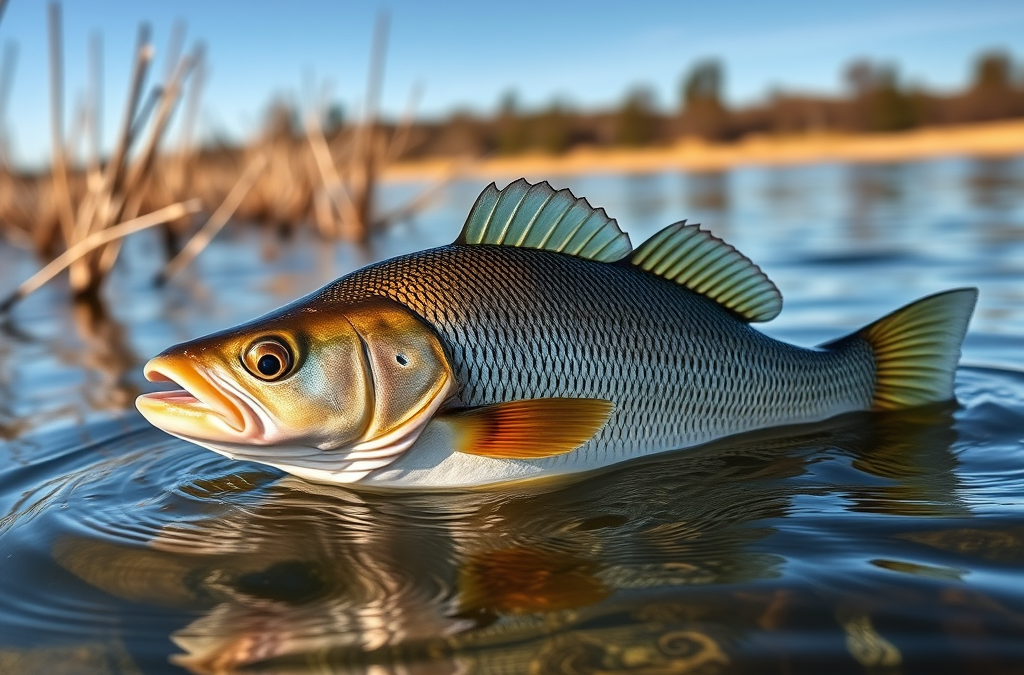
To recognize fish feeding patterns during different times of day, observe water temperature, light conditions, and food availability. Fish are often more active during dawn and dusk, taking advantage of lower light levels to hunt. Key indicators include surface activity, such as jumping fish or ripples, and changes in water temperature that can signal feeding times. Understanding these patterns can significantly improve your fishing success.
Understanding Fish Behavior
Fish behavior is influenced by various environmental factors, making it essential for anglers to understand these dynamics. Fish feeding patterns are closely linked to their natural instincts, which dictate when and how they seek food. Generally, fish are more likely to feed when they feel secure and when their prey is abundant. This understanding helps anglers identify optimal fishing times.

For instance, fish tend to feed more aggressively during low-light conditions. This is because they feel less exposed to predators and can take advantage of the cover provided by shadows. Anglers should pay attention to these behavioral cues, as they can significantly affect fishing success.
Key Times for Feeding
The most effective times for fishing often coincide with specific periods of the day. Early mornings and late afternoons are known as the ‘golden hours’ for many species. During these times, the combination of rising temperatures and increased insect activity can trigger feeding frenzies.
In the morning, water temperatures begin to rise, and fish become more active as they prepare for the day’s feeding. Similarly, in the evening, as the sun sets, fish often move closer to the surface to hunt. Observing these patterns supports your fishing strategy.
Environmental Influences
Several environmental factors can influence fish feeding patterns, including water temperature, weather conditions, and food availability. Water temperature plays a significant role in determining fish activity levels. Warmer temperatures generally increase metabolic rates, leading to more active feeding.
Weather conditions also impact fish behavior. Overcast days can lead to increased feeding activity, as fish feel more secure from predators. Conversely, bright, sunny days may cause fish to retreat to deeper waters or seek cover. Understanding these influences can help anglers adapt their strategies accordingly.
Practical Tips for Anglers
To effectively recognize fish feeding patterns, anglers should observe their surroundings closely. Look for signs of activity, such as jumping fish or disturbances on the water surface. These are indicators that fish are feeding and can provide valuable insights into their behavior.
Additionally, maintaining a flexible approach is crucial. If fish are not biting, consider changing your location or the time of day you are fishing. Experimenting with different baits and techniques can also yield better results. Ultimately, being attentive to the natural environment and understanding fish behavior will enhance your fishing experience.
Frequently Asked Questions
What time of day is best for fishing?
Early morning and late afternoon are generally the best times for fishing, as fish are more active during these periods.
How does water temperature affect fish feeding?
Warmer water temperatures typically increase fish metabolic rates, leading to more active feeding behavior.
What environmental factors influence fish feeding patterns?
Water temperature, weather conditions, and food availability are key environmental factors that influence fish feeding patterns.
How can I tell if fish are feeding?
Signs of feeding include jumping fish, surface disturbances, and increased insect activity on the water.
What should I do if fish aren't biting?
If fish aren't biting, consider changing your location, adjusting your bait, or altering the time of day you fish.
Further Reading
Authoritative Sources
- Library of Congress Research Guides
guides.loc.govResearch guides that help readers locate reliable background sources on a wide range of subjects
- USA.gov Official Information and Services
usa.govOfficial U.S. government information and public resources for practical reference
- Google Scholar
scholar.google.comAcademic search resource for finding research literature and source material
Conclusion
Recognizing fish feeding patterns throughout the day is crucial for any angler looking to improve their success. By understanding key times for feeding and the environmental factors that influence fish behavior, you can make informed decisions that enhance your fishing experience. Observing signs of activity and being adaptable in your approach will lead to better outcomes on the water.

