
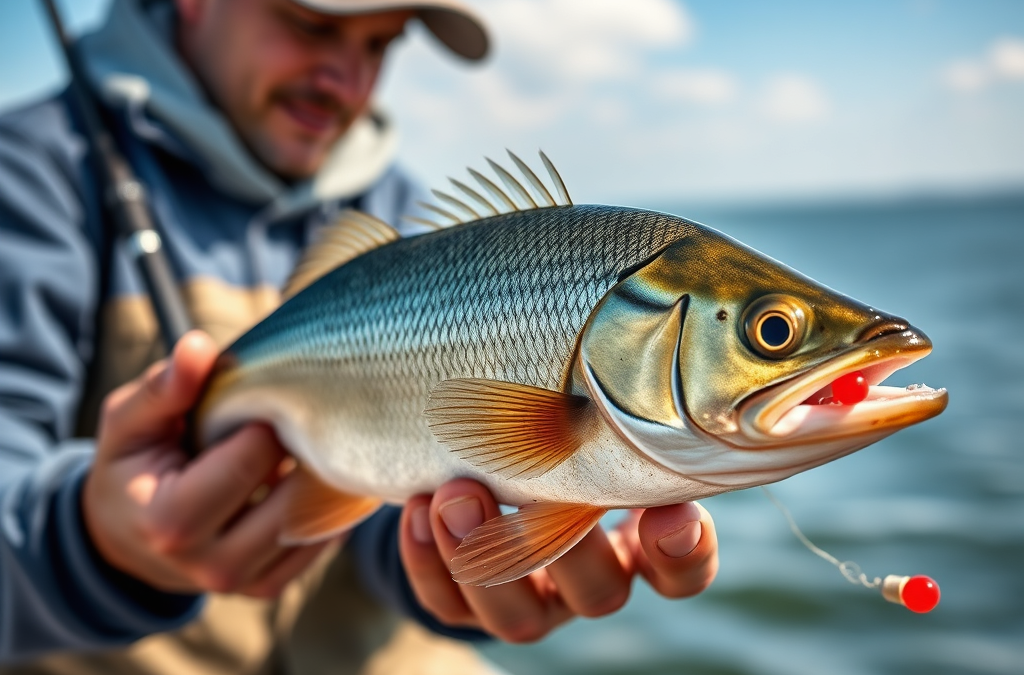
Fish may be avoiding your bait due to factors such as water temperature, bait presentation, and the type of bait used. If the water temperature is too cold or too warm, fish may not be active enough to bite. Additionally, improper presentation can make your bait unappealing. Finally, using the wrong type of bait for the species you're targeting can also lead to frustration. Assess these factors to improve your chances of a successful catch.
Understanding Fish Behavior
Fish behavior is crucial in understanding why they may be avoiding your bait. Fish are influenced by various factors including their natural instincts, feeding patterns, and environmental conditions. For instance, certain species have specific feeding times during the day, often linked to light and temperature changes. Understanding these behavioral patterns can help you time your fishing trips effectively and increase your chances of success. Moreover, fish are cautious creatures, and if they sense danger or an unnatural presence, they may shy away from your bait.

Common mistakes include fishing at the wrong time of day or in unsuitable weather conditions. For example, fishing during the heat of midday when fish are less active can lead to unproductive outings. Instead, aim for dawn or dusk when fish are more likely to be feeding. Additionally, consider the species you are targeting; some fish are more active during specific seasons or temperatures.
Environmental Factors Affecting Bait
Environmental factors play a significant role in whether fish will bite your bait. Water temperature, clarity, and current can all influence fish activity. For instance, if the water is too cold, fish may become lethargic and less likely to chase after bait. Conversely, if the water is too warm, fish may seek cooler depths, making them less accessible.
Water clarity also impacts fish behavior. In murky waters, fish rely more on their sense of smell than sight, so using strong-scented baits can be beneficial. In clear waters, however, fish can see your bait easily, requiring a more subtle presentation. Furthermore, the current can affect how bait moves in the water, which is crucial for attracting fish. A bait that flows naturally with the current is often more enticing than one that appears out of place.
Bait Presentation Techniques
How you present your bait can significantly affect your success rate. A common mistake is using a static presentation, where the bait does not move or mimic natural prey behavior. Fish are more likely to bite if the bait looks alive and is presented in a way that resembles their natural food sources. Techniques like jigging, twitching, or varying the retrieval speed can simulate the movement of prey and attract fish.
Additionally, consider the depth at which you are fishing. Different species of fish prefer different depths based on their feeding habits and the time of day. For example, bass may be found in shallower waters in the early morning, while catfish might prefer deeper, cooler areas during the heat of the day. Adjusting your bait depth can make a significant difference in attracting fish.
Choosing the Right Bait for the Species
Selecting the correct bait is essential for successful fishing. Different fish species have varying dietary preferences. For example, if you are targeting trout, using live bait like worms or minnows may be more effective than artificial lures. On the other hand, species like pike and muskie may respond better to larger, flashy lures that mimic injured fish.
Moreover, seasonal changes can affect bait preferences. In spring, fish may be more inclined to chase after smaller baits as they spawn, while in autumn, larger baits may be more appealing as fish prepare for winter. Understanding the life cycle and feeding habits of your target species can help you choose the best bait and increase your chances of a successful catch.

Frequently Asked Questions
What are common reasons fish avoid bait?
Common reasons include incorrect water temperature, poor bait presentation, and using the wrong type of bait for the species you are targeting.
How does water temperature affect fish behavior?
Water temperature influences fish metabolism and feeding activity, with colder temperatures often leading to reduced activity and warmer temperatures prompting fish to seek cooler areas.
What is the best time to fish for active bites?
The best times to fish are typically early morning and late evening when fish are most active due to favorable light and temperature conditions.
How can I improve my bait presentation?
Improving bait presentation can involve varying your retrieval speed, using movement techniques like jigging, and ensuring your bait mimics natural prey behavior.
Why is the right bait important for fishing success?
The right bait is crucial as different fish species have specific dietary preferences and using the correct bait increases the likelihood of attracting them.
Conclusion
Understanding why fish may be avoiding your bait involves examining various factors, including their behavior, environmental conditions, and bait presentation techniques. By paying attention to water temperature, clarity, and the type of bait used, anglers can significantly improve their chances of a successful catch. Adjust your strategy based on the species you are targeting and the conditions of your fishing environment. This practical approach will help you make informed decisions and enhance your fishing experience.

