
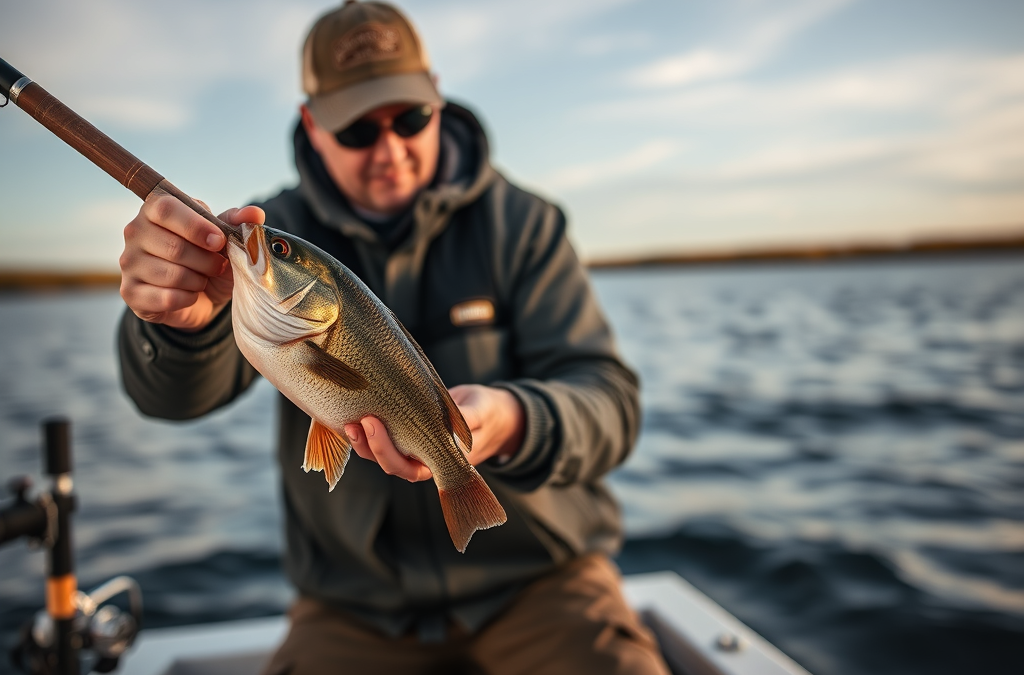
When to switch bait types during a fishing trip depends on several factors such as water temperature, fish activity levels, and environmental conditions. If fish are not biting, consider changing to a bait that mimics their natural prey or adjusting the size and color of your lure. Timing is crucial; often, switching bait can significantly improve your chances of success, especially during peak feeding times or after environmental changes like rain or temperature shifts.
Understanding the Importance of Bait Selection
Bait selection is crucial for successful fishing. The right bait can mean the difference between a fruitful trip and a day of frustration. Fish are influenced by their environment, and they respond differently to various types of bait based on factors like their natural feeding habits and the specific conditions of the water.

Using the right bait helps attract fish and encourages them to bite, increasing your chances of catching them. Understanding the behavior of the target species and how they react to different baits is essential. For instance, if you’re fishing for bass, using worms or jigs may be more effective compared to using minnows, especially in warmer months.
Factors Influencing Bait Changes
Several factors can influence when and why you should switch bait types. Key considerations include:
- Water Temperature: Fish are cold-blooded and their activity levels fluctuate with water temperature. In colder waters, fish tend to be less active and may prefer slower-moving baits. Warmer temperatures often trigger more aggressive feeding, making faster baits more effective.
- Weather Conditions: Changes in weather, such as rain or overcast skies, can affect fish behavior. For example, overcast conditions may prompt fish to move shallower, making surface baits or topwater lures more appealing.
- Time of Day: Fish feeding patterns can vary throughout the day. Early morning and late evening are typically prime times for fishing, as fish are more actively feeding. Adjusting your bait during these times can yield better results.
- Fish Species and Behavior: Different species have unique feeding preferences. Understanding what your target species typically feeds on and how they react to various baits is crucial for success.
When to Make the Switch
Knowing when to switch bait types is essential for adapting to changing conditions. Here are some scenarios to consider:

- No Bites: If you haven’t had a bite for a significant period, it may be time to change your bait. Experimenting with different sizes, colors, or types can help find what attracts fish.
- Environmental Changes: If there’s been a recent change in the weather or water conditions, such as a drop in temperature or a rainstorm, fish may adjust their feeding behavior. Switching to a bait that mimics their natural food source during these changes can be beneficial.
- Observing Fish Activity: If you see fish jumping or surfacing, consider switching to a bait that matches what they are feeding on. Matching the hatch can often lead to increased success.
Common Mistakes When Switching Bait
While switching bait can be beneficial, there are common mistakes to avoid:
- Not Observing Conditions: Failing to pay attention to water conditions and fish behavior can lead to ineffective bait choices. Always observe the environment before making a switch.
- Overcomplicating Choices: Sometimes, anglers may overthink their bait selection. Start with simple changes, such as color or size, before trying more drastic alternatives.
- Ignoring Previous Success: If a particular bait worked well earlier in the trip, don’t abandon it too quickly. Fish behavior can change, but sticking with what has previously worked can still yield results.
Further Reading
Authoritative Sources
- Library of Congress Research Guides
guides.loc.govResearch guides that help readers locate reliable background sources on a wide range of subjects
- USA.gov Official Information and Services
usa.govOfficial U.S. government information and public resources for practical reference
- Google Scholar
scholar.google.comAcademic search resource for finding research literature and source material
Popular Questions
Why is a Table of Contents important in a lengthy article?
A Table of Contents helps readers navigate complex or lengthy articles efficiently. It provides a clear overview of the structure, making it easier to find specific information quickly. This improves user experience and encourages readers to engage more deeply with your content. Additionally, it can improve SEO by highlighting key sections of your article.
What should you check first when Table of Contents is not working well?
Check the most immediate bottlenecks first: setup errors, missing inputs, bad timing, or inconsistent follow-through. Before buying anything new or changing the whole system, confirm that the basics are being done correctly and consistently. A small diagnostic checklist usually reveals the real problem faster than broad trial and error. Once the weak point is clear, make one correction and watch the result before adjusting anything else.
What common mistakes make Table of Contents harder than it needs to be?
The most common mistakes are changing too many variables at once, skipping the basics, and judging results too quickly. Many people also copy generic advice without adapting it to their exact situation, which leads to weak results and confusion. A better approach is to work from a simple baseline, make measured changes, and give each change enough time to show whether it helped. That makes progress easier to track and repeat.

