
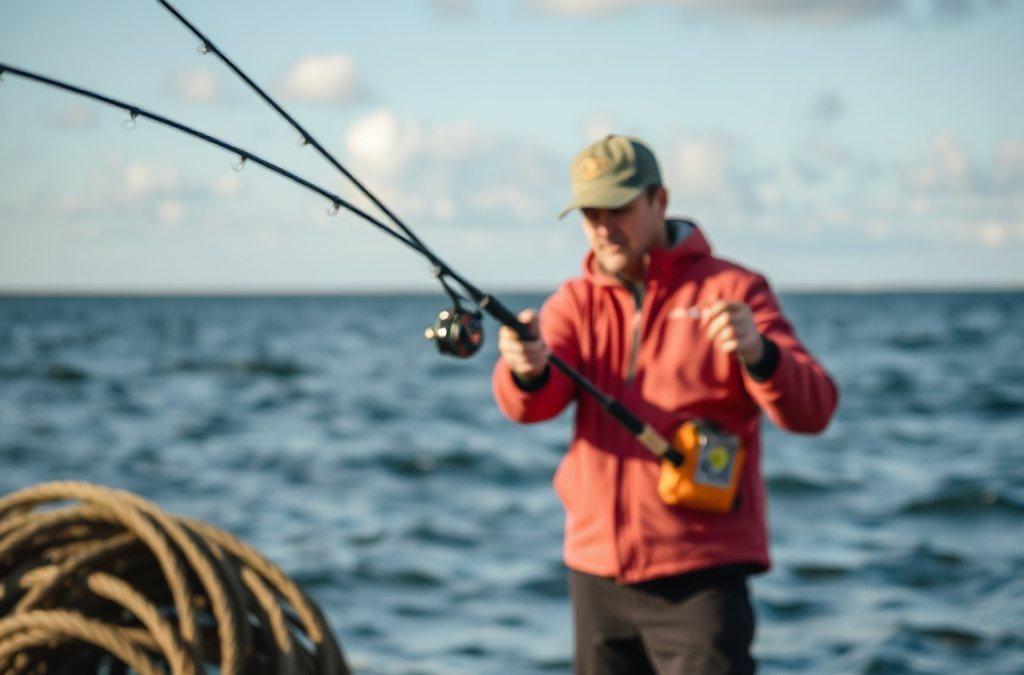
Your fishing line may keep snapping unexpectedly due to several factors, including improper line selection, wear and tear, and environmental conditions. Using a line that is too weak for the intended catch can lead to breakage. Additionally, abrasion from rocks, sharp objects, or even poor knot tying can weaken the line. Regularly inspecting your fishing line and replacing it when necessary can prevent these issues and improve your fishing success.
Understanding Fishing Line Types
The type of fishing line you choose plays a critical role in your fishing success. There are primarily three types of fishing lines: monofilament, fluorocarbon, and braided lines. Each type has its own strengths and weaknesses, making them suitable for different fishing scenarios.

Monofilament lines are popular for their stretch and ease of use. However, they can be prone to UV degradation and may weaken over time, especially when exposed to sunlight. Fluorocarbon lines are less visible underwater and have a higher density, making them sink faster, but they can be more brittle and susceptible to snapping under pressure. Braided lines offer exceptional strength and sensitivity, but they can be more prone to abrasion damage from rocks and other underwater structures.
Choosing the right line depends on the species you’re targeting and the fishing environment. Always consider the line’s strength, diameter, and stretch characteristics to ensure it matches your fishing conditions.
Common Reasons for Line Breakage
Line breakage can occur for several reasons, often related to user error or environmental factors. One common mistake is using a line that is not rated for the weight of the fish being targeted. For example, using a 10-pound test line to catch a 30-pound fish is asking for trouble.
Another frequent issue is improper knot tying. Many anglers underestimate the importance of a secure knot, which can lead to breakage at the connection point. The Palomar knot is a popular choice for its reliability, but it must be tied correctly to ensure strength.
Additionally, wear and tear from previous fishing trips can compromise line integrity. Abrasion from rocks, sharp objects, or even damaged guides on the fishing rod can weaken the line without visible signs. Regularly replacing your line and checking for frays or weak spots is essential in avoiding sudden breakage.
Environmental Factors Impacting Line Integrity
Environmental conditions can significantly impact the performance of your fishing line. Water temperature, for instance, affects the flexibility and strength of the line. Cold water can make monofilament lines stiffer, increasing the chance of snapping under stress.
Moreover, fishing in areas with heavy cover, such as weeds or submerged structures, increases the risk of abrasion. Lines can easily get caught on these obstacles, leading to unexpected breakage. Wind and current can also play a role, as they may put additional strain on the line when casting or retrieving a catch.

It’s essential to assess your fishing environment before heading out. Understanding how these factors affect your line will help you make better choices regarding line type and strength.
Preventative Measures to Avoid Snapping
To minimize the chances of your fishing line snapping unexpectedly, consider implementing a few preventative measures. First, always match the line strength to the species you are targeting. This will ensure that your line can handle the weight of the fish without breaking.
Regularly inspect your line for signs of wear, such as frays or discoloration. If you notice any damage, it’s best to replace the line immediately. Additionally, practicing proper knot tying techniques can significantly reduce breakage during use. Consider using a line conditioner to maintain flexibility and strength, particularly for monofilament lines.
Lastly, familiarize yourself with the fishing environment and adjust your techniques accordingly. For instance, if you’re fishing in rocky areas, consider using a more abrasion-resistant line or adjusting your casting techniques to avoid snags.
Further Reading
Authoritative Sources
Authoritative Sources
- NOAA Fisheries
fisheries.noaa.govOffers comprehensive resources on fishing practices and line selection
- Fishbrain
fishbrain.comA social network for anglers that provides insights on fishing gear and techniques
- Bass Pro Shops
basspro.comProvides a wealth of information on fishing gear, including line types and their applications
Popular Questions
What are the best practices for formatting a Table of Contents?
Use consistent formatting such as numbered lists or bullet points to enhance readability. Incorporate clickable links if your content is digital, allowing quick navigation. Keep the layout clean and simple, avoiding clutter to ensure the Table of Contents remains user-friendly.
How does a well-structured Table of Contents improve reader engagement?
A well-structured Table of Contents helps readers quickly locate the information they need, reducing frustration and increasing engagement. It provides a clear overview of the article's scope, encouraging readers to explore more sections. This organization also enhances the overall professionalism of your content.
What is the fastest way to improve Table of Contents without making beginner mistakes?
The fastest way to improve Table of Contents is to simplify the process and control one variable at a time. Start with the most important baseline: define the goal, identify the main failure point, and test one change before making another. Keep short notes so you can connect the outcome to the adjustment you made. This prevents guesswork and helps you build a repeatable method instead of chasing random fixes.

