
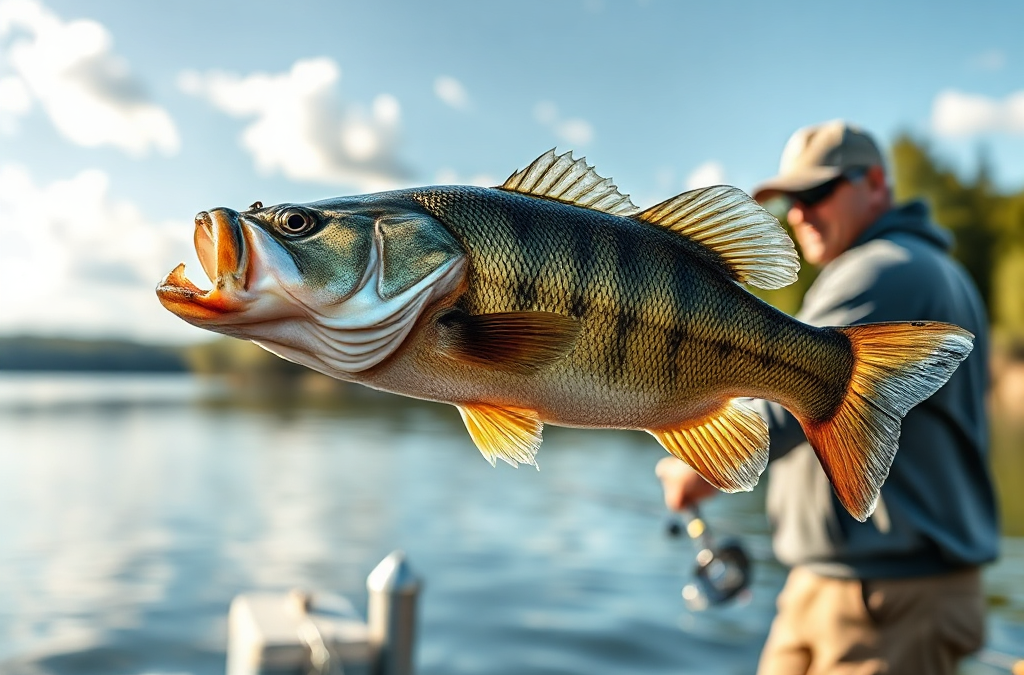
To effectively use scents and attractants for bass, choose products that closely resemble the natural prey in your fishing environment. Apply these scents to your lures, ensuring they are compatible with the type of bait you are using. For example, in colder waters, scents mimicking shad can be more effective, while warmer conditions may call for crawfish scents. Avoid the common mistake of overusing scents, as this can deter rather than attract fish. Instead, focus on a balanced application that enhances the lure's appeal without overwhelming the bass.
Understanding Bass Behavior and Scents
Bass are highly sensitive to their environment, particularly to scents and pheromones that signal the presence of food. Understanding how bass perceive scents can significantly enhance your fishing success. Bass use their sense of smell to locate prey, especially in murky waters where visibility is low. Scents can trigger feeding responses, making them a crucial tool in your fishing strategy.

When bass detect scents, they are more likely to approach and investigate, increasing the chance of a strike. The two primary types of scents are food-based and pheromone-based. Food-based scents mimic natural prey, while pheromones can stimulate social behaviors among fish, such as schooling or aggression.
Choosing the Right Scents and Attractants
Selecting the correct scent or attractant is vital for effective bass fishing. Various options are available, including liquid scents, gels, and infused baits. When choosing a scent, consider the type of bait you are using and the specific conditions of your fishing environment.
For instance, if you’re fishing in a cold water environment, scents that mimic the smell of shad or other prey fish that are active during that time can be more effective. Conversely, during warmer months, scents that resemble crawfish or other bottom-dwelling prey may yield better results.
Experimenting with different scents can help determine what works best under varying conditions. Additionally, many anglers find success with homemade scents, such as garlic or anise oil, which can be applied to lures to enhance their attractiveness.
Application Techniques for Maximum Effectiveness
Applying scents and attractants correctly can significantly impact their effectiveness. Start by applying a small amount of scent to your lures or baits. For soft plastics, dip the tail or body into the scent to ensure it is adequately coated. For hard lures, consider using a spray or gel that can adhere to the surface.
Timing is also crucial. Apply scents shortly before casting to maximize their effectiveness while ensuring they remain potent. In addition, make sure to reapply scents periodically, especially after catching fish or if you notice a decrease in bites. This practice keeps your lures fresh and appealing to bass.
Another technique is to vary the amount of scent used based on the fishing conditions. In clearer waters, a lighter application may be more effective, while murkier waters may benefit from a stronger scent presence.
Common Mistakes and How to Avoid Them
Even experienced anglers can make mistakes when using scents and attractants. One common error is overusing scents, which can overwhelm the fish and deter them from biting. A light application is often more effective than a heavy dose.
Another mistake is mismatching scents with the bait or the fishing environment. Always consider the type of bait you’re using and the natural prey in the area. Using a scent that does not correspond to the local forage can confuse or repel bass.
Lastly, many anglers forget to account for water conditions. Scents that work well in one environment may not be effective in another. Pay attention to factors like temperature, clarity, and current, and adjust your scent strategy accordingly.

Frequently Asked Questions
What types of scents are most effective for bass fishing?
Food-based scents like shad and crawfish are popular, as they mimic natural prey. Pheromone-based attractants can also stimulate aggressive behavior.
How often should I reapply scents while fishing?
Reapply scents every few casts, especially after catching a fish or if you notice a decrease in bites to keep your lures effective.
Can I make my own fishing scents?
Yes, many anglers create effective homemade scents using ingredients like garlic or anise oil, which can be applied to lures.
Does water temperature affect the effectiveness of scents?
Yes, water temperature can influence bass behavior and feeding patterns, so adjust your scent choices accordingly.
What should I avoid when using scents for bass?
Avoid over-applying scents and mismatching them with your bait or local forage, as this can deter fish instead of attracting them.
Further Reading
For more information on scents and attractants, consider exploring the following resources:
Authoritative Sources
- NOAA Fisheries
fisheries.noaa.govThis source provides insights into fish behavior and how environmental factors influence their feeding habits
- Bass Resource
bassresource.comA comprehensive resource for bass fishing tips, including effective use of scents and attractants
- Field & Stream
fieldandstream.comOffers expert advice on fishing techniques, gear reviews, and attractant recommendations
Conclusion
Using scents and attractants effectively can significantly enhance your bass fishing success. Prioritize understanding bass behavior, selecting the right products, and applying them correctly. Avoid common mistakes such as overuse and mismatching scents to your bait. With careful consideration and experimentation, you can increase your chances of landing more bass on your next fishing trip.

