
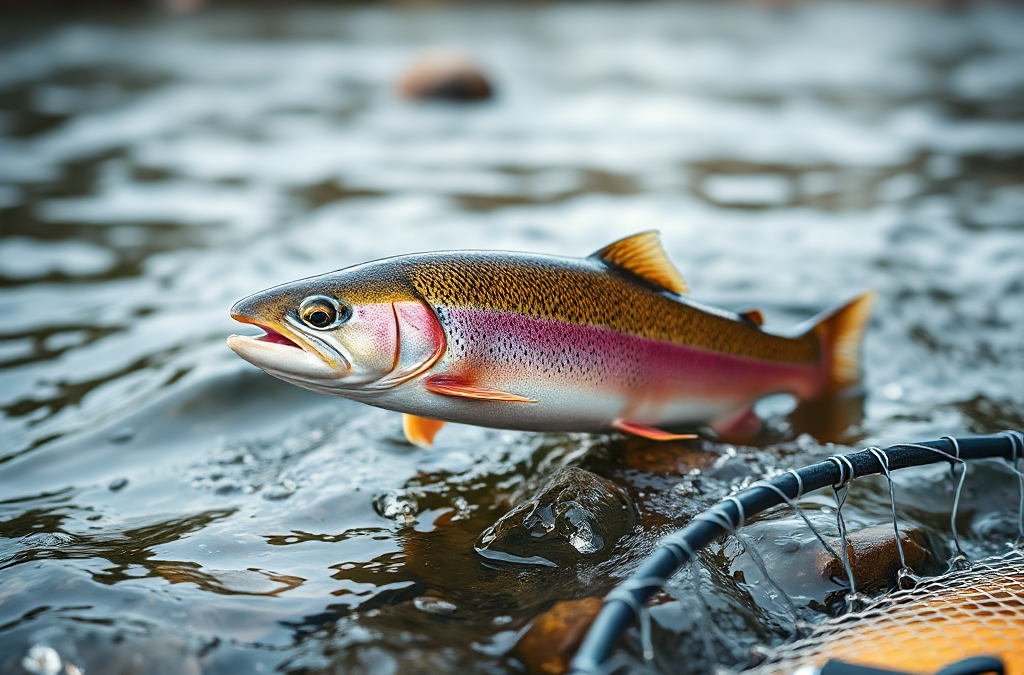
Fishing techniques for catching trout in fast currents involve using specific methods like drift fishing and selecting appropriate gear, such as weighted lines and lures that mimic natural prey. Understanding water flow and trout behavior is crucial, as these fish often seek shelter behind rocks or in eddies. Employing tactics like adjusting your casting angle and using the right bait can significantly improve your chances of a successful catch.
Understanding Trout Behavior in Fast Currents
Trout are well-adapted to fast-moving water, often positioning themselves in areas where they can conserve energy while waiting for food. Understanding their behavior is essential for successful fishing. In fast currents, trout tend to seek shelter behind rocks or in eddies, where the water flow is slower. They are opportunistic feeders, often taking advantage of insects and smaller fish that are swept downstream. Knowing where to look for trout can significantly increase your catch rate.

When fishing in fast currents, it’s important to observe the water’s surface for signs of feeding activity. Look for rising fish or surface disturbances, which indicate that trout are actively feeding. Additionally, the time of day can affect trout behavior; early morning and late evening are often prime times for fishing in fast currents. Understanding these patterns will help you strategize your fishing approach effectively.
Effective Casting Techniques
Mastering your casting technique is vital when fishing for trout in fast currents. The primary goal is to present your bait or lure in a natural manner that mimics the movement of prey. One effective method is the “drift” technique, where you cast upstream and allow your bait to drift downstream with the current. This method takes advantage of the natural flow of water, making your presentation more appealing to trout.
Another technique is to use a sidearm cast to keep your line low to the water’s surface. This reduces drag and allows for a more natural presentation. Additionally, using a longer leader can help your bait or lure stay afloat longer in the current, increasing the chances of attracting trout. Pay attention to the speed of the current and adjust your casting distance accordingly to ensure your bait reaches the desired location.
Essential Gear for Fast Current Fishing
Selecting the right gear is crucial when fishing in fast currents. A medium-action rod is typically preferred as it provides the sensitivity needed to detect bites while also offering enough strength to handle larger trout. Pair your rod with a spinning or baitcasting reel that has a smooth drag system to handle the rapid pulls of fish in strong currents.
Line, a braided line is often the best choice due to its strength and sensitivity. A 10- to 15-pound test line is ideal for fast currents, allowing for better control and hook-setting capabilities. Additionally, using a fluorocarbon leader can help reduce visibility in the water, making it less likely for trout to shy away from your bait.
Bait and Lure Selection
The choice of bait or lure can greatly impact your success when fishing for trout in fast currents. Live bait such as worms, minnows, or salmon eggs can be very effective as they provide a natural presentation. If you prefer lures, consider using spoons, spinners, or crankbaits that mimic the movement of baitfish. These lures can create vibrations and flashes that attract trout in fast-moving water.
When selecting lures, consider their weight and shape. Heavier lures will sink faster and can be more effective in strong currents. Additionally, using brightly colored lures can help catch the attention of trout, especially in murky water. Experimenting with different colors and sizes can help you determine what works best in a particular fishing spot.
Common Mistakes to Avoid
Even experienced anglers can make mistakes when fishing for trout in fast currents. One common error is not adjusting your fishing technique based on the current’s speed. If the current is particularly strong, you may need to use heavier weights or larger lures to maintain control. Another mistake is failing to observe the water for signs of fish activity. Always take a moment to watch for rising fish or other indicators before casting.
Additionally, many anglers overlook the importance of stealth. Fast currents can create noise and vibrations that may alarm trout. Approach your fishing spot quietly and avoid splashing or making sudden movements. Understanding these common pitfalls will enhance your fishing experience and increase your chances of success.
Frequently Asked Questions
What is the best time to fish for trout in fast currents?
The best times to fish for trout in fast currents are typically early morning and late evening when they are most active.
What types of lures work best in fast currents?
Spoons, spinners, and crankbaits that mimic baitfish are effective in fast currents due to their movement and vibrations.
How do I choose the right weight for my line?
Use a heavier weight in strong currents to ensure your bait or lure stays in the strike zone and reaches the trout.
Can I use live bait in fast currents?
Yes, live bait such as worms and minnows can be very effective in fast currents as they provide a natural presentation.
What should I do if I’m not catching any trout?
If you’re not catching any trout, consider changing your location, adjusting your bait or lure, or varying your casting technique.
Further Reading
Authoritative Sources
- U.S. Fish and Wildlife Service
fws.govThis resource provides information on trout species and their habitats, which can help anglers understand where to fish effectively.
- National Wildlife Federation
nwf.orgOffers insights into sustainable fishing practices and maintaining healthy trout populations.
Further Reading
Authoritative Sources
- Library of Congress Research Guides
guides.loc.govResearch guides that help readers locate reliable background sources on a wide range of subjects
- USA.gov Official Information and Services
usa.govOfficial U.S. government information and public resources for practical reference
- Google Scholar
scholar.google.comAcademic search resource for finding research literature and source material
Conclusion
Successfully catching trout in fast currents requires understanding their behavior, employing effective casting techniques, and using the right gear and bait. By paying attention to the water conditions and making necessary adjustments, you can significantly improve your chances of landing a trout. Remember to avoid common mistakes and be adaptable in your approach. With practice and patience, fishing in fast currents can be a rewarding experience.

