
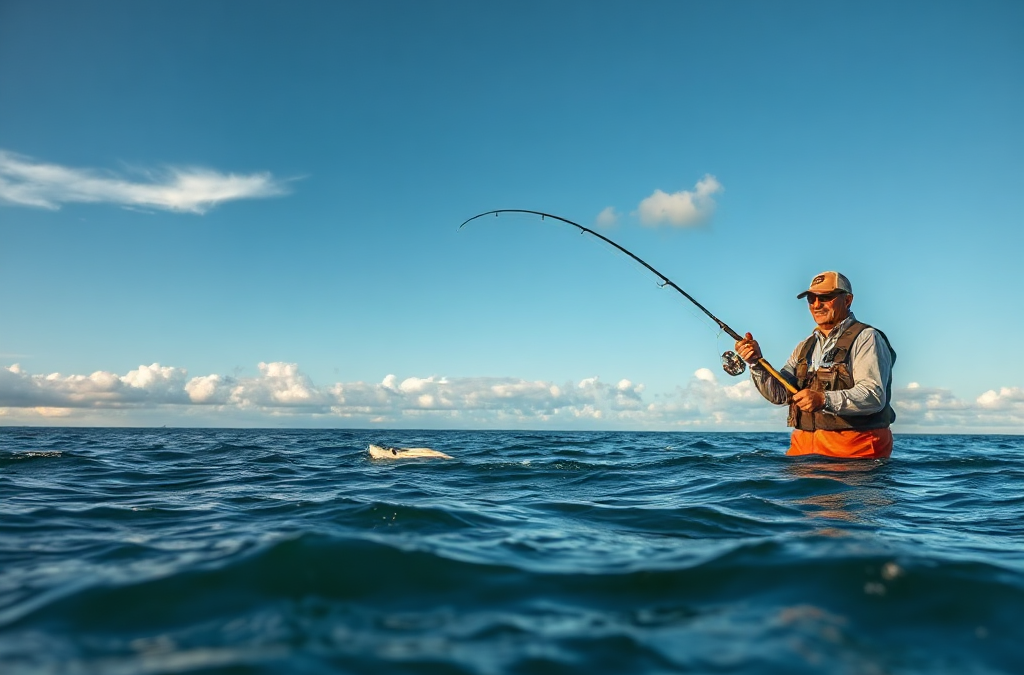
Troubleshooting issues when fishing in crowded areas involves understanding how to navigate competition, select the right bait, and identify optimal fishing times. Key solutions include adjusting your fishing techniques to avoid spooking fish, utilizing unique bait presentations, and targeting less pressured spots within the area. By being strategic and observant, anglers can significantly improve their catch rates even in crowded conditions.
Understanding Crowded Fishing Areas
Crowded fishing areas can present unique challenges for anglers, as competition for fish increases significantly. This environment often leads to fish being more cautious and selective, making it essential for anglers to adapt their strategies. Understanding the dynamics of crowded fishing spots, such as the behavior of both fish and fellow anglers, is crucial for success. For instance, fish may become more skittish due to noise and movement, so being stealthy and observant can give you an edge.

Moreover, crowded areas can lead to overfishing, resulting in fish being more pressured and less likely to bite. Recognizing the types of fishing spots that attract crowds, such as popular lakes, rivers, or coastal areas, allows anglers to prepare and strategize effectively. Consideration of time of day, weather conditions, and local fishing regulations can also factor into how fish behave in these environments.
Adjusting Techniques for Success
When fishing in crowded areas, adjusting your techniques is vital. Standard fishing methods may not yield the desired results due to increased competition. One effective approach is to switch to lighter tackle and smaller hooks, which can help present bait more naturally. This subtlety can often entice wary fish that have become accustomed to larger, more intrusive lures.
Additionally, anglers should consider varying their casting angles and distances. Casting at different angles can help avoid overlapping with other anglers’ lines, reducing the chances of spooking fish. Moreover, using techniques such as drop shotting or finesse fishing can help present baits in a less aggressive manner, making them more appealing to fish in pressured waters.
Another common mistake is to ignore the importance of patience. In crowded areas, fish may take longer to bite, so remaining still and quiet can yield better results than constantly reeling in and casting again. Observing the movements of fish and other anglers can provide valuable insights into where to focus your efforts.
Choosing the Right Bait
Choosing the right bait is crucial when troubleshooting issues in crowded fishing areas. In heavily fished locations, fish may become accustomed to specific baits and lures, making it essential to think outside the box. Live bait, such as worms or minnows, can often be more effective than artificial lures in these situations, as they provide a natural scent and movement that fish find enticing.
Moreover, consider using less common baits or lures that other anglers might overlook. Unique colors, sizes, or types of lures can help differentiate your presentation from the competition. For example, using a bright-colored lure in murky waters or a smaller, more subtle lure can draw attention when larger lures fail.
It’s also beneficial to experiment with different retrieval techniques. Slow and erratic movements can mimic injured prey, triggering a predatory response from fish. By being adaptable and willing to change your approach based on the fish’s behavior and preferences, you can increase your chances of success.
Identifying Optimal Fishing Times
Timing can significantly influence fishing success in crowded areas. Fish are often more active during specific times of the day, typically early morning or late evening. Planning your fishing trips around these peak times can improve your chances of encountering fish that are more willing to bite.
Additionally, consider local factors such as weather conditions and seasonal patterns. For instance, fish tend to feed more actively before a storm or during overcast skies. Understanding these patterns allows anglers to make informed decisions about when to fish and where to focus their efforts.

Finally, don’t overlook the value of observing other anglers. If you notice that certain areas are consistently producing catches, consider adjusting your approach to target those spots. By being aware of the environment and the behavior of both fish and fellow anglers, you can optimize your fishing experience.
Frequently Asked Questions
What are the best times to fish in crowded areas?
Early morning and late evening are typically the best times to fish in crowded areas, as fish are more active during these periods.
How can I avoid spooking fish in crowded waters?
To avoid spooking fish, use lighter tackle, smaller hooks, and practice stealthy casting techniques while remaining patient.
What types of bait work best in crowded fishing areas?
Live bait like worms or minnows often works best, but experimenting with unique lures and colors can also be effective.
How does weather affect fishing in crowded areas?
Weather can impact fish activity; they often feed more actively before storms or during overcast conditions.
What adjustments should I make to my fishing techniques?
Consider using lighter tackle, varying your casting angles, and employing finesse techniques to present baits more naturally.
Further Reading
Authoritative Sources
- Library of Congress Research Guides
guides.loc.govResearch guides that help readers locate reliable background sources on a wide range of subjects
- USA.gov Official Information and Services
usa.govOfficial U.S. government information and public resources for practical reference
- Google Scholar
scholar.google.comAcademic search resource for finding research literature and source material
Conclusion
Successfully troubleshooting issues when fishing in crowded areas requires a combination of understanding fish behavior, adjusting techniques, and selecting the right bait. By being adaptable and observant, anglers can improve their chances of success despite the challenges posed by competition. Remember to consider the time of day, local conditions, and the specific dynamics of your fishing environment to maximize your catch potential.

