
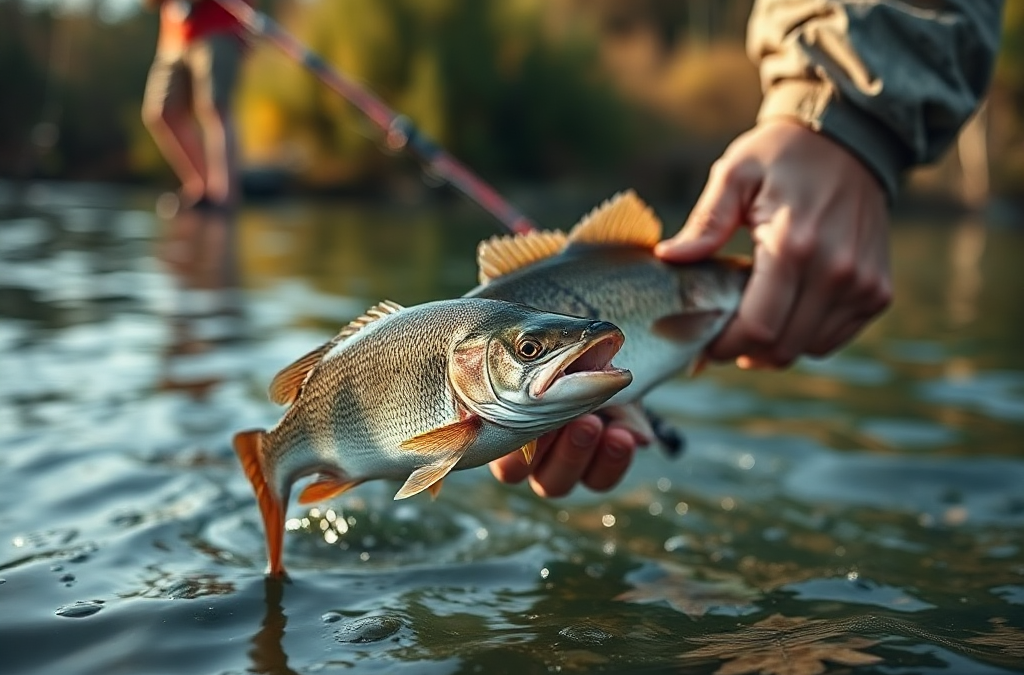
To improve your catch rate with local knowledge, focus on understanding the specific habits and habitats of fish in your area, including their feeding patterns and seasonal behaviors. Utilize local fishing reports and engage with the community for insights on the best times and locations to fish. Additionally, consider environmental factors such as water temperature and weather conditions that can influence fish activity, and be aware of local regulations and conservation practices to ensure sustainable fishing.
Understanding Local Fish Species
To effectively improve your catch rate with local knowledge, it is crucial to understand the specific fish species that inhabit your fishing area. Each species has unique behaviors, feeding habits, and preferred habitats, which can significantly affect your fishing success. For example, certain species like bass may be more active in warmer months and prefer shallow waters, while trout often seek cooler, deeper areas.

Additionally, identifying peak feeding times can enhance your strategy. Many fish species feed more actively during dawn and dusk, making these times ideal for fishing. By familiarizing yourself with the local fish species, you can tailor your approach and increase the likelihood of a successful catch.
One common mistake anglers make is assuming that all fish behave similarly. Understanding the nuances of local species will allow you to choose the right bait, tackle, and techniques that align with their specific preferences. Furthermore, keeping a fishing journal to track your catches can help you identify patterns over time, enhancing your future fishing trips.
Utilizing Local Resources and Reports
Local fishing reports and resources are invaluable for improving your catch rate. These reports often provide insights into current conditions, including water temperature, clarity, and recent catches by other anglers. Websites, social media groups, and local bait shops can be excellent sources of information. Engaging with these resources regularly will keep you informed about the best fishing spots and times.
Moreover, local fishing forums can offer tips on successful bait and tackle choices based on recent experiences shared by fellow anglers. For instance, if a specific lure has been particularly effective recently, you can incorporate that into your strategy. Additionally, don’t hesitate to ask local anglers about their experiences; many are willing to share their insights and tips.
However, it is essential to critically evaluate the information you gather. Not all reports may be accurate or relevant to your specific fishing conditions. Always consider cross-referencing multiple sources to get a well-rounded understanding of the current fishing landscape.
Environmental Factors Impacting Fishing
Environmental factors play a significant role in determining fishing success. Water temperature, weather conditions, and seasonal changes can all influence fish behavior. For instance, warmer water temperatures may increase fish metabolism, leading to more aggressive feeding, while colder temperatures can slow them down.
Understanding how weather impacts fishing can also guide your trips. For example, overcast days often lead to better fishing conditions as fish feel less exposed and are more likely to venture into shallower waters. Wind can also affect bait presentation and fish behavior, making it a critical factor to consider.
One common misconception is that fishing is only about the bait and tackle; environmental awareness is equally important. Monitoring local weather forecasts and water conditions can give you a strategic advantage, allowing you to plan your trips when conditions are most favorable for fishing.
Building Relationships in the Local Fishing Community
Connecting with the local fishing community is an excellent way to enhance your fishing knowledge and improve your catch rate. Local anglers often have a wealth of experience and insights that can be invaluable to newcomers. Participating in community events, fishing clubs, or online forums can facilitate these connections.
By sharing experiences and tips, you can learn about lesser-known fishing spots, effective techniques, and the best times to fish in your area. Additionally, building relationships with local guides can provide access to specialized knowledge about local waters and species.

However, it’s essential to approach these relationships respectfully. Always acknowledge the expertise of seasoned anglers and be open to learning. Over time, as you build rapport, you may find that others are willing to share their top-secret spots or techniques, further enhancing your fishing success.
Frequently Asked Questions
What is the best time to fish in my local area?
The best time to fish varies by species and season, but generally, early mornings and late afternoons are ideal due to increased fish activity.
How can I find local fishing reports?
You can find local fishing reports through online fishing forums, social media groups, and bait shops that often share recent catch information and conditions.
What are the most common mistakes anglers make?
Common mistakes include not adapting to local species' behaviors, using ineffective bait, and ignoring environmental conditions that affect fish activity.
How important is it to understand local regulations?
Understanding local regulations is crucial for sustainable fishing and avoiding fines; regulations often dictate catch limits, seasons, and protected areas.
Can joining a fishing community improve my skills?
Yes, joining a fishing community allows you to learn from experienced anglers, share tips, and gain insights into local fishing conditions and techniques.
Further Reading
Authoritative Sources
- Library of Congress Research Guides
guides.loc.govResearch guides that help readers locate reliable background sources on a wide range of subjects
- USA.gov Official Information and Services
usa.govOfficial U.S. government information and public resources for practical reference
- Google Scholar
scholar.google.comAcademic search resource for finding research literature and source material
Conclusion
Improving your catch rate with local knowledge involves a multifaceted approach that encompasses understanding fish species, utilizing local resources, recognizing environmental factors, and building community relationships. By actively engaging with your local fishing environment and community, you can enhance your skills and fishing success over time. Prioritize gathering information, staying adaptable, and respecting local regulations to ensure a fulfilling fishing experience.

