
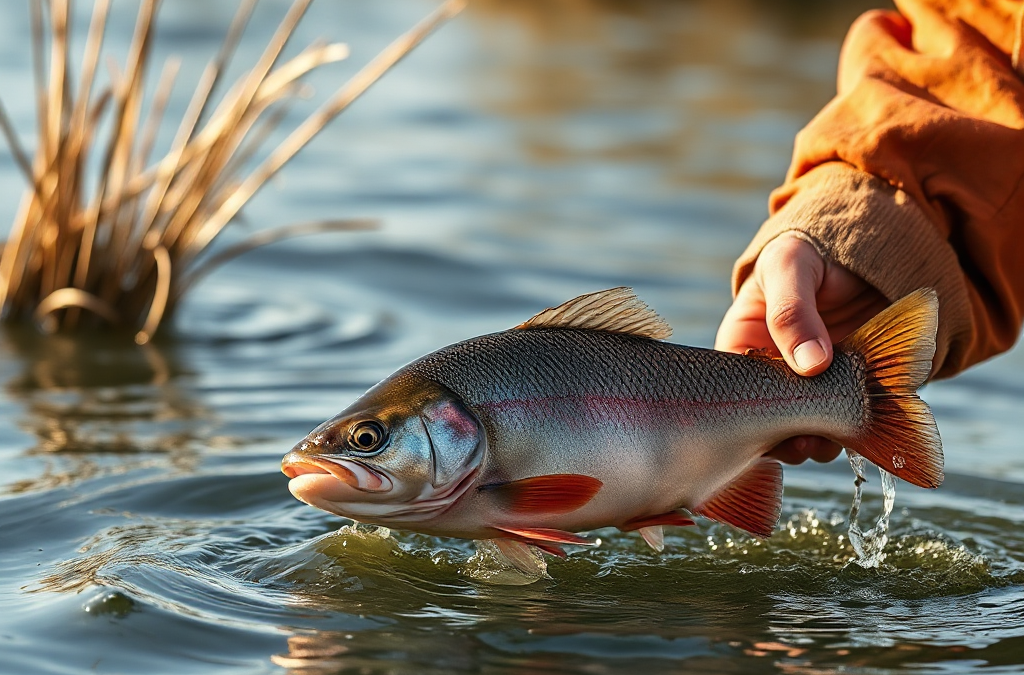
To read fish behavior in different conditions, focus on environmental factors like water temperature, light levels, and weather patterns. Fish are generally more active in warmer waters, particularly between 75°F and 85°F, and during low-light periods such as dawn and dusk. Sudden weather changes, like storms, can drive fish to seek shelter, making them less likely to bite. By adjusting your fishing techniques, such as using slower lures after temperature drops or targeting shallower areas during low light, you can significantly improve your chances of a successful catch. Monitoring these indicators will help you fish more effectively throughout the seasons.
Understanding Water Temperature Effects
Water temperature plays a crucial role in fish behavior and activity levels. Generally, fish are cold-blooded, meaning their body temperature is regulated by the surrounding water. As temperatures rise, fish metabolism increases, leading to higher activity levels, especially during warmer months. Conversely, in colder waters, fish tend to become lethargic and may seek deeper areas for warmth.

For example, bass are often more active when water temperatures range between 75°F and 85°F, making them likely to feed aggressively during this time. In contrast, temperatures below 60°F can cause bass to slow down significantly. Anglers should monitor local temperature trends to optimize their fishing times, as targeting fish during their peak activity hours can enhance catch rates.
It is important to note that temperature changes can also affect fish behavior beyond mere activity levels. Sudden drops in temperature, such as after a heavy rain, can lead fish to become more cautious and less willing to bite. Recognizing these patterns can help anglers adjust their techniques accordingly, such as using slower presentations or targeting specific structures where fish may seek refuge.
The Role of Light in Fish Behavior
Light conditions significantly influence fish behavior. Fish are often more active during dawn and dusk, which are known as the “golden hours” for fishing. During these times, low light levels encourage fish to venture into shallower waters to feed. Additionally, light penetration can affect the visibility of bait and lure presentations, making it essential to adapt fishing techniques accordingly.
For instance, during bright sunny days, fish may retreat to deeper waters or seek cover among structures like rocks and vegetation to avoid direct light. As a result, fishing success may require using more natural-colored lures that mimic the prey fish in these conditions. On the other hand, cloudy or overcast days can provide excellent fishing opportunities, as fish feel more comfortable to roam and feed actively.
Understanding the interplay between light and fish behavior also extends to artificial light. Night fishing can be particularly effective when using lights to attract bait fish, which in turn draw larger predatory fish. Employing techniques that take advantage of light conditions can lead to a more successful fishing experience.
Weather Conditions and Their Impact
Weather conditions can dramatically affect fish behavior and feeding patterns. For example, before a storm, fish often become more active as they sense the changes in barometric pressure. This can lead to a feeding frenzy as fish prepare for the impending weather changes. Anglers may find success by fishing during this pre-storm period, as fish are likely to be more aggressive.
Conversely, during and immediately after a storm, fishing can become challenging. Heavy rain and increased wind can muddy the water and reduce visibility, causing fish to seek shelter. In these conditions, it may be more effective to target calmer areas or use lures that create more vibrations or noise to attract fish.
Furthermore, strong winds can affect surface currents and water temperature, influencing where fish choose to congregate. Observing wind direction and intensity can help anglers identify productive fishing spots, such as areas where wind-driven currents bring in food sources.
Seasonal Changes and Fish Activity
Seasonal changes have a profound impact on fish behavior, influencing their spawning, feeding, and migration patterns. In spring, as water temperatures begin to rise, many fish species enter their spawning season, leading to increased activity near shallows. This is an excellent time for anglers to target nesting fish.
Summer brings warmer temperatures that often lead fish to seek cooler, deeper waters during the hottest parts of the day. Anglers should focus on early morning and late evening fishing during this season. In fall, fish begin to feed aggressively in preparation for winter, often leading to excellent fishing opportunities.

Winter presents unique challenges, as many fish become less active in colder temperatures. However, ice fishing can be successful if anglers know where to find fish and what techniques to use. Understanding seasonal patterns can help anglers plan their trips effectively and improve their chances of success.
Frequently Asked Questions
How does water temperature affect fish behavior?
Warmer water temperatures generally increase fish metabolism and activity levels, making them more aggressive feeders, while colder temperatures can slow them down.
What time of day is best for fishing?
Dawn and dusk are often considered the best times for fishing due to lower light levels, which encourage fish to feed actively.
How do weather conditions influence fishing?
Weather can impact fish behavior significantly; for example, fish often feed more aggressively before storms and may seek shelter during heavy rain.
What seasonal changes should anglers be aware of?
Seasonal changes affect fish spawning, feeding, and migration patterns, making it essential for anglers to adjust their strategies accordingly.
How does light impact fish activity?
Fish tend to be more active during low-light conditions, such as dawn and dusk, while bright sunlight can push them to deeper waters or structures.
Further Reading
For those looking to deepen their understanding of fish behavior across various conditions, several resources are available:
Authoritative Sources
- NOAA Fisheries
fisheries.noaa.govA comprehensive resource for understanding fish species, their habitats, and behavior
- The Wildlife Society
fishwildlife.orgOffers insights into wildlife management and fish behavior research
Conclusion
Understanding how to read fish behavior in different conditions is essential for improving your fishing success. By paying attention to water temperature, light levels, weather changes, and seasonal patterns, anglers can adapt their strategies to align with fish activity. Prioritizing these factors not only enhances the fishing experience but also increases the chances of a successful catch.

