
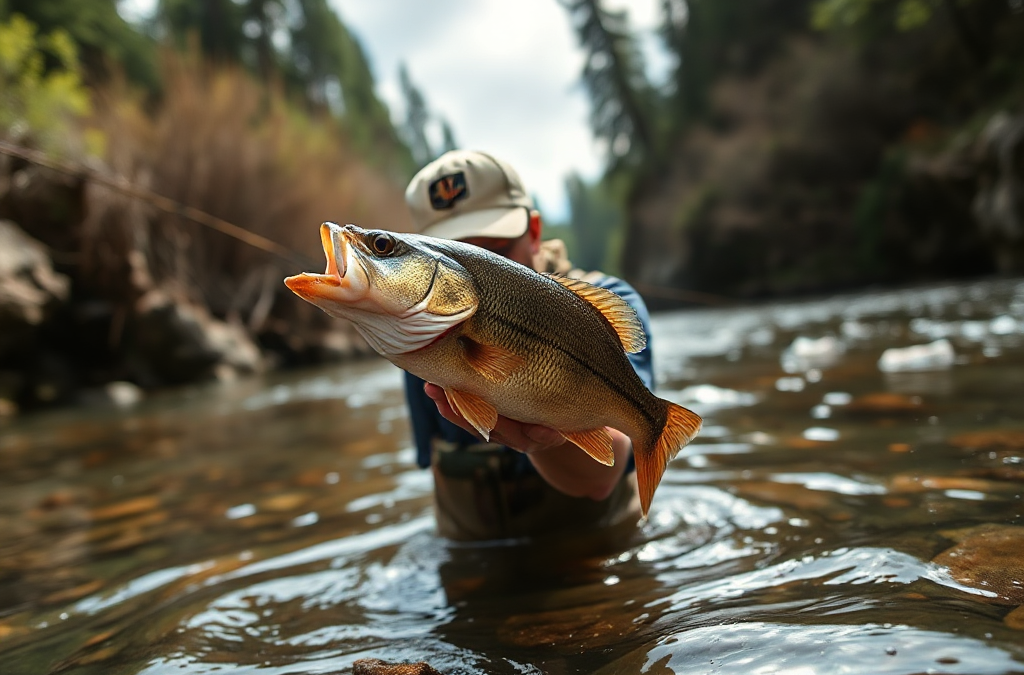
Common mistakes when targeting bass in rivers include neglecting water conditions, using the wrong lures, and failing to adapt to seasonal changes. Many anglers overlook the importance of understanding river currents and habitat structures, which influence bass behavior. Additionally, using inappropriate gear can lead to missed opportunities. Awareness of these factors can significantly improve your fishing success in river environments.
Understanding River Dynamics
Grasping the dynamics of river environments is crucial for successful bass fishing. Rivers are not static; they are influenced by various factors such as current flow, temperature, and seasonal variations. These dynamics affect where bass choose to inhabit and feed. For instance, bass often seek out areas with slower currents or eddies where they can conserve energy while ambushing prey. Anglers who fail to account for these factors may find themselves fishing in unproductive areas.

One common error is fishing in the same spots without considering changes in water levels or flow patterns. Bass may relocate based on these changes, so it’s essential to be aware of the river’s current state. Understanding how to read water conditions, such as clarity and temperature, can greatly enhance your chances of finding bass. Always monitor the water level and flow rate, as these can shift quickly, especially after rain or seasonal changes.
Choosing the Right Gear
Using the appropriate gear is another critical aspect that can make or break your fishing experience. Many anglers underestimate the importance of selecting the right rod, reel, and line for river fishing. A common mistake is using gear designed for still water, which may not perform well in flowing conditions. For example, a lighter rod may struggle against the current when trying to reel in a larger bass.
To effectively target bass in rivers, opt for a medium to heavy rod that can handle the current and the weight of the fish. Additionally, braided line is often preferred due to its strength and sensitivity, allowing you to detect subtle bites even in turbulent waters. Ensure your reel has a smooth drag system to prevent breaking the line when a fish makes a sudden run. By tailoring your gear to the river environment, you can improve your overall fishing success.
Effective Lure Selection
Selecting the right lures is essential when targeting bass in rivers. A frequent mistake is using lures that are either too large or too small for the local forage. Bass are more likely to bite lures that resemble their natural prey, which can vary widely depending on the river ecosystem. For instance, if the river is home to smaller baitfish, using larger lures may prove ineffective.
Consider using a variety of lures, such as crankbaits, spinnerbaits, and soft plastics, to determine what works best in a given situation. Pay attention to the water’s clarity; in murky waters, bright or noisy lures may attract more attention. Conversely, in clear conditions, subtle colors and finesse techniques can yield better results. Experimenting with different lures and techniques can help you discover what bass are actively feeding on in your target river.
Adapting to Seasonal Changes
Seasonal changes significantly impact bass behavior and habitat. One common mistake anglers make is failing to adjust their strategies as the seasons change. For example, during spring, bass move into shallower waters to spawn, while in summer, they may retreat to cooler, deeper areas. Understanding these patterns can help you target bass more effectively throughout the year.
In the fall, bass will often feed aggressively to prepare for winter, making this an excellent time for anglers to take advantage of their heightened activity. Using larger lures that mimic the baitfish they are feeding on during this time can increase your success. During winter, bass slow down and become less active, requiring anglers to use slower presentations and deeper locations. By adapting your approach to align with the seasonal patterns of bass, you can significantly enhance your fishing outcomes.
Frequently Asked Questions
What are the best times to fish for bass in rivers?
The best times to fish for bass in rivers are typically early morning and late afternoon, especially during warmer months when bass are most active.
How does water temperature affect bass behavior?
Water temperature affects bass metabolism and feeding habits; warmer temperatures generally increase activity levels, while colder temperatures slow them down.
What type of lures are most effective for river bass?
Effective lures for river bass include crankbaits, spinnerbaits, and jigs, tailored to mimic local forage and adapted to water clarity.
How can I identify the best fishing spots in rivers?
Look for structures like rocks, fallen trees, and eddies where bass are likely to hide and ambush prey, especially in areas with slower currents.
What mistakes should I avoid when fishing in rivers?
Avoid using inappropriate gear, neglecting seasonal patterns, and fishing in unproductive spots without adapting to current conditions.
Further Reading
Authoritative Sources
- Library of Congress Research Guides
guides.loc.govResearch guides that help readers locate reliable background sources on a wide range of subjects
- USA.gov Official Information and Services
usa.govOfficial U.S. government information and public resources for practical reference
- Google Scholar
scholar.google.comAcademic search resource for finding research literature and source material
Conclusion
Targeting bass in rivers requires understanding the unique dynamics of flowing waters, selecting appropriate gear, and adapting techniques to seasonal changes. By avoiding common mistakes such as neglecting water conditions and using the wrong lures, anglers can significantly improve their chances of success. Focus on learning the river’s patterns and behaviors, and always be willing to adjust your approach based on current conditions. With practice and attention to detail, you can enhance your river fishing experience and enjoy greater success on your trips.

