
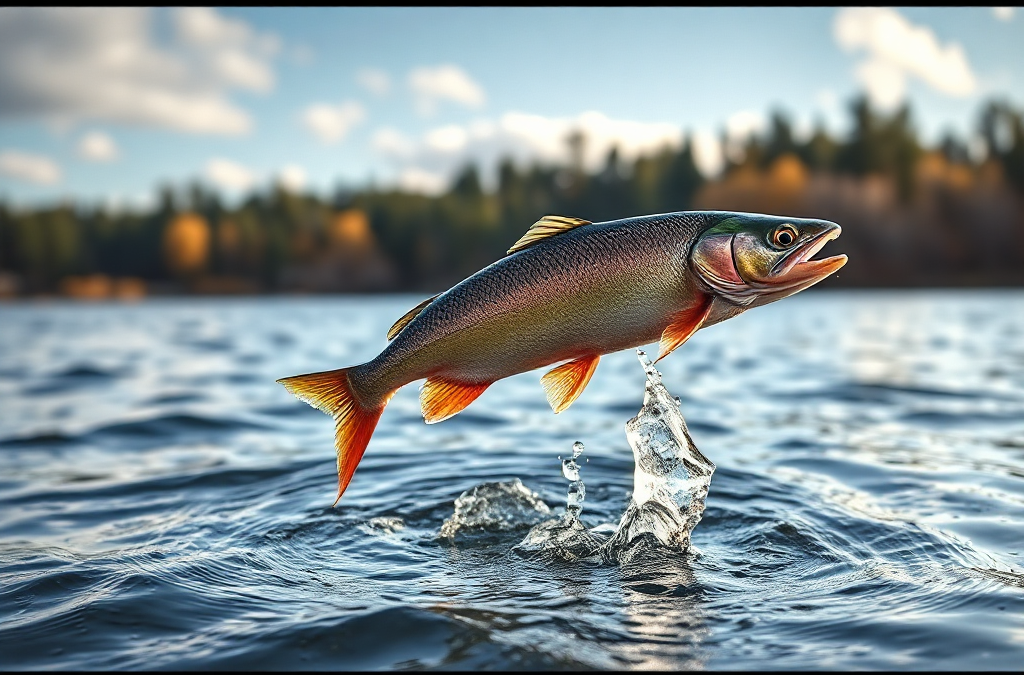
To adapt fishing techniques for changing seasons, anglers should adjust their bait choices, fishing locations, and timing. As water temperatures fluctuate, fish behavior changes, influencing their feeding habits. For instance, during warmer months, fish tend to be more active and closer to the surface, while in colder seasons, they often move to deeper waters. Understanding these seasonal shifts is crucial for maximizing catch rates and ensuring a successful fishing experience.
Understanding Seasonal Changes in Fish Behavior
Fish behavior is significantly influenced by seasonal changes, which affect their feeding patterns, migration routes, and habitat preferences. As the seasons shift, water temperatures fluctuate, impacting the metabolism and activity levels of fish. For instance, during spring, rising temperatures signal fish to spawn, leading to increased feeding activity. Conversely, in winter, many species become lethargic and retreat to deeper waters where temperatures are more stable. Recognizing these patterns is essential for anglers aiming to improve their success rates.

Additionally, different species react uniquely to seasonal changes. For example, bass may be found in shallow waters during spring as they prepare to spawn, while in fall, they often migrate to deeper areas in search of cooler temperatures. Understanding these behavioral shifts helps anglers select the most effective techniques and strategies for each season. A common mistake is assuming that fish will behave the same way year-round, which can lead to frustration and poor catch rates.
Adapting Bait and Lures for Different Seasons
The type of bait and lures used is crucial for adapting fishing techniques across seasons. In warmer months, fish are generally more aggressive and willing to chase after faster-moving lures. For example, topwater lures or spinnerbaits can be highly effective in summer. However, as temperatures drop in fall and winter, fish may become more cautious and prefer slower presentations. During these colder months, using jigs or live bait can increase success as they mimic the natural movement of prey.
Another important consideration is the color and size of the bait. In murky waters, brighter colors may attract fish better, while in clear conditions, more natural hues can be more effective. Adjusting the size of lures is also essential; smaller baits can be more enticing during colder months when fish are less active and prefer smaller prey. A common oversight is not varying bait types and sizes according to seasonal conditions, which can lead to missed opportunities.
Selecting the Right Fishing Locations Throughout the Year
Choosing the right fishing location is key to adapting techniques for changing seasons. In spring, shallow areas near spawning grounds are ideal for targeting species like bass and pike. As summer progresses and water temperatures rise, fish often seek cooler, deeper waters or shaded areas, making lakeside structures or drop-offs prime fishing spots.
In fall, fish begin to feed heavily in preparation for winter, often congregating near bait fish schools. Knowing where to find these schools can lead to successful catches. During winter, ice fishing becomes popular, and anglers must focus on deeper waters where fish are more likely to be found. A frequent mistake is not scouting out seasonal hotspots, which can result in wasted time and effort.
Timing Your Fishing Trips for Optimal Success
Timing is another critical factor in adapting fishing techniques for seasonal changes. Early mornings and late afternoons are typically the best times to fish, as many species are more active during these periods. In spring and summer, the warmer temperatures lead to increased fish activity, while in fall and winter, fish often bite more readily during warmer midday hours.
Additionally, weather conditions play a significant role. Overcast days can lead to better fishing opportunities as fish are less wary and more likely to venture out. Conversely, bright sunny days may drive fish into deeper waters. Anglers often overlook the impact of weather on fish behavior, leading to poor planning and unproductive trips. Understanding these timing nuances can greatly enhance fishing success.

Frequently Asked Questions
What is the best time of year to fish?
The best time to fish often varies by species, but generally, spring and fall are considered optimal due to fish activity levels.
How does water temperature affect fish behavior?
Water temperature impacts fish metabolism; warmer temperatures increase activity, while colder temperatures can lead to lethargy.
What types of bait work best in colder months?
In colder months, live bait or slow-moving jigs tend to be more effective as fish are less aggressive and prefer smaller prey.
Do all fish species react the same to seasonal changes?
No, different species have unique behaviors and preferences, affecting where and how they can be caught throughout the year.
How can I effectively scout fishing locations?
Using local fishing reports, maps, and scouting trips can help identify seasonal hotspots for various fish species.
Conclusion
Successfully adapting fishing techniques for changing seasons requires understanding fish behavior, adjusting bait choices, selecting appropriate locations, and timing trips effectively. By recognizing the seasonal patterns of fish and making strategic adjustments, anglers can significantly increase their chances of a successful catch. Whether it’s switching to live bait in winter or targeting shallow areas in spring, being proactive and informed will enhance the overall fishing experience.

