
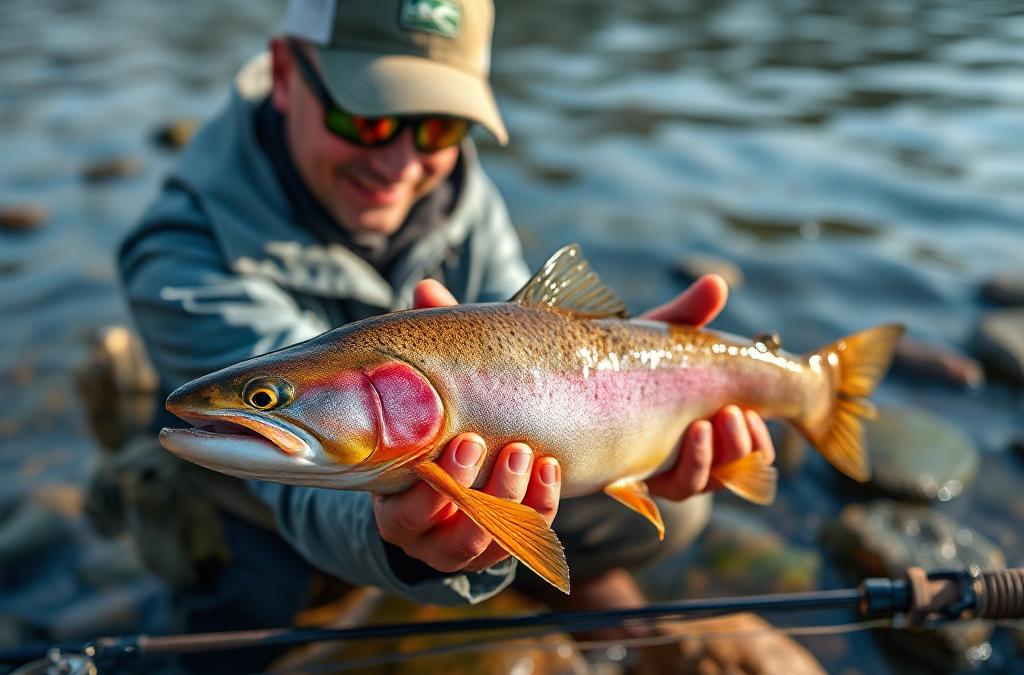
Fishing strategies for catching wary trout involve using stealthy approaches, natural baits, and precise presentations to entice these cautious fish. Key techniques include using light tackle to avoid detection, selecting the right bait like worms or small minnows, and employing slow, deliberate movements to mimic natural prey. Additionally, understanding the trout's behavior, such as their feeding patterns and preferred habitats, can significantly increase your chances of success.
Understanding Wary Trout Behavior
Wary trout are notorious for their cautious nature, making them challenging to catch. Their behavior is influenced by various factors, including water temperature, clarity, and the presence of predators. Understanding these elements can help anglers tailor their approaches effectively. For instance, trout often seek shelter in deeper waters or under cover like rocks and vegetation during the day, becoming more active during dawn and dusk. Recognizing these patterns is crucial for successful fishing.

Moreover, trout can be spooked easily by sudden movements, loud noises, or shadows cast on the water. This sensitivity requires anglers to adopt a stealthy approach. Techniques such as fishing from a distance, using polarized sunglasses to reduce glare, and approaching the water quietly can significantly improve your chances of success. In essence, adapting to the wary nature of trout involves a combination of understanding their environment and minimizing your presence.
Selecting the Right Gear
The gear you choose plays a vital role in your success when targeting wary trout. Light tackle is generally more effective, as it allows for subtle presentations that won’t intimidate these cautious fish. A rod with a medium to light action paired with a spinning reel is often ideal, as it provides the sensitivity needed to detect bites while allowing for accurate casting.
Line selection is equally important; a lighter monofilament or fluorocarbon line can make a significant difference. Fluorocarbon, in particular, is nearly invisible underwater, which can prevent wary trout from being spooked. Consider using a line with a test strength between 4 to 8 pounds to maintain a balance between strength and stealth.
Bait and Lure Choices
Choosing the right bait or lure is essential when fishing for wary trout. Natural baits such as worms, minnows, or insects tend to be more effective than artificial lures in enticing these fish. For instance, live worms can be presented on a hook with minimal disturbance to the water, making them an appealing option for trout.
Lures, smaller sizes and more natural colors are typically more effective. Spinners and spoons that mimic the movements of small fish or insects can be particularly enticing. Additionally, using a slow retrieve can help imitate the natural movement of prey, increasing the likelihood of a strike. Experimenting with different baits and lures can help you determine what works best in your specific fishing location.
Techniques for Successful Fishing
To effectively catch wary trout, it’s crucial to employ specific fishing techniques. One of the most effective methods is to use a technique known as “drift fishing.” This involves allowing your bait to drift naturally with the current, mimicking the movement of natural prey. This technique is particularly effective in streams or rivers where trout are likely to be positioned.
Another effective strategy is to practice “sight fishing,” where you visually locate trout before casting. This requires patience and keen observation, as you need to identify their positions and cast your bait accurately without spooking them. Additionally, utilizing stealthy movements and casting from a distance can help maintain a low profile.
Finally, consider the time of day when fishing for wary trout. Early mornings and late afternoons are often the best times, as trout tend to be more active during these periods. Being mindful of these conditions can increase your chances of success.

Frequently Asked Questions
What are the best times to fish for wary trout?
Early mornings and late afternoons are typically the best times to fish for wary trout, as they are more active during these periods.
What type of bait works best for wary trout?
Natural baits like worms, minnows, and insects are often more effective than artificial lures for catching wary trout.
How can I avoid spooking wary trout?
To avoid spooking wary trout, approach quietly, use light tackle, and cast from a distance to minimize disturbances.
What gear should I use for catching wary trout?
Light tackle, including a medium to light action rod and a 4 to 8-pound test line, is typically ideal for catching wary trout.
How important is water clarity when fishing for trout?
Water clarity is crucial, as trout are more cautious in clear water. Adjust your approach and bait selection accordingly.
Further Reading
Authoritative Sources
- Library of Congress Research Guides
guides.loc.govResearch guides that help readers locate reliable background sources on a wide range of subjects
- USA.gov Official Information and Services
usa.govOfficial U.S. government information and public resources for practical reference
- Google Scholar
scholar.google.comAcademic search resource for finding research literature and source material
Conclusion
Successfully catching wary trout requires a deep understanding of their behavior, the right gear, and effective fishing techniques. By employing stealthy approaches, selecting appropriate baits, and fishing during optimal times, you can significantly increase your chances of success. Remember to adapt your strategies based on environmental conditions and the specific trout population in your area for the best results.

