
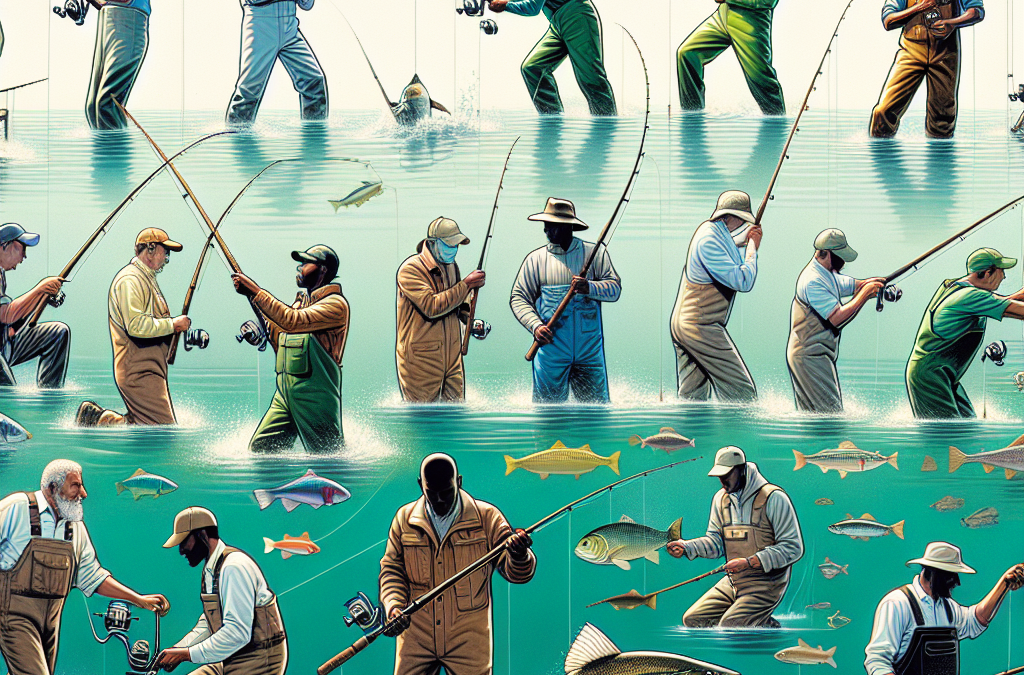
Fishing alone presents several safety concerns, including the risk of accidents, sudden weather changes, and wildlife encounters. To enhance your safety, always inform someone of your fishing location and expected return time. Carry essential gear such as a first aid kit and a personal flotation device, especially if you're near deep water. Additionally, consider using a whistle or personal locator beacon to signal for help in emergencies. By being prepared and aware of your surroundings, you can significantly reduce risks and enjoy a safer fishing experience.
Understanding the Risks of Solo Fishing
Fishing alone can be a peaceful and rewarding experience, but it also comes with inherent risks that anglers must recognize. The primary concerns include the possibility of accidents, such as slips or falls, which can occur near water or uneven terrain. Moreover, if an injury occurs, the absence of immediate assistance can exacerbate the situation.

Another significant risk is the potential for sudden weather changes. Conditions can shift rapidly, especially in remote areas, leading to dangerous scenarios such as storms or sudden temperature drops. Understanding these risks allows anglers to take proactive measures and enjoy their fishing trips safely.
Essential Safety Gear for Solo Fishing
Having the right safety gear is crucial when fishing alone. A well-stocked first aid kit should be your first priority; it should include bandages, antiseptics, and any personal medications. Additionally, personal flotation devices (PFDs) are essential for safety, especially when fishing from a boat or near deep waters.
In addition to a first aid kit and PFD, consider carrying a whistle or personal locator beacon (PLB). These devices can help signal for help in case of an emergency. A multi-tool or knife is also recommended for various tasks, from cutting fishing lines to performing first aid. Preparing your gear thoughtfully can significantly enhance your safety while fishing alone.
Emergency Preparedness and Communication
Before setting out on a solo fishing trip, it’s vital to establish an emergency plan. Inform a trusted friend or family member of your fishing location and expected return time. This way, if something goes wrong, someone will know to look for you.
Consider carrying a fully charged mobile phone or a satellite phone if you will be in an area with poor cell reception. Apps that provide GPS tracking can also be useful. In the event of an emergency, being able to communicate your location can save valuable time and potentially your life. Always plan for the unexpected by being prepared and informed.
Environmental Awareness and Wildlife Safety
Environmental awareness is crucial when fishing alone. Be mindful of the local wildlife, as encounters with animals like bears or snakes can pose significant risks. Familiarize yourself with the types of wildlife in the area and learn how to respond appropriately should you encounter them.
Additionally, understanding the water conditions and potential hazards, such as swift currents or submerged obstacles, is vital. Always assess the fishing spot’s safety before casting your line. By respecting the environment and being aware of potential dangers, you can minimize risks and enjoy a more secure fishing experience.
For more information on safety concerns while fishing alone, consider checking local fishing regulations and safety guidelines from recognized authorities. Resources like the California Department of Fish and Wildlife offer valuable insights on fishing safety and regulations tailored to various regions.

Frequently Asked Questions
What should I do if I get injured while fishing alone?
If you sustain an injury while fishing alone, assess the severity first. If it's serious, try to contact emergency services using your mobile phone or emergency beacon. If the situation allows, apply first aid using your kit and attempt to reach a safe location.
How can I prevent wildlife encounters while fishing alone?
To prevent wildlife encounters, make noise while moving through the area to alert animals of your presence. Additionally, store food securely and avoid fishing in areas known for high wildlife activity during peak times.
What equipment is essential for fishing alone?
Essential equipment includes a first aid kit, personal flotation device, communication device (like a mobile phone or satellite phone), and a multi-tool. These items can significantly enhance your safety and preparedness.
How can I stay safe from sudden weather changes?
To stay safe from sudden weather changes, always check the weather forecast before your trip and monitor conditions while out. Having a weather radio or app can help you stay informed about any impending changes.
Is it safe to fish alone at night?
Fishing alone at night can be risky due to reduced visibility and the potential for wildlife encounters. If you choose to fish at night, ensure you have adequate lighting, inform someone of your plans, and stay in familiar areas.
Conclusion
Fishing alone can be a fulfilling activity, but it requires careful planning and awareness of potential risks. Prioritize your safety by preparing adequately with the right gear, informing someone of your whereabouts, and understanding the environmental conditions. By taking these precautions, you can enjoy your fishing experience while minimizing risks and ensuring a safe outing.
Further Reading
Authoritative Sources
- Library of Congress Research Guides
guides.loc.govResearch guides that help readers locate reliable background sources on a wide range of subjects.
- USA.gov Official Information and Services
usa.govOfficial U.S. government information and public resources for practical reference.
- Google Scholar
scholar.google.comAcademic search resource for finding research literature and source material.

