
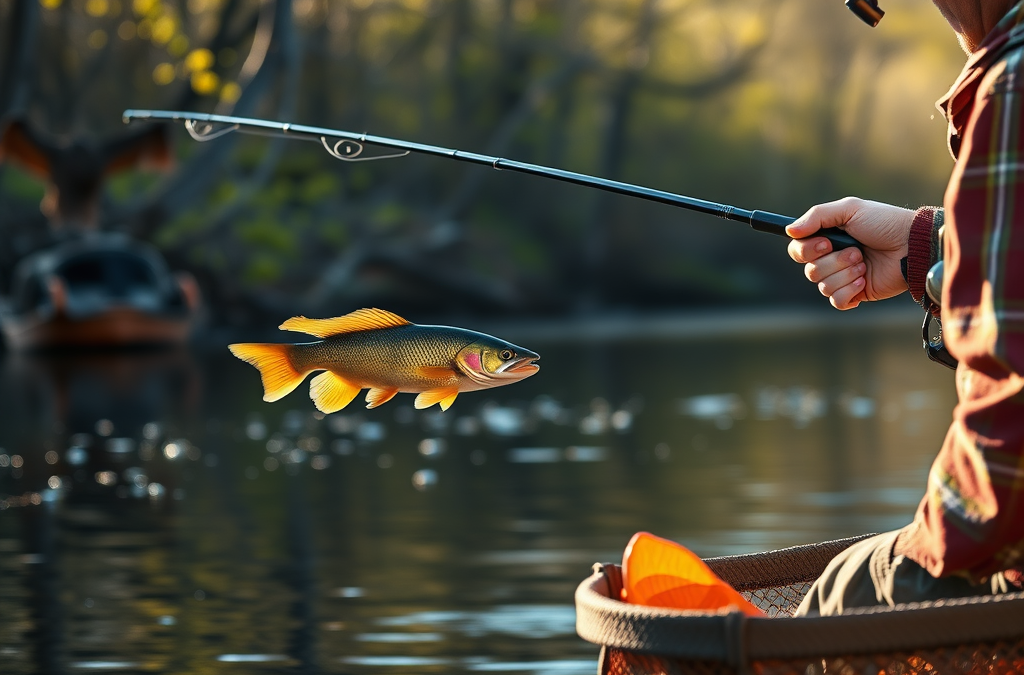
Spring fishing success hinges on understanding fish behavior and selecting the right bait. As temperatures rise, fish like bass and crappie move to shallower waters to spawn, making these areas prime fishing spots. Employ live bait such as worms or minnows, which are effective as they mimic natural food sources. Additionally, consider using brightly colored lures in murky waters to attract fish. Timing your fishing trips during early morning or late evening can also significantly improve your chances of a successful catch.

Understanding Spring Fish Behavior
As temperatures rise in spring, fish become more active and start moving towards shallower waters for spawning. This behavioral change is crucial for anglers to recognize, as it directly affects where to find fish. During this period, species like bass, crappie, and trout are more likely to be found in warmer shallows, making it essential to adjust your fishing locations accordingly.
Understanding the specific habits of different fish species during spring is key. For example, bass typically look for nesting sites in shallow areas, while crappie may gather near structures like submerged logs or rocks. Targeting these specific locations can significantly increase your chances of a successful catch.
Choosing the Right Bait
The choice of bait can make or break your spring fishing success. During this season, live bait such as worms, minnows, or shiners are often the most effective. These options mimic the natural food sources that fish are seeking as they prepare to spawn. Additionally, artificial lures that resemble baitfish or insects can also be effective, especially in clear water conditions.
When selecting bait, consider the type of fish you are targeting and their feeding habits. For instance, using brightly colored lures can attract attention in murky waters, while more natural hues work better in clear conditions. Experimenting with different baits and observing what the fish respond to can lead to better results.
Effective Fishing Techniques
Adopting the right techniques is crucial during spring fishing. One effective method is to use a slow retrieval for lures, as fish may be more cautious in warmer waters. Techniques such as drop shotting or using a jig can entice fish that are less active. Additionally, casting near structures like fallen trees or rocks can yield better results, as these are often prime locations for fish to hide.
Another technique to consider is fishing during overcast days, which can lead to increased activity among fish. On sunny days, fish may retreat to deeper waters, making it harder to catch them. Adjusting your strategies based on weather conditions can improve your success rates.
Timing Your Fishing Trips
The timing of your fishing trips can significantly influence your success. Early mornings and late evenings are often the best times to fish in spring, as temperatures are cooler, and fish are more active. Additionally, planning your trips around lunar phases can also be beneficial; many anglers believe that fish feed more actively during certain moon phases.
Monitoring weather patterns is essential as well. A sudden drop in temperature can slow down fish activity, while stable weather often leads to better fishing conditions. Keeping track of these variables will help you optimize your fishing schedule for maximum effectiveness.
Frequently Asked Questions
What is the best bait for spring fishing?
Live bait such as worms and minnows is often the most effective in spring, as it mimics natural food sources that fish seek during spawning.
When is the best time to fish in spring?
Early mornings and late evenings are ideal, as fish are more active during these cooler times of the day.
Why do fish move to shallow waters in spring?
Fish move to shallow waters for spawning as water temperatures rise, making these areas warmer and more conducive for nesting.
What fishing techniques work best in spring?
Slow retrieval techniques, drop shotting, and targeting structures like rocks and logs are effective in spring fishing.
How does weather affect spring fishing?
Weather can significantly impact fish activity; stable weather often leads to better fishing, while sudden temperature drops can slow down fish.
Further Reading
Authoritative Sources
- Fish and Game
fishandgame.comA comprehensive resource for anglers, offering tips on fishing techniques and local regulations. - Take Me Fishing
takemefishing.orgProvides valuable insights on fishing locations, techniques, and seasonal fishing tips.
Conclusion
Maximizing your success in spring fishing requires understanding fish behavior, choosing the right bait, employing effective techniques, and timing your trips wisely. By focusing on warmer waters and adapting your strategies to current conditions, you can significantly enhance your fishing experience. Remember to stay observant and flexible; the key to successful spring fishing lies in your ability to adapt to the changing environment and fish activity.
Related Content
Further Reading
Authoritative Sources
- Library of Congress Research Guides
guides.loc.govResearch guides that help readers locate reliable background sources on a wide range of subjects.
- USA.gov Official Information and Services
usa.govOfficial U.S. government information and public resources for practical reference.
- Google Scholar
scholar.google.comAcademic search resource for finding research literature and source material.

