
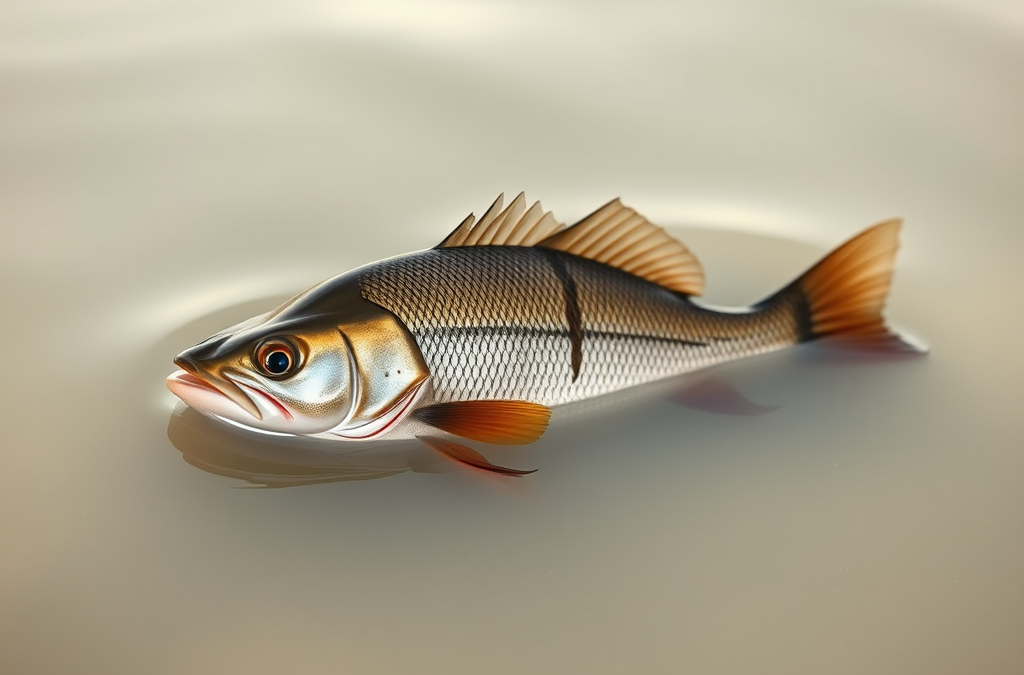
To catch fish in murky water, focus on using brightly colored lures or those that create noise, as these can attract fish in low visibility. Target areas with structures like submerged rocks or dense vegetation, where fish often seek cover. Incorporating scent-based baits, such as worms or cut bait, can enhance your chances since fish rely more on their sense of smell in murky conditions. Additionally, fishing during dawn or dusk can lead to better results, as fish are more active during these low-light periods.

Understanding Murky Water Conditions
Murky water conditions can significantly affect fish behavior and feeding patterns. The cloudiness is often caused by algae blooms, sediment, or runoff, which limits visibility and alters the habitat. Fish in murky water tend to rely more on their lateral line and sense of smell than on sight, making it crucial for anglers to adapt their strategies accordingly. Understanding these conditions can lead to better fishing outcomes.
In murky waters, fish are often found near structures, as these provide cover and ambush points. Identifying areas with submerged rocks, fallen trees, or dense vegetation can be advantageous. Additionally, fishing during low-light conditions, such as dawn or dusk, can increase your chances of encountering feeding fish who are more active during these times.
Best Baits for Murky Water Fishing
Choosing the right bait is essential for fishing in murky waters. Brightly colored lures or those that create noise can attract fish even when visibility is low. Spinnerbaits, for example, are particularly effective due to their flash and vibration, which can entice fish from a distance. Additionally, using baits that release strong scents, like cut bait or worms, can help fish locate your offering more easily.
Live bait can also be a successful choice in murky conditions. Fish such as minnows or nightcrawlers can create movement and scent that attract predatory fish. Consider using a slip sinker rig to keep your bait near the bottom where fish are likely to be hiding. Experimenting with different baits and observing which ones yield results can help refine your approach.
Techniques for Successful Fishing
Effective fishing techniques in murky water involve a combination of patience and careful presentation. Casting near structures and letting your bait settle can increase the likelihood of attracting fish. Slow, steady retrieves often work best, especially with lures that mimic injured prey. Varying your retrieve speed can help determine what triggers fish to strike.
Additionally, using a bobber can be beneficial, as it keeps your bait suspended at a desired depth. This allows fish to locate it more efficiently. If you’re fishing from a boat, consider drifting slowly over promising spots, allowing you to cover more ground while maintaining a stealthy approach.
Common Mistakes to Avoid
Many anglers make the mistake of assuming that murky water means fish are not present. In reality, fish can thrive in these conditions, but they often require different tactics to catch. Avoid using overly small baits or lures, as these may not attract fish in murky conditions. Instead, focus on larger, more visible options.
Another common error is fishing too quickly. In murky water, fish may take longer to locate your bait, so patience is key. Be mindful of the noise you make, as excessive splashing or movement can scare fish away. Understanding the unique challenges of murky water fishing can enhance your success rates.
Frequently Asked Questions
What types of fish can be caught in murky water?
Species such as catfish, bass, and panfish are commonly found in murky waters, as they often thrive in these conditions.
How does murky water affect fish behavior?
Fish may rely more on their sense of smell and lateral line in murky water, altering their feeding patterns and movement.
What is the best time to fish in murky water?
Early morning and late evening are typically the best times to fish in murky water, as fish are more active during these low-light periods.
What lures work best in murky water?
Brightly colored lures or those that create vibration, such as spinnerbaits and crankbaits, tend to be most effective in murky water.
How can I improve my chances of catching fish in murky water?
Using larger, visible baits, fishing near structures, and employing slow, methodical retrieval techniques can enhance your chances.
Further Reading
Authoritative Sources
- NOAA Fisheries
fisheries.noaa.govThis resource provides insights on fish habitats and behaviors in various water conditions - California Department of Fish and Wildlife
wildlife.ca.govOffers guidelines and species information relevant to fishing in diverse environments - Bass Resource
bassresource.comA comprehensive site dedicated to bass fishing, including techniques for murky water
Conclusion
Catching fish in murky water requires a strategic approach that takes into account fish behavior and environmental conditions. By choosing the right baits and employing effective techniques, anglers can significantly improve their success rates. Focus on areas with structure, utilize bright or noisy lures, and be patient in your retrieval to attract fish effectively. As you gain more experience in murky waters, adapting your strategies based on observation will lead to even better outcomes.

