
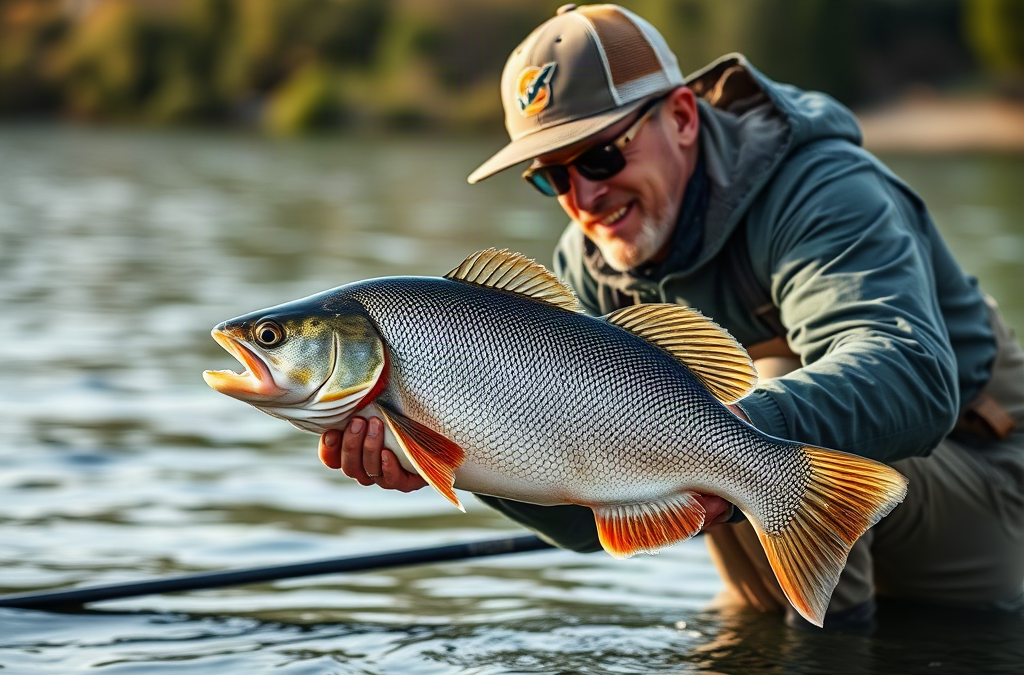
If you are not meeting your fishing goals, narrow the goal to a measurable result and diagnose your recent trips using location, fish activity, presentation, and execution rather than changing everything at once. Record where bites occurred, the depth and cover present, weather and water conditions, lure speed, and missed opportunities. Correct the largest constraint first: unproductive water, poor timing, an unsuitable presentation, or weak hook-setting and landing technique. Test one deliberate adjustment for several comparable outings, then judge progress by useful indicators such as detected bites, accurate casts, fish contacted, and landed catches—not merely whether every trip produced a personal best.
What you’ll learn
This guide covers the following practical points:
- Turn a Vague Goal Into a Measurable Target — A useful fishing goal defines the species, result, setting, and time available.
- Diagnose Why Your Results Have Stalled — Poor results usually come from a limiting factor in fish location, feeding opportunity, presentation, or execution.
- Build a Controlled Catch-Rate Reset Plan — A productive reset changes one major variable at a time while holding the rest reasonably stable.
- Measure Progress Without Letting One Trip Mislead You — Fishing progress is better judged across a group of comparable outings than by a single catch total.
Turn a Vague Goal Into a Measurable Target
A useful fishing goal defines the species, result, setting, and time available. “Catch more fish” gives you no clear basis for choosing water, tackle, or tactics. “Catch a legal-size largemouth bass from my local reservoir during three morning bank sessions this month” is specific enough to shape decisions. A goal involving a first fish requires a different plan from one involving a larger average size, more consistent catches, or mastery of a particular technique.
Separate outcome goals from process goals before judging your performance. An outcome goal might be landing five trout in a day or catching a bass over a chosen length. You cannot directly control whether fish cooperate, but you can control process measures such as arriving during a productive period, making accurate casts beside cover, maintaining the intended depth, checking knots, and moving after a reasonable period without evidence of fish. Process measures reveal whether the plan is improving even when the final catch varies.
Make the target compatible with your actual access. A bank angler with two evening hours cannot sensibly copy a boat-based plan that depends on covering several offshore structures. Likewise, pursuing trophy fish often means fewer bites than fishing for numbers. If your available water mainly holds small panfish, a goal centered on large bass may require traveling to another venue rather than buying a different lure. Constraints are not excuses; they determine which target is realistic.
Use a short goal statement containing four elements:

- Target: species, size class, technique, or consistency level.
- Water: the lake, river reach, pond, pier, or type of habitat available.
- Schedule: number and duration of sessions within a defined period.
- Evidence: catches, bites, productive spots found, or a skill performed correctly.
For example, a beginner trying to learn a jig could aim to fish it near rock and wood for at least 45 focused minutes on four outings, while recording bites and snags. An experienced angler may instead track how often jig fish come from a particular depth range. The beginner is building feel and confidence; the experienced angler is refining location. Treating both goals as simply “catching more” hides that difference.
A common mistake is setting several competing targets for the same outing. Trying to catch a personal-best bass, test six new lures, learn electronics, and maximize total bites produces scattered decisions. Choose one primary target and one supporting skill. That keeps your choices coherent and gives your notes enough consistency to become useful.
Diagnose Why Your Results Have Stalled
Poor results usually come from a limiting factor in fish location, feeding opportunity, presentation, or execution. Identify which stage is breaking down before replacing tackle. New equipment cannot compensate for fishing an empty depth, and a perfect location still produces little if the lure repeatedly fouls in weeds or moves outside the strike zone.
Start with location because fish must be present before lure details matter. Look for direct evidence: visible baitfish, follows, bites, fish marked on electronics, birds feeding, surface disturbances, or catches by anglers using comparable access. Also note habitat features that concentrate fish, including current seams, shade, weed edges, drop-offs, points, submerged wood, and transitions from rock to softer bottom. Absence of visible activity does not prove that a spot is empty, but several quiet visits under suitable conditions should lower its priority.
Timing changes how accessible fish are. A shallow flat may produce around low light and become nearly vacant after the sun rises. River fish can reposition when current, clarity, or water level changes. Wind may push food and stained water onto one bank while making precise presentations difficult on another. Rather than labeling a location “good” or “bad,” connect it to the conditions under which it showed life.
Next, inspect presentation. Depth and speed generally deserve attention before color. A lure passing two feet above bottom will not effectively test fish holding tightly in ten feet, regardless of its finish. If a moving bait produces follows but no commitment, slow it, pause it, reduce its size, or try a subtler profile. If no fish follow and no bites occur, relocating may be more valuable than cycling through minor color variations.
Execution becomes the likely constraint when you contact fish but fail to convert. Repeated missed strikes may reflect hooks that are dull, line with excessive slack, a hookset poorly matched to the lure, or haste during the fight. Fish lost beside the bank often expose poor landing preparation rather than poor fish-finding. Check knots and hook points, set drag before casting, keep the rod loaded during the fight, and identify a safe landing spot in advance.
Suppose two anglers fish the same pond. One receives no bites while covering featureless shoreline; the other gets three strikes beside the outside weed edge but lands none. The first angler should prioritize location. The second should inspect hook condition, lure rigging, line tension, and hook-setting timing. Giving both anglers the same advice would ignore the evidence. A trip log attached to what to do if you’re not meeting your fishing goals can help separate these failure points over several outings.
Build a Controlled Catch-Rate Reset Plan
A productive reset changes one major variable at a time while holding the rest reasonably stable. Constantly switching species, water, lure category, and fishing hours makes cause and effect impossible to see. Choose a familiar body of water, a target species that is realistically present, and a schedule you can repeat for several sessions.
Begin each outing with a location plan rather than a tackle plan. Select three types of areas that fit the season and access, such as a windblown point, a shaded bank with cover, and a deeper edge near shallow feeding water. Decide in advance what evidence earns more time. A bite, follow, baitfish concentration, or repeatable depth reading justifies slowing down. Thirty minutes without contact or promising habitat may justify moving, although cold water and trophy-oriented fishing often require longer evaluations.
Carry one search presentation and one slower follow-up option that can work through the available cover. In a bass pond, that could mean a small spinnerbait for covering weed edges and a compact soft-plastic rig for isolated openings. For trout in a modest river, it might mean a spinner for active fish and a properly weighted drifting presentation for deeper seams. The pair should test different fish moods without forcing you to rebuild the entire setup after every cast.
Use this compact reset sequence:

- Confirm access and conditions. Check whether the intended area is safely reachable and observe clarity, current, wind, vegetation, and visible food.
- Test likely holding water. Cover the highest-probability depth and structure with deliberate casts.
- Respond to evidence. Repeat productive angles, adjust depth around follows, and slow down where a bite occurred.
- Change one major variable. Move location before making several small lure changes unless fish have already shown interest.
- Record the result. Note what changed and whether contacts, hookups, or landings improved.
The plan should also fit your tolerance for risk. Fishing proven community spots with smaller presentations may generate more bites but less solitude and perhaps smaller fish. Exploring remote or overlooked cover may produce fewer immediate contacts while building valuable location knowledge. Neither option is automatically better. Choose based on whether the current goal is confidence, numbers, size, or learning new water.
A failing reset feels random: every quiet stretch triggers another lure, and every new lure is fished only a few minutes. A working reset creates repeatable clues. You may notice that bites come where wind meets emerging weeds, that fish respond only when the lure touches bottom, or that missed strikes decrease after changing a damaged hook. Keep the adjustment long enough to test it under comparable conditions, but abandon it when repeated outings provide no contact or useful evidence. The planning principles in what to do if you’re not meeting your fishing goals are most valuable when they lead to fewer, better-supported changes.
Measure Progress Without Letting One Trip Mislead You
Fishing progress is better judged across a group of comparable outings than by a single catch total. Fish behavior changes with weather, water level, seasonal movement, angling pressure, and food availability. A blank trip may still contain sound decisions, while a lucky fish caught on an unrepeatable cast may conceal weaknesses in the plan.
Keep records brief enough that you will actually use them. Note the date, fishing duration, target species, water temperature if reliably available, clarity, wind, productive depth, relevant cover, presentation, bites, hookups, and fish landed. Add one sentence describing the best clue and one decision you would change. Precise observations such as “two bites on the shaded side of wood after a long pause” are more useful than “slow day.”
Compare rates rather than raw totals when trip lengths differ. Three fish in a 90-minute session may represent stronger performance than four fish across eight hours. Bite-to-hookup and hookup-to-landing rates also expose different issues. More bites with the same presentation suggests improved location or lure placement. More hookups from the same number of bites suggests better strike detection or hook-setting. Better landing percentage points toward improved drag, line control, or landing preparation.
Do not interpret every pattern as a rule. Two catches on a red lure do not prove that red is the permanent answer, especially if both came from the only productive piece of cover. Location, depth, and retrieve may have mattered more. Look for clues that repeat across multiple days or locations before making them central to your approach.
Review the goal after three to five comparable sessions, not after every frustrating hour. If you are finding fish but losing them, preserve the location strategy and work on conversion. If accurate presentations produce no follows or bites, reconsider timing and water selection. If the goal demands conditions or access you rarely have, revise the target rather than treating a scheduling mismatch as a skill failure.
Plateaus can also indicate that independent feedback would help. A local guide, experienced fishing partner, club member, or fisheries educator may spot rigging, casting, or water-reading problems that are hard to detect alone. Ask a narrow question and provide observations: “I get strikes beside submerged wood but lose fish during the first few seconds” is more useful than “Why can’t I catch anything?” Advice should still be tested against your water and constraints rather than accepted as a universal rule.
Frequently Asked Questions
How long should I test a new fishing plan?
Give it three to five comparable outings when possible. Keep the target, water type, and broad presentation stable enough to evaluate, while allowing sensible adjustments for changing weather and fish position.
Should I buy new gear if I am not catching fish?
Only when your current equipment prevents the required presentation or fails mechanically. Location, depth, lure control, hooks, knots, and line condition usually deserve inspection before a major purchase.
Is changing lures frequently a good way to find what works?
Frequent changes can help after fish show interest, but rapid random switching weakens your test. Adjust location or depth first when there is no evidence that fish are present.
What should I record in a fishing log?
Record trip duration, conditions, habitat, productive depth, presentation, bites, hookups, catches, and the strongest clue from the outing. Keep entries short and based on observations rather than guesses.
When should I change my fishing goal?
Revise it when access, fish populations, available time, or seasonal conditions make the original target impractical. Adjusting an unrealistic target is better than repeatedly measuring yourself against conditions you cannot fish.
Conclusion
A stalled fishing goal becomes manageable when you define the result clearly and identify where the catch process breaks down. Set a target that matches your water and schedule, then distinguish between finding fish, presenting effectively, detecting strikes, and landing hooked fish. Build the next few outings around one controlled change rather than a tackle-box-wide experiment.
Start your next session with three likely areas, two complementary presentations, and a simple record of bites, hookups, and productive conditions. Review several comparable trips before drawing conclusions. Preserve the parts that create repeatable contact, correct the largest remaining limitation, and revise the goal if access or conditions make it unrealistic. Progress may first appear as better location choices, cleaner presentations, or fewer lost fish before it appears as a larger catch total.

