
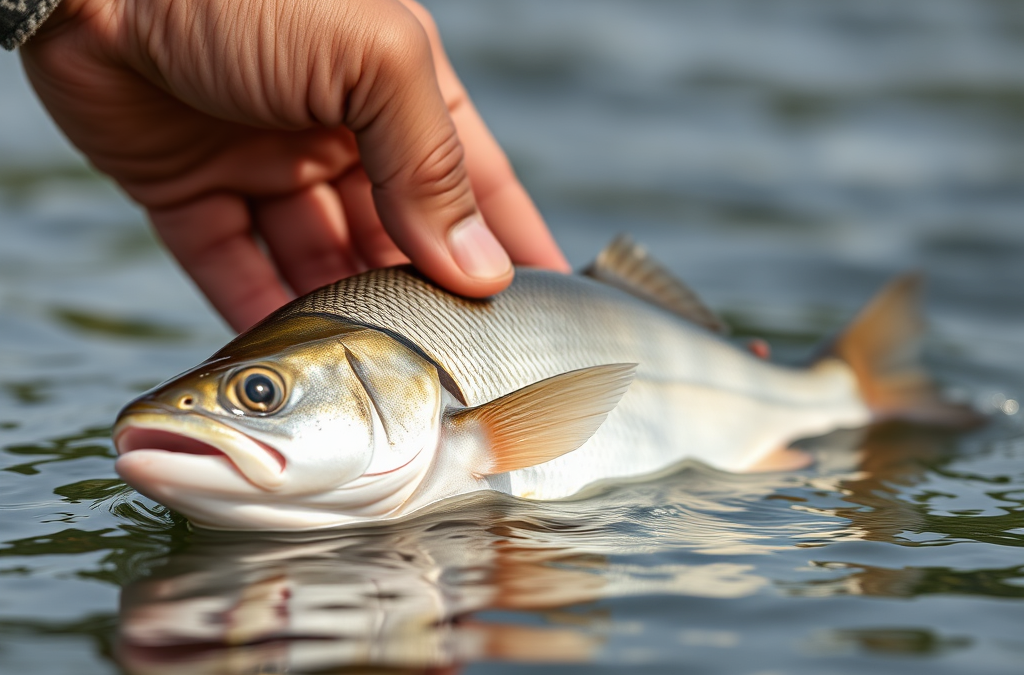
If you catch a tagged fish, the first step is to record the tag number and any other information such as the species and size. Then, report your catch to the organization that issued the tag, which helps with their research and conservation efforts. Additionally, handle the fish carefully to minimize stress and ensure its survival if you plan to release it. Following these steps contributes to valuable data collection and enhances understanding of fish populations.
Understanding Fish Tagging
Fish tagging is a common practice used by researchers and conservationists to track fish populations, study migration patterns, and assess the health of aquatic ecosystems. Tags are often attached to fish to provide valuable data about their movements, growth rates, and reproduction. Understanding the purpose of these tags can enhance your fishing experience and contribute positively to scientific research. Tags can be made from various materials and may come in different shapes and sizes, depending on the species and research objectives.

When you catch a tagged fish, it is essential to recognize that this fish has been part of a broader study aimed at conserving fish populations and habitats. The data collected from tagged fish helps inform management practices and regulations, ensuring sustainable fishing practices for future generations. By participating in this process, anglers can play a significant role in the conservation of aquatic environments.
Steps to Take After Catching a Tagged Fish
Upon catching a tagged fish, the first thing to do is to carefully examine the tag. Note the tag number and any additional information printed on it, such as the organization’s name or contact information. This information is crucial for reporting your catch accurately.
Next, you should document specific details about the fish, including its species, length, weight, and the location where it was caught. This data is valuable for researchers and helps improve our understanding of fish behavior and populations. If possible, take a photograph of the fish and the tag as a visual record.
Once you have gathered this information, contact the organization associated with the tag. Many tags have a phone number or website listed for reporting catches. Reporting your catch not only contributes to scientific research but may also lead to rewards or recognition from the issuing organization. Always follow the reporting protocols to ensure that your data is recorded correctly.
Importance of Reporting Tagged Fish
Reporting tagged fish is critical for several reasons. Firstly, it helps scientists gather data on fish populations, migration patterns, and the effectiveness of conservation efforts. Each report contributes to a larger dataset that informs policies and practices aimed at protecting aquatic ecosystems.
Moreover, reporting tagged fish can lead to better management of fishing regulations. When researchers understand the movements and behaviors of fish, they can recommend measures that protect vulnerable species and ensure sustainable fishing practices. This data can also help identify areas where certain species are thriving or declining, allowing for targeted conservation efforts.
Additionally, some tagging programs offer rewards for reporting catches, providing an incentive for anglers to participate in the research process. This fosters a collaborative relationship between fishermen and scientists, enhancing the overall health of fish populations and aquatic environments.
Best Practices for Handling Tagged Fish
When handling a tagged fish, it is crucial to minimize stress and injury to the fish. Use wet hands or a wet cloth to handle the fish, as dry hands can remove the protective slime layer that keeps fish safe from infections. If you plan to release the fish, do so as quickly as possible to increase its chances of survival.
Keep the fish in the water as much as possible while you gather information and take photographs. If you must remove the fish from the water, ensure that it is supported properly to prevent injury. Avoid squeezing the fish and hold it horizontally to maintain its natural position.

If you decide to keep the fish, ensure that you follow local regulations regarding size and bag limits. Always check the guidelines to ensure you are fishing sustainably and legally. Remember, the goal is to support conservation efforts while enjoying the sport of fishing.
Frequently Asked Questions
What should I do if I catch a tagged fish?
Record the tag number, species, size, and location, then report it to the organization that issued the tag.
Are there rewards for reporting tagged fish?
Many tagging programs offer rewards or incentives for reporting catches, which can vary by organization.
How do I handle a tagged fish properly?
Wet your hands before handling the fish to protect its slime layer and avoid unnecessary stress.
Why is fish tagging important?
Fish tagging helps researchers track populations, migrations, and health, informing conservation efforts.
Can I keep a tagged fish?
Yes, but ensure you follow local regulations regarding size and bag limits when keeping tagged fish.
Further Reading
Authoritative Sources
Authoritative Sources
- NOAA Fisheries
fisheries.noaa.govNoaa.govOffers comprehensive information on fish tagging programs and their significance in fisheries management
- Association of Fish & Wildlife Agencies
fishwildlife.orgA resource for understanding the role of fish tagging in wildlife conservation and management
- U.S. Fish and Wildlife Service
fws.govProvides guidelines on best practices for handling fish and wildlife, including tagged species
Conclusion
Catching a tagged fish presents a unique opportunity to contribute to important research and conservation efforts. By following the steps outlined—such as recording the tag information and reporting it—you not only aid scientists in their work but also ensure sustainable fishing practices. Remember to handle tagged fish with care to promote their survival, and always stay informed about local regulations to enjoy fishing responsibly.

