
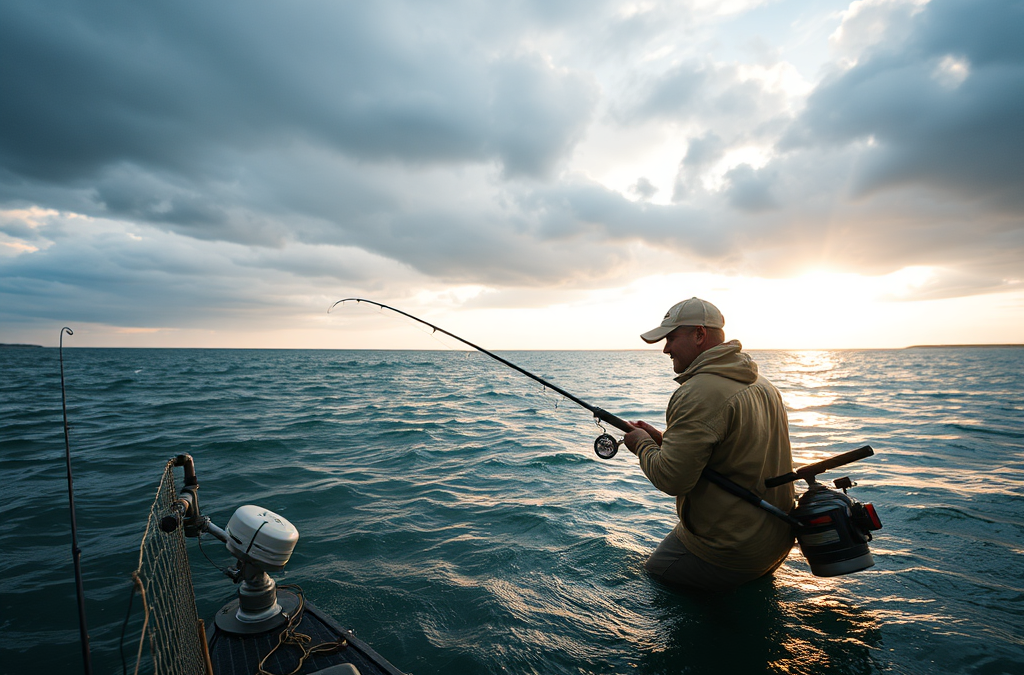
To adapt to changing weather conditions while fishing, monitor the weather closely and adjust your fishing techniques accordingly. For instance, during overcast days, fish may be more active near the surface, so using topwater lures can be effective. Conversely, during bright, sunny days, fish often seek deeper, cooler waters, making it necessary to use heavier weights or deeper diving lures. Additionally, understanding how temperature fluctuations affect fish behavior is crucial for success.
Understanding Weather Effects on Fish Behavior
Weather plays a significant role in fish behavior and can dramatically affect your fishing success. Factors such as temperature, barometric pressure, wind, and precipitation can influence where fish are located and how active they are. For example, rising temperatures usually lead to increased fish activity, as fish become more active in search of food. Conversely, sudden drops in temperature can cause fish to become lethargic, often moving to deeper waters where the temperature remains stable.

It’s crucial to understand these weather-related changes and how they impact fish. For instance, on warm, sunny days, fish may seek shade under structures or deeper waters, while overcast days may encourage them to feed more aggressively near the surface. Additionally, changes in barometric pressure, such as a drop before a storm, can trigger feeding frenzies, making it an excellent time to fish.
Adjusting Techniques Based on Weather Changes
Adapting your fishing techniques to match the current weather conditions can significantly improve your chances of success. For instance, during overcast conditions, fish often feel safer and are more likely to venture into shallower waters to feed. This is the perfect time to use topwater lures or shallow-diving crankbaits to entice fish. On the other hand, when the sun is shining brightly, fish may retreat to deeper waters to escape the heat, requiring anglers to switch to heavier weights or deeper diving lures.
Moreover, wind can also affect your fishing strategy. A light wind can create ripples on the water’s surface, which can be beneficial for topwater fishing. However, strong winds can make it challenging to control your bait and may require you to adjust your casting technique or switch to heavier tackle to maintain control.
Choosing the Right Gear for Weather Conditions
Having the right gear is essential for adapting to changing weather conditions while fishing. For example, during cold weather, insulated clothing and gloves can keep you comfortable, allowing you to focus on fishing rather than battling the elements. A good pair of polarized sunglasses is also crucial, as they help reduce glare on the water and improve visibility, making it easier to spot fish.
On hot days, lightweight, breathable clothing can help keep you cool, while a wide-brimmed hat can protect you from the sun. Additionally, using a cooler with ice can keep your catch fresh during hot weather. tackle, consider using lighter lines and smaller hooks during warmer months, as fish may be more cautious and selective about what they bite.
Planning Your Fishing Trip Around Weather Patterns
Planning your fishing trips around expected weather patterns can lead to a more successful outing. Check weather forecasts before heading out and be prepared to adjust your plans based on sudden changes. For example, if rain is expected, consider fishing in areas where fish tend to congregate, such as near river mouths or in shallow bays where they may seek shelter.
Moreover, understanding seasonal weather patterns can help you identify the best times to fish. For instance, spring and fall often provide the best fishing opportunities as fish are more active during these transitional seasons. Pay attention to moon phases as well, as they can influence fish feeding behavior, making your trip more fruitful.
Frequently Asked Questions
How does temperature affect fish behavior?
Temperature significantly impacts fish metabolism and activity levels. Warmer water generally increases fish activity, while colder water can cause them to become lethargic.
What should I do if it suddenly rains while fishing?
If it starts to rain, consider fishing in areas where fish might seek shelter, such as under trees or near structures that provide cover.
How can I tell if fish are biting during changing weather?
Look for signs such as jumping fish, surface disturbances, or changes in your line tension. Adjust your bait and technique accordingly.
What type of bait is best for overcast days?
During overcast days, fish are often more active near the surface. Topwater lures or spinnerbaits can be very effective.
How can I prepare for a fishing trip in extreme weather?
Check the forecast, dress appropriately for the conditions, and ensure your gear is suitable for the weather. Always have a backup plan in case conditions change unexpectedly.
Further Reading
Authoritative Sources
- NOAA Fisheries
fisheries.noaa.govOffers insights on how weather and climate affect fish populations and behavior
- Association of Fish and Wildlife Agencies
fishwildlife.orgProvides resources on fishing regulations and best practices in varying weather conditions
- Take Me Fishing
takemefishing.orgA comprehensive resource for fishing tips, including weather-related strategies
Conclusion
Understanding how to adapt to changing weather conditions while fishing is crucial for improving your success on the water. By monitoring the weather, adjusting your techniques, selecting the right gear, and planning your trips around weather patterns, you can enhance your fishing experience and increase your chances of a great catch. Always stay flexible and ready to change your approach as conditions shift, and you’ll find yourself reeling in more fish regardless of the weather.

