
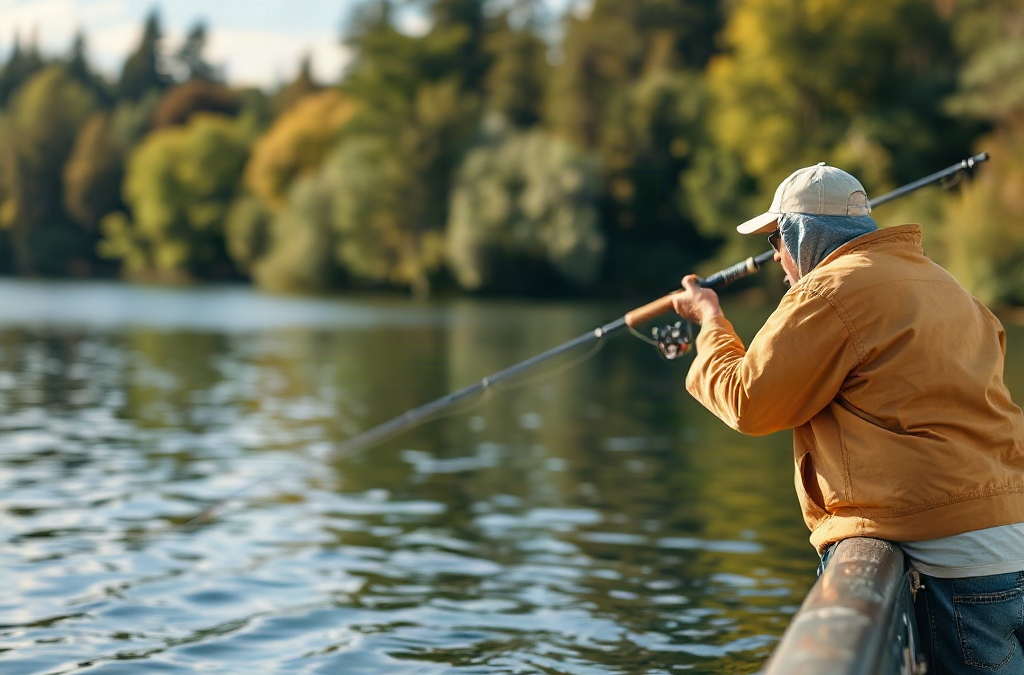
If your fishing license is expired, stop fishing and renew it through the licensing agency for the jurisdiction where you plan to fish before casting again. Check the expiration date, residency status, required endorsements, and whether the new license becomes valid immediately or at a stated time. Save the official digital receipt or carry the required paper copy, but do not assume a payment confirmation is valid proof unless the agency says it is. If you were already fishing when you noticed the expiration, put away your gear and document the renewal rather than continuing, because buying a license afterward generally does not erase an earlier violation.
Stop Fishing and Confirm the License Status
An expiration date should be treated as a firm boundary unless the issuing agency explicitly provides a grace period. A license that was valid yesterday may not authorize fishing today, even if renewal takes only a few minutes. Put down the rod, stop setting lines or traps, and check the actual record before assuming that an old card, app screen, or renewal reminder reflects current status.

Start with the agency account or license document issued for the water you are fishing. Look for the expiration date, license year, customer identification number, species privileges, and any attached stamps or endorsements. Some jurisdictions sell calendar-year licenses, while others use a fixed season or a period beginning on the purchase date. That difference can make a license appear current when it belongs to the previous regulatory year.
Location matters as much as the date. A license from one state, province, territory, or country generally does not transfer automatically to another. Boundary waters can be especially confusing because a reciprocal agreement may cover only certain locations, species, or methods. A saltwater registration may also be separate from a freshwater license. Confirm which authority controls the precise water rather than relying on the nearest town or boat launch.
A common mistake is treating a saved screenshot as proof that the license remains active. Screenshots can be outdated, and an agency app may need to refresh before displaying a renewal. Log into the official portal or contact the licensing office if the record is unclear. When someone else bought the license for you, verify that your name, birth date, residency classification, and other identifying details are correct.
If you are unsure whether an exemption applies, do not guess. Age-based, disability, landowner, military, free-fishing-day, and private-water exceptions vary widely and may carry documentation or location limits. The safer interpretation is that fishing should wait until the relevant authority confirms the exemption. The first priority in what to do if your fishing license is expired is establishing whether you currently have legal authorization—not whether renewal is likely to be easy.
Renew Through the Correct Licensing Authority
The issuing fish and wildlife agency is the most reliable place to renew because it controls license eligibility, fees, privileges, and proof requirements. Use the agency’s official website, mobile application, office, telephone service, or authorized license vendor. Search advertisements and unofficial renewal services can resemble government portals, so verify the web address from the agency’s main site before entering personal or payment information.
Have the information needed to match the existing customer record. This may include your prior license number, legal name, date of birth, address, residency evidence, identification number, or hunter and angler account credentials. Creating a duplicate profile can delay access to the license or leave purchases split between records. If the portal cannot find you, contact the agency rather than repeatedly creating new accounts.
Choose privileges according to the planned activity, not merely the least expensive option shown. A basic fishing license may exclude trout, salmon, certain marine species, additional rods, shellfish, or particular conservation stamps. The rules may also distinguish resident from nonresident buyers and short-term from annual licenses. For example, an angler taking a weekend trip might compare a multi-day license with an annual license, but the lower price has little value if the short-term product omits a needed species endorsement.
Before paying, review this compact renewal checklist:
- Jurisdiction: Confirm that the agency governs the intended water.
- Identity: Check spelling, birth date, residency, and customer number.
- Privileges: Add every required species, area, gear, or conservation endorsement.
- Dates: Read both the effective date and expiration date.
- Proof: Determine whether electronic display, printed documentation, or a physical card is required.
An authorized tackle shop or licensing counter can be useful when the online record is locked, identity details have changed, or cash payment is preferred. The tradeoff is that business hours and staff access may be limited. Online renewal is usually faster, but speed should not replace careful review. A successful charge does not necessarily mean every required privilege was selected, and a card statement is not normally a substitute for the license itself.
Verify When the New License Becomes Valid
Purchase time and legal effective time are not always identical. Many electronic licenses activate promptly, but a jurisdiction may impose a delayed start, require a separate validation, or issue a temporary document while a durable card is mailed. Read the completed license and official confirmation page for an effective date and time before resuming fishing.
Proof rules deserve the same attention. Some agencies allow an official app or downloaded license, while others require a signed paper copy, physical credential, identification document, or harvest record. A confirmation email may show that a transaction occurred without containing everything an officer needs to verify privileges. Download the official license file, complete any required signature, and store it in the approved format.
Prepare for poor reception at remote water. If electronic proof is accepted, make the license available offline rather than assuming the website will load at the boat ramp. Charge the phone, save the document in the agency app or approved wallet, and consider a printed copy if local rules permit it. A screenshot is useful only when the authority recognizes it as valid proof; it should not replace an official offline credential merely for convenience.
Check the renewed document line by line. Confirm your identity, effective period, residency class, species endorsements, and harvest-reporting requirements. If you paid for a trout privilege but it does not appear, contact the agency or vendor before targeting trout. The fact that a receipt lists a fee may help resolve an administrative error, but it does not justify ignoring a visibly incomplete license.
Signs that renewal worked include an active status in the official account, a document bearing current dates, and all intended privileges appearing under the correct customer profile. Warning signs include a pending transaction, an effective date in the future, a blank license file, duplicate profiles, or a missing endorsement. Keep the order number and receipt until the record is settled. When evaluating what to do if your fishing license is expired, the operative question is not whether money changed hands; it is whether the authority has issued valid permission for the intended activity.
Handle an Expiration Discovered During or After Fishing
Discovering the problem after a line is already in the water calls for immediate, orderly action. Stop actively fishing, reel in or retrieve lawful unattended gear as safely as possible, and secure the tackle. Do not continue while attempting to renew on a phone. An online purchase made at 10:15 does not establish that fishing at 10:00 was licensed, and renewal generally should not be viewed as retroactive authorization.
If a fish has already been caught, avoid making assumptions about release, possession, tagging, or reporting. Fish-handling duties can differ by species and jurisdiction, and some fish cannot lawfully be released once retained or dispatched. Follow any immediate conservation requirement that applies, record the circumstances, and seek instructions from the fish and wildlife agency or an officer when feasible. Do not conceal, transfer, or misreport the catch in an attempt to correct the licensing issue.

When approached by an enforcement officer, remain calm and provide accurate identification and documentation. Buying a license after contact does not erase the prior status, although promptly correcting the lapse may still demonstrate that you are addressing it. Do not claim that a receipt predates the actual purchase or that an exemption applies without support. Officers enforce local law, and possible outcomes vary, so no website can reliably promise a warning, fine, confiscation decision, or other result.
If you receive a citation or notice, read every date and instruction. Preserve the expired license, renewal receipt, account history, photographs of relevant notices, and any correspondence with the agency. Contact the office listed on the document about payment, appearance, review, or dispute procedures. Missing a response deadline can create a separate problem. For jurisdiction-specific legal advice or a contested allegation, consult a qualified local attorney rather than relying on informal comments from other anglers.
A different response applies when you notice the lapse at home after a past trip. Renew before the next outing, but do not alter records or make a false report about earlier activity. If mandatory harvest reporting is due, use the agency’s official instructions and ask how to correct an omission. Self-reporting consequences depend on local rules, so contact the responsible agency for accurate direction instead of assuming silence or retrospective renewal will solve the issue.
Prevent Another License Lapse
A reliable reminder system should match the way the license actually expires. Enter the exact expiration date in a calendar and add an earlier alert that leaves time to resolve identity, residency, or payment problems. For a license tied to a season rather than the purchase anniversary, schedule the reminder before that regulatory period ends. A vague annual reminder can fail when the agency changes sales timing or when different endorsements expire on different dates.
Check the license during trip planning rather than at the water. Place license status beside weather, access, tackle, and safety checks on the departure list. For group trips, each angler should verify personal authorization; the boat owner, charter organizer, parent, or trip leader should not assume everyone is covered. Youth licenses and exemptions deserve separate review because eligibility can change with age or location.
Automatic renewal may reduce accidental lapses where offered, but it is not maintenance-free. Expired payment cards, changed addresses, residency changes, duplicate accounts, and revised endorsement needs can cause an automatic transaction to fail or renew the wrong product. Treat an auto-renewal email as a prompt to inspect the issued credential. If no current document appears, assume the renewal is incomplete until the agency confirms otherwise.
Keep records without relying on obsolete copies. Store the current license in a clearly named phone folder, remove old versions from the main screen, and retain the purchase receipt separately. If paper proof is required, protect it from water and carry the identification that local rules require. Families can maintain a simple list of names, expiration dates, and needed privileges, but each document should remain associated with the correct person.
Regulations should also be checked after renewal because a license grants access subject to current rules; it does not guarantee that a species, season, area, size, method, or daily limit is open. Review the official regulation source shortly before the trip, especially after emergency closures or seasonal changes. Building that check into the same routine as what to do if your fishing license is expired prevents a renewed credential from creating false confidence about the rest of the rules.
Consult the official fish and wildlife, natural resources, or fisheries agency for the jurisdiction where you will fish. Its licensing portal and current regulations are the authoritative sources for effective dates, accepted proof, endorsements, exemptions, boundary-water agreements, harvest reporting, and enforcement contacts.
Frequently Asked Questions
Can I fish on the same day that I renew an expired license?
Only if the renewed license is effective that day and you possess the required proof. Check the printed effective date and time rather than assuming activation is immediate.
Is there usually a grace period after a fishing license expires?
Do not assume one exists. Grace periods and exceptions are jurisdiction-specific, so stop fishing unless the issuing agency explicitly confirms that you remain authorized.
Does a renewal receipt count as a fishing license?
It counts only when the issuing authority identifies that receipt or temporary document as valid proof. A payment email or bank charge alone may not satisfy license-display rules.
Can I renew an expired fishing license at a tackle shop?
Often, if the shop is an authorized licensing vendor. Confirm that it can issue the required license and endorsements, then inspect the dates and personal details before leaving.
What should I do if I was cited for fishing with an expired license?
Follow the notice instructions, preserve your records, and meet every response deadline. Contact the issuing office with procedural questions and seek qualified local legal advice if you intend to contest the allegation.
Conclusion
An expired license turns a routine outing into a compliance issue that should be resolved before more fishing occurs. Identify the agency controlling the water, renew through an official channel, and inspect the issued document for correct dates, identity details, and endorsements. Payment is only part of the process; the credential must be active and available in an accepted form.
If the lapse comes to light during or after a trip, preserve accurate records and follow agency or citation instructions rather than trying to make a later purchase look retroactive. For future outings, pair an early calendar reminder with a pre-departure license and regulation check. That routine catches failed automatic renewals, changed eligibility, missing privileges, and outdated documents while there is still time to fix them.

