
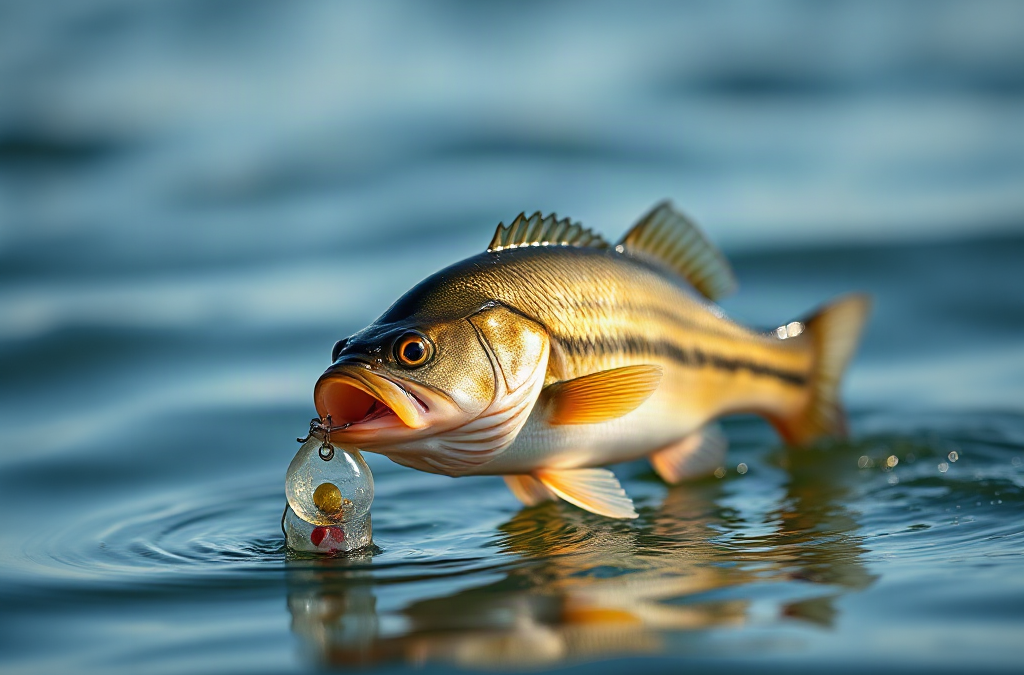
Common mistakes when using spinnerbaits for bass include choosing blades without matching water conditions, retrieving at one speed, fishing the lure too high above cover, using poorly matched tackle, and failing to tune the wire or replace damaged skirts. Colorado blades create more vibration in stained water, while willow blades suit clearer water and faster presentations. A spinnerbait should usually contact or closely pass cover without constantly fouling, and its speed should change with depth, temperature, and bass activity. Check the hook, trailer, skirt, and blade rotation before casting, then adjust one variable at a time when strikes are absent.
Choosing the Wrong Spinnerbait for Conditions
Spinnerbait selection should reflect water clarity, light penetration, depth, and the type of forage bass are likely to encounter. A frequent error is treating blade style and color as cosmetic choices. They control flash, vibration, lift, and running depth, so a poor match can make the lure difficult for bass to track or keep it outside the productive strike zone.

Colorado blades produce substantial water displacement and are useful when stained water, wind, or low light limits visibility. Willowleaf blades create stronger flash with less resistance and often work better in clearer water or when bass are willing to chase. Indiana blades sit between those extremes. A double-willow setup can be effective over submerged vegetation, but its relatively subtle vibration may be less useful in muddy water than a Colorado-heavy configuration.
Weight creates another common mismatch. A light spinnerbait may stay above fish when the presentation needs to reach deeper structure, while a heavy model can drop into vegetation and collect debris on every cast. For example, a 3/8-ounce lure may be a versatile starting point around shallow cover, whereas deeper ledges or windy banks may call for more weight to maintain contact with the intended depth. The heavier option is not automatically better; it can move too quickly through shallow water and reduce control.
Color should support visibility rather than follow a rigid rule. Bright chartreuse or white combinations can stand out in reduced visibility, while more natural shad or translucent patterns may look less intrusive in clear water. The useful test is whether the lure remains visible to the angler at the working depth without appearing radically disconnected from the surroundings. Readers comparing common mistakes when using spinnerbaits for bass should prioritize depth and blade behavior before buying another color.
Retrieval Errors That Reduce Strikes
A spinnerbait catches bass through movement, flash, vibration, and its ability to pass near cover without becoming unmanageable. Retrieving it at one speed from the first cast to the last ignores how water temperature, wind, depth, and fish activity change the lure’s effectiveness. A slow roll may keep the bait near deeper fish, while a faster retrieve can trigger bass feeding on moving baitfish near the surface.
The most common speed mistake is reeling too quickly because the angler wants to cover water. That can cause a lightweight bait to rise and leave the strike zone, particularly when the retrieve begins over a drop-off. The opposite mistake occurs when a heavy lure is crawled so slowly that it repeatedly contacts bottom and accumulates weeds. Productive speed is the rate that keeps the blades turning while holding the bait at the depth where bass are positioned.
Pause-and-go retrieves deserve more attention. A brief hesitation beside a dock post, tree limb, or grass edge lets the spinnerbait flare and change direction. That irregular movement can resemble a baitfish reacting to danger. Burning the lure continuously may work when bass are actively chasing, but it gives less opportunity for fish holding tight to cover to react. Slow rolling is more appropriate when fish are lethargic or suspended near deeper structure, although it requires better depth awareness.
Watch the lure during the first few feet of every retrieve. If one blade fails to rotate until the bait reaches speed, the presentation is already compromised. If the lure rolls onto its side, the wire may be bent or the trailer may be misaligned. Cast beyond the target, let the lure reach the desired depth, and use controlled changes rather than random speed shifts. A missing strike does not automatically mean bass are absent; it may mean the bait is moving above them, too fast, or too steadily.
Running the Lure Incorrectly Around Cover
Spinnerbaits are designed to approach cover closely, but many anglers either avoid cover completely or force the lure into every obstacle. Bass often use grass edges, laydowns, dock corners, and rock transitions as ambush points. The lure becomes more effective when it passes near those edges and produces a predictable deflection without spending the retrieve buried in debris.
Contact with cover can be useful because a brief deflection changes the bait’s direction and makes the blades pulse. The mistake is confusing occasional contact with constant fouling. A spinnerbait dragging through thick vegetation may look attractive for only a moment before grass blocks the hook, stops the blades, and destroys the vibration. If the lure returns covered in weeds, the next cast should not repeat the same line. Move slightly outside the thickest growth, raise the rod tip, change the angle, or select a bait better suited to that density.
Boat position also affects the presentation. Casting directly at a visible stump often produces a short retrieve and a poor angle. Casting past it allows the bait to approach from multiple sides, giving the angler time to control depth and watch for a reaction strike as it passes. Along a grass line, parallel casts keep the lure in the strike zone longer than repeated casts straight toward the bank.
Depth errors are especially costly around drop-offs. A spinnerbait that begins near the surface may need a controlled countdown before the retrieve starts, while a shallow bank may require immediate movement to prevent snagging. Wind can push baitfish toward a bank and make a wind-blown edge worth covering, but it also increases boat drift and makes precise casts harder. Use shorter casts until control improves rather than sacrificing lure placement. For related decisions, the internal reference on spinnerbait mistakes around bass cover can reinforce the importance of angle and depth.
Tackle, Tuning, and Maintenance Mistakes
Spinnerbait tackle must balance casting distance, lure control, hook-setting power, and resistance from the blades. A rod that is too soft may make it difficult to drive the single hook through a bass’s mouth, while an excessively stiff rod can pull the lure away during a close-range strike. A medium-heavy rod with a responsive tip is a common practical compromise, but the best choice depends on lure weight, cover, and the angler’s casting style.
Line selection changes more than sensitivity. Heavier line helps around wood and vegetation but may reduce casting distance and alter the lure’s fall. Lighter line casts well and can improve depth, yet it leaves less margin around abrasive cover. Braid with a leader, straight fluorocarbon, or monofilament each creates different handling characteristics. The mistake is copying a setup without considering whether the lure will be retrieved through open water, sparse grass, or heavy wood.
Mechanical tuning is frequently neglected. The wire should remain straight enough for the blades to rotate on their intended paths, and the blades should spin freely on their swivels. A bent arm can make the bait track sideways. A damaged skirt can reduce profile and concealment around the hook, while a trailer that is too large or crooked can destabilize the lure. Replace or reposition components when the bait no longer runs true rather than compensating with increasingly awkward retrieves.

Hook and knot checks belong in the routine. A dull hook may still catch an occasional fish, but it increases the chance of a poor hookup after a long cast or a deflection. A bulky knot can interfere with the lure’s freedom of movement. Before fishing a productive stretch, run the hook point across a fingernail, inspect the line near the connection, and confirm that the trailer is centered. These small checks protect the advantage spinnerbaits provide: covering water while presenting near cover with relatively few snags.
A Practical Spinnerbait Adjustment Checklist
When bass ignore a spinnerbait, change the presentation in a deliberate order instead of replacing everything at once. Random changes make it difficult to identify whether the problem was depth, visibility, speed, or equipment. A short testing sequence creates useful feedback during a limited fishing window.
- Confirm operation: Make a short test cast and verify that both blades start quickly, the skirt is secure, the hook is sharp, and the lure tracks upright.
- Locate the working depth: Count the lure down, vary the rod angle, and note whether vegetation or bottom contact indicates that the bait is too low or too high.
- Match vibration and flash: Use more Colorado influence in dirty or dim water and more willowleaf flash in clear, brighter conditions.
- Change retrieve speed: Compare a steady moderate retrieve, a slower rolling presentation, and a faster search pass while keeping the lure in the same general depth.
- Improve the angle: Cast parallel to a grass edge, past a laydown, or across a rock transition so the lure reaches cover instead of ending at it.
Signs of improvement include consistent blade rotation, fewer fouled casts, controlled depth, and contacts that occur near identifiable cover or transitions. A sudden strike after a speed change suggests that cadence mattered; repeated weeds on the hook suggest that the path or lure choice needs correction. Do not interpret a quiet period as proof that spinnerbaits have failed. Compare the lure with a different presentation only after testing the variables that determine how it is seen and felt.
Choosing a spinnerbait should also account for the alternative. A crankbait may cover a defined depth more consistently, a jig may probe heavy cover more precisely, and a soft plastic may remain in place longer. The spinnerbait earns its place when flash and vibration can draw bass from cover or help search a broad area. The goal is not to force it into every situation, but to use its strengths without allowing tackle or presentation errors to hide them.
For additional context, consult bass-fishing instruction from recognized conservation agencies, university extension programs, and established tackle organizations; prioritize material that explains lure behavior, habitat, and seasonal bass positioning rather than product claims alone.
Frequently Asked Questions
Why do spinnerbaits sometimes roll onto their side?
A bent wire, damaged blade, oversized trailer, or uneven trailer placement can upset the lure. Inspect the frame and center the trailer before changing retrieve speed.
Which spinnerbait blades work best in muddy water?
Colorado-style blades generally provide more vibration and may be easier for bass to detect in muddy or low-light water. Weight and color still need to match depth and visibility.
Should a spinnerbait touch cover?
Occasional contact can trigger a deflection, but constant fouling reduces flash and hook exposure. Aim to pass close to cover and adjust the casting angle when the lure returns covered in debris.
Why am I getting follows but no strikes?
Try a brief pause, a sharper speed change, a smaller profile, or a different blade balance. Follows often indicate that bass can locate the lure but need a more convincing final movement.
What is a sensible starting retrieve?
Begin with a moderate retrieve that keeps the blades turning and the bait below the surface, then test slower and faster speeds while maintaining similar depth.
Conclusion
Effective spinnerbait fishing depends less on owning a large collection of colors than on keeping the lure operating in the depth and cover zone where bass can intercept it. Check blade rotation and hook condition first, then match vibration and flash to water clarity and light. Control the fall, vary the retrieve, and use cover as a deflection opportunity rather than a place to collect weeds. Tackle should give enough power for a clean hook-set without making the lure difficult to cast or manage. If strikes do not come, change one variable at a time and record what the water, lure, and cover are telling you. That disciplined process turns a spinnerbait from a generic search lure into a precise tool for a specific bass situation.

