
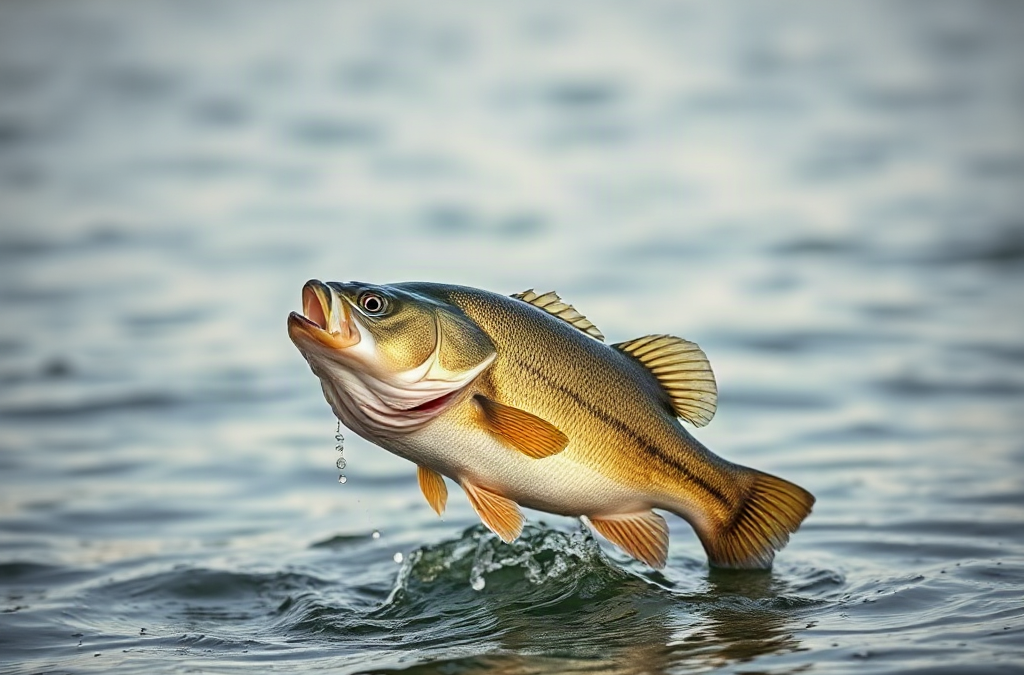
To fish for trophy bass in local waters, map seasonal habitat, present large natural-looking baits near high-value cover, and adjust your position so the lure enters the fish’s feeding zone without excessive disturbance. Begin by identifying deep water beside spawning flats, creek channels, vegetation edges, timber, or isolated rock, then check those areas during low-light periods and weather changes. Use local forage to choose between a swimbait, glide bait, jig, or live bait where legal, and slow the presentation when water is cold or pressured. The biggest mistake is covering water randomly instead of revisiting productive structure as temperature, clarity, and forage movement change.
Find the Local Habitat Trophy Bass Actually Use
Large bass usually spend energy where food, security, and comfortable water overlap. In a local lake, that intersection may be a creek channel beside a shallow flat, a submerged point with access to deep water, a brush pile near a spawning area, or a vegetation edge swept by current. The most useful starting point is not a famous bank; it is the relationship between depth, cover, and nearby forage.

Study a contour map, satellite image, or electronics before making repeated casts. Mark places where a flat drops into a channel, where a secondary point reaches deeper water, and where an inlet or dam creates moving water. Trophy fish may not sit on the most obvious cover. A single laydown beside a depth change can be more valuable than a long, featureless wall of timber because it gives a bass a concealed ambush position and a short route to safety.
Local knowledge helps, but it can also create a trap. Anglers often return to a dock, brush pile, or creek arm because it produced once, even after water temperature and forage distribution have changed. Treat a productive place as a pattern clue rather than a permanent guarantee. If the fish were using the shallow side of a point during warming conditions, they may shift to its deeper end after a cold front while remaining within the same general area.
On the water, look for signs that a location is connected to feeding activity: baitfish dimpling, birds working, fresh vegetation growth, current seams, or bass activity on sonar. A clean screen does not prove fish are absent, but it should lower your confidence in spending an hour there. Position the boat far enough away to make the first cast beyond the target, then work the lure through it. Casting directly onto shallow cover can alert a heavy fish before the presentation reaches its strike zone.
A practical priority list is:
- Identify deep-water access beside feeding or spawning habitat.
- Find cover that concentrates forage rather than merely adding visual interest.
- Check the windward side when wind pushes plankton and bait toward shore.
- Revisit the same structural relationship at a different depth before abandoning the area.
That approach makes how to fish for trophy bass in local waters more precise: you are testing a bass habitat pattern, not simply casting a large lure at attractive scenery.
Match Seasonal Conditions With Forage and Presentation
Seasonal movement determines where a large bass can feed efficiently, but water temperature, sunlight, rainfall, and local forage often matter more than calendar dates. In late winter and early spring, a trophy bass may stage near a warming flat while remaining close to deeper water. A slowly retrieved suspending jerkbait, jig, or soft swimbait can cover that transition without forcing the fish to chase far.
During the spawning period, avoid assuming every large bass is visibly shallow. Some fish remain on staging cover before moving up, while others leave a spawning pocket quickly after a weather change. A glide bait or Texas-rigged soft plastic may be useful around visible cover, but a deep channel swing just outside the pocket can produce when the bank appears lifeless. The comparison is simple: shallow water offers visibility and cover, while the nearby break often offers stability and an escape route.
After the spawn, larger bass commonly recover around shade, submerged vegetation, offshore cover, or areas with abundant bluegill and other prey. Early morning may reward a walking topwater lure along a grass edge, but bright midday conditions can shift the advantage toward a jig, swimbait, or crankbait near the first depth change. A lure that looks impressive in clear water may be less effective in stained water if the fish cannot track it; vibration, silhouette, and a slower cadence become more useful.
Summer does not mean every trophy bass is deep. Night fishing, heavy shade, current, and thick vegetation can keep quality fish shallow. In a reservoir, a creek channel with moving water may remain productive while a calm pocket becomes warm and depleted. In a natural lake, submerged grass may be more important than depth because it supplies oxygen and hides forage. Watch the water rather than forcing a seasonal stereotype.
Fall can bring a strong feeding window as bait moves toward creek arms, but rapid weather changes may scatter fish. Follow forage activity instead of fishing every bank equally. During winter, concentrate on small areas with stable depth and a presentation the fish can intercept. Cold water rewards patience, yet patience does not mean repeating an unproductive retrieve indefinitely. Change depth, angle, or cadence when the lure never reaches visible structure or produces no response.
Keep a simple log of water temperature, clarity, wind direction, lure depth, and the exact type of cover involved. Over several trips, that record can reveal that local giants prefer a particular combination, such as wind-blown rock during warming afternoons or isolated grass beside a channel during low light.
Choose Tackle and Baits for One Quality Bite
Trophy-bass tackle should be selected for the lure, cover, casting distance, and fish-handling demands of the water rather than for maximum size alone. A heavy rod and oversized line may control a fish around vegetation, but they can make a small, subtle presentation awkward. Conversely, light tackle may cast beautifully yet leave too little control around docks, wood, or thick grass.
Large swimbaits, glide baits, and wake baits imitate substantial prey and can draw attention from a mature bass, but they are not automatic big-fish tools. Their value increases when the local lake contains forage of comparable size and the water is clear enough for a fish to inspect the bait. In stained water or heavy cover, a jig, creature bait, vibrating lure, or compact swimbait may give a better combination of visibility and control.
Match the lure to what bass can realistically find. If local prey consists mostly of shad, a natural shad profile and steady swimming action make sense. Where bluegill dominate around docks and vegetation, a broader-bodied bait or jig may be more convincing. Live bait can be effective where regulations allow it, but anglers must verify local rules, bait restrictions, seasonal closures, and handling requirements before using it.
Line choice involves a real tradeoff. Fluorocarbon offers abrasion resistance and a less visible underwater profile for many presentations, while braid provides strength and sensitivity around vegetation and heavy cover. A braid-to-leader setup may improve casting and control, but the connection knot must pass cleanly through the guides and be checked for damage. Hooks should be sharp enough to penetrate at the end of a long cast; a dull hook can turn a rare opportunity into a lost fish.
Use a lure size that you can cast accurately and retrieve at the depth where bass are holding. A giant bait that spends most of the retrieve above the fish is less useful than a smaller presentation moving through the correct zone. Likewise, a powerful rod does not compensate for a drag locked so tightly that a fish surges into cover. Set the drag and rod power according to the cover, then maintain steady pressure rather than violently lifting the fish.
Before the first cast, inspect the hook points, leader, knot, split rings, and line near the lure. Mature bass expose weak components more efficiently than small fish because they load the tackle harder and often use the nearest cover immediately after the strike.

Build a Repeatable Search and Adjustment Routine
A productive trophy-bass outing should test a hypothesis in a defined area. Select two or three habitat types, give each a reasonable presentation window, and record what changes with depth, angle, and retrieve speed. This prevents random lure switching, which feels active but rarely reveals why a bite did or did not occur.
Begin with the highest-confidence condition. On a windy spring morning, that might be a rocky point where a shallow flat meets a channel. Make parallel casts along the break, then cross it at different angles. If a fish follows but does not strike, slow down, make a longer pause, or change the lure’s distance from cover. If there is no sign of bait or fish, move to the next structural relationship rather than polishing the same empty bank.
Boat position controls presentation quality. In shallow water, approach quietly and use the wind to drift past a target without repeatedly repositioning over it. In deeper water, hold above the break and cast up onto the structure so the lure travels naturally toward the drop. A fish that follows a bait to the boat may be responding to the angle, not rejecting the lure completely. A wider cast that keeps the bait near cover longer may solve the problem.
Use electronics as a decision aid, not as permission to ignore visible conditions. Sonar can show depth changes, bait clouds, and suspended fish, but a screen does not always identify species or prove that fish are actively feeding. Likewise, a promising waypoint may fail because the wind stopped, water clarity changed, or forage moved overnight. Confidence should be updated after each meaningful observation.
Signs the pattern is working include repeated contact with the same cover, bait activity in the lure’s path, follows from quality fish, or bites occurring at a consistent depth and cadence. Signs it is failing include contacting no cover, fishing outside the active depth, seeing no forage, or receiving only small-fish attention despite a suitable big-fish presentation. Change one variable at a time so the result remains useful.
After landing a bass, handle it briefly with wet hands, support its body horizontally, and return it promptly unless local rules or personal harvest plans call for keeping a legal fish. Photographing a trophy should not turn a successful catch into unnecessary stress. Check current regulations before fishing, and confirm any slot limits, minimum lengths, seasonal rules, or special requirements for the water you plan to visit.
For a more complete approach, combine these observations with how to fish for trophy bass in local waters by treating every trip as a local experiment: preserve productive waypoints, document failed assumptions, and refine the depth-and-forage combination rather than chasing isolated catches.
Before fishing a new lake, consult the state wildlife agency or local fisheries department for regulations, public access information, special bass limits, and water-specific notices. These official sources are more reliable than old forum posts when rules or access conditions have changed.
Frequently Asked Questions
What depth is best for trophy bass?
There is no universal depth. Focus on depth changes beside active forage, then adjust with water temperature, light, cover, and seasonal movement. A shallow fish may be only a few feet from a deep escape route.
Are large lures necessary for catching a large bass?
No. Large lures can imitate substantial prey and attract attention, but a smaller jig or swimbait may outperform them when local forage is small, water is stained, or cover requires precision.
What should I fish after a cold front?
Check nearby deeper cover, channel edges, and protected areas. Slow a jig, suspending bait, or soft plastic and keep the lure in the strike zone longer instead of abandoning productive structure immediately.
How can I find productive water in a heavily pressured lake?
Search for overlooked structural details, changing angles, and less obvious depth connections. A quieter approach, longer casts, natural colors, and a slower retrieve may matter more than continually changing lure brands.
What is the most common mistake when targeting trophy bass?
Many anglers cover water randomly and leave a promising area before testing depth, angle, and cadence. Make controlled changes and stay near habitat that combines forage, cover, and access to stable water.
Conclusion
Consistent trophy-bass results on local water come from identifying a repeatable relationship between forage, cover, depth, and seasonal conditions. Start with structure that gives a large fish both feeding access and a nearby escape route, then place the boat so your lure travels through that zone naturally. Choose bait size and action from the prey actually present, not from the assumption that the biggest lure is always best. Record temperature, clarity, wind, depth, and retrieve details so each trip improves the next decision. When a pattern produces follows or bites, refine one variable at a time; when it fails, move according to evidence rather than frustration. Verify local regulations and handle any released bass carefully, because a rare catch deserves both sound tactics and responsible treatment.

