
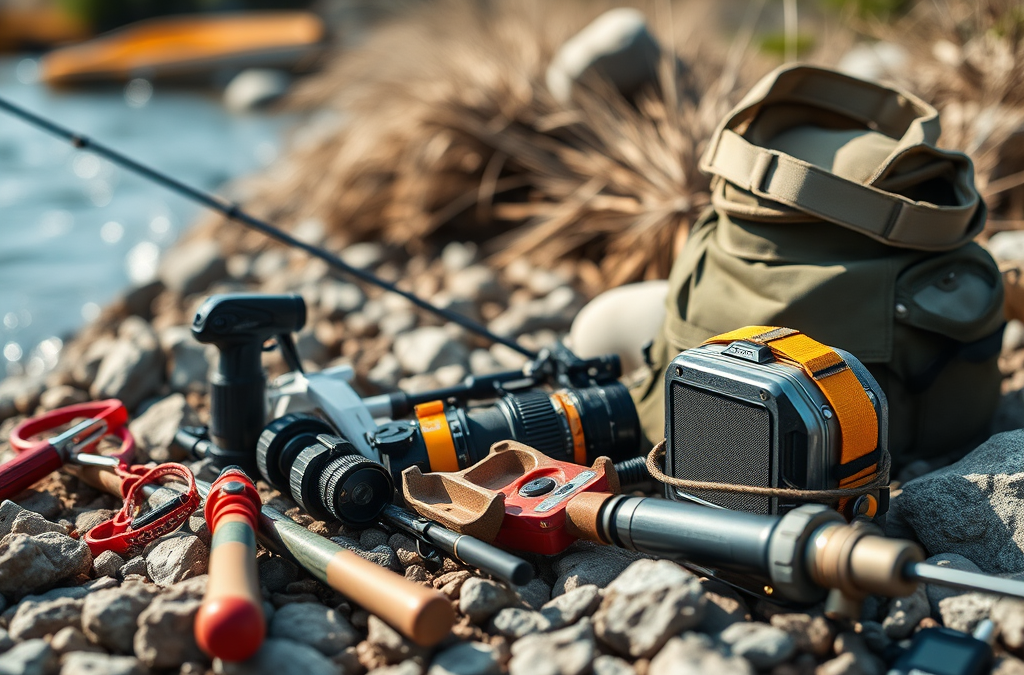
Prioritizing safety while fishing in remote areas involves preparing adequately, choosing the right gear, and implementing effective risk management strategies. This includes having a comprehensive plan that accounts for weather conditions, emergency supplies, and communication methods. A common mistake is underestimating the environmental challenges, which can lead to dangerous situations. Always inform someone of your plans and expected return time to ensure assistance is available if needed.
Essential Gear for Remote Fishing
When fishing in remote areas, having the right gear is crucial for ensuring safety and success. Essential items include a reliable fishing rod, tackle, and bait, but beyond that, safety gear plays a critical role. A personal flotation device (PFD) is non-negotiable, especially in areas with unpredictable water conditions. Additionally, a first aid kit, multi-tool, and emergency whistle should always be part of your equipment.

Navigation tools, such as a GPS device or a reliable map and compass, are equally important. Many anglers underestimate the risk of getting lost in unfamiliar terrain. A portable charger for your electronic devices can keep your communication tools operational. In remote areas, cell service may be unreliable; therefore, having a satellite phone can be a lifesaver.
Another critical piece of gear is the appropriate clothing. Dress in layers to adapt to changing weather conditions and ensure you have waterproof and insulated options. Footwear should be durable and suitable for various terrains to prevent slips and injuries.
Planning Your Fishing Trip
Effective planning is essential for a safe fishing trip in remote areas. Start by researching the location, including access points, local regulations, and the types of fish available. Understanding the local ecosystem helps in anticipating potential hazards, such as wildlife encounters or sudden weather changes.
Before heading out, create a detailed itinerary that includes your route, expected fishing spots, and estimated return times. Share this plan with someone who will not be accompanying you. This ensures that someone knows your whereabouts in case of an emergency.
Weather conditions can change rapidly in remote areas, so checking forecasts and being prepared to adjust your plans is vital. Consider the time of year and how it affects fish behavior and accessibility to fishing areas. Always have a backup plan in case your primary location is inaccessible due to environmental conditions.
Risk Management Strategies
Risk management is crucial when fishing in remote areas. Start by assessing the risks associated with your chosen location. This includes understanding the potential for extreme weather, wildlife encounters, and physical challenges like rough terrain or swift currents. Carrying a well-stocked first aid kit is essential, and knowing basic first aid techniques can make a significant difference in emergencies.
Establishing communication protocols is another key aspect of risk management. Informing someone of your plans, including your expected return time, ensures that help can be summoned if needed. Regular check-ins through satellite phones or two-way radios can provide peace of mind and enhance safety.

Always evaluate your physical fitness and skill level in relation to the challenges presented by the fishing location. If you’re not confident in navigating rough waters or rugged terrain, consider fishing with a partner or hiring a local guide who knows the area well.
Understanding Environmental Challenges
Remote fishing locations often present unique environmental challenges that can impact safety. Understanding these challenges is essential for a successful and safe fishing experience. Factors such as changing weather conditions, tides, and wildlife behavior can significantly influence your trip.
For instance, fishing during the rainy season may lead to swollen rivers and increased risk of flooding. Similarly, understanding local wildlife, such as bears or snakes, can help you take necessary precautions to avoid encounters. Always carry bear spray if you’re fishing in bear territory and know how to use it effectively.
Additionally, be aware of the local flora and fauna, as some plants may be poisonous or cause allergic reactions. Knowing how to identify these hazards can prevent serious health issues during your trip. Always prioritize safety by respecting the natural environment and adhering to local regulations to minimize your impact.
Further Reading
Authoritative Sources
- Library of Congress Research Guides
guides.loc.govResearch guides that help readers locate reliable background sources on a wide range of subjects
- USA.gov Official Information and Services
usa.govOfficial U.S. government information and public resources for practical reference
- Google Scholar
scholar.google.comAcademic search resource for finding research literature and source material

