
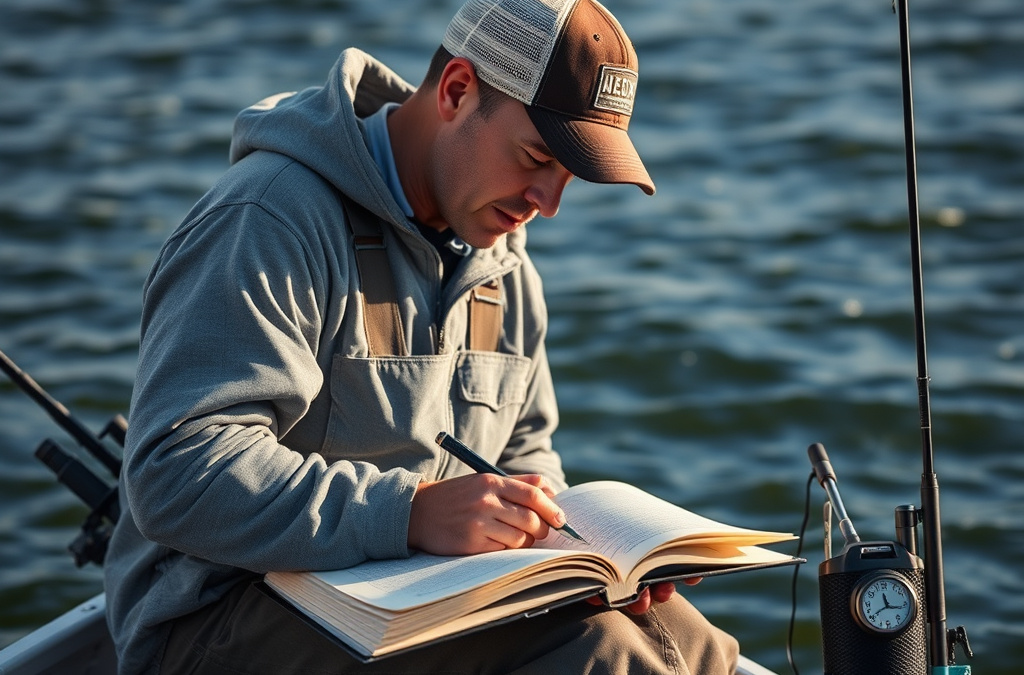
Creating an effective fishing journal involves systematically documenting your fishing experiences, including locations, conditions, and catches. Begin by noting the date, time, and weather conditions to identify patterns over time. Include details about bait used, fish species caught, and any notable occurrences. This practice enhances your fishing strategy and helps you learn from past experiences, ultimately increasing your success on the water.
Why Keep a Fishing Journal?
Keeping a fishing journal is essential for any angler looking to improve their skills and strategies. By documenting each fishing trip, you can analyze patterns, track seasonal changes, and identify which techniques yield the best results. This not only enhances your fishing success but also deepens your understanding of fish behavior and environmental factors influencing their activity.

One of the main benefits of maintaining a fishing journal is the ability to reflect on past experiences. Analyzing what worked and what didn’t can lead to smarter choices on future outings. For instance, if you notice that certain bait works better during specific times of the year, you can adjust your strategies accordingly. Additionally, tracking environmental conditions such as water temperature and weather patterns can help you anticipate fish behavior.
What to Include in Your Fishing Journal
To create a comprehensive fishing journal, it’s important to include specific details from each trip. Start with basic information such as:
- Date: Document the day of your fishing trip.
- Location: Note the specific body of water and any relevant landmarks.
- Weather Conditions: Record temperature, cloud cover, wind direction, and any precipitation.
- Time: Note the time you started and ended your fishing session.
- Bait and Tackle Used: List the bait types and tackle setups employed during your trip.
- Fish Caught: Document the species, size, and quantity of fish caught.
- Observations: Include any noteworthy occurrences, such as other wildlife sightings or unusual water conditions.
Including these elements will provide you with a wealth of information to refer back to, making it easier to refine your techniques over time.
How to Organize Your Journal Effectively
Organization is key to making your fishing journal useful. Depending on your preference, you can choose a physical notebook or a digital format. If you opt for a digital journal, consider using apps or spreadsheets that allow for easy sorting and searching.
Here are some tips for organizing your journal effectively:
- Consistent Format: Use a consistent format for each entry to make it easy to compare trips. You might consider a template that includes all the factors mentioned earlier.
- Categories: Organize entries by categories such as location or season to quickly identify patterns.
- Visual Elements: If you enjoy photography, include pictures of your catches or the scenery, as they can enhance your memories and provide context for your notes.
- Review Regularly: Set aside time to review your journal periodically to identify trends and adjust your fishing strategies accordingly.
By maintaining a well-organized journal, you’ll be able to access your data quickly and easily, allowing for more effective analysis of your fishing habits.

Common Mistakes to Avoid When Journaling
While keeping a fishing journal is beneficial, there are common pitfalls to avoid. Here are some mistakes that can undermine the effectiveness of your journal:
- Inconsistency: Failing to make regular entries can lead to gaps in your records, making it harder to spot trends.
- Vagueness: Being too general in your entries can obscure important details. Ensure your notes are specific and detailed.
- Neglecting to Review: Not reviewing your journal regularly means missing valuable insights that could inform your future fishing trips.
- Forgetting Context: Always include the context of your fishing trips. Documenting details like water clarity or recent weather events can provide valuable context when analyzing your notes later.
Avoiding these mistakes will help you make the most of your fishing journal, ensuring it becomes a valuable tool in your angling toolkit.
Further Reading
For more information on fishing techniques and strategies, consider exploring resources from local fisheries, angling clubs, or recognized fishing publications.
Authoritative Sources
- NOAA Fisheries
fisheries.noaa.govThis site provides valuable insights into fish species and their habitats, which can enhance your understanding of fishing conditions
- Bass Pro Shops
basspro.comBass Pro offers a wealth of articles and guides on various fishing techniques and equipment
- Field & Stream
fieldandstream.comField & Stream covers a range of fishing topics, providing expert advice and insights for anglers

