
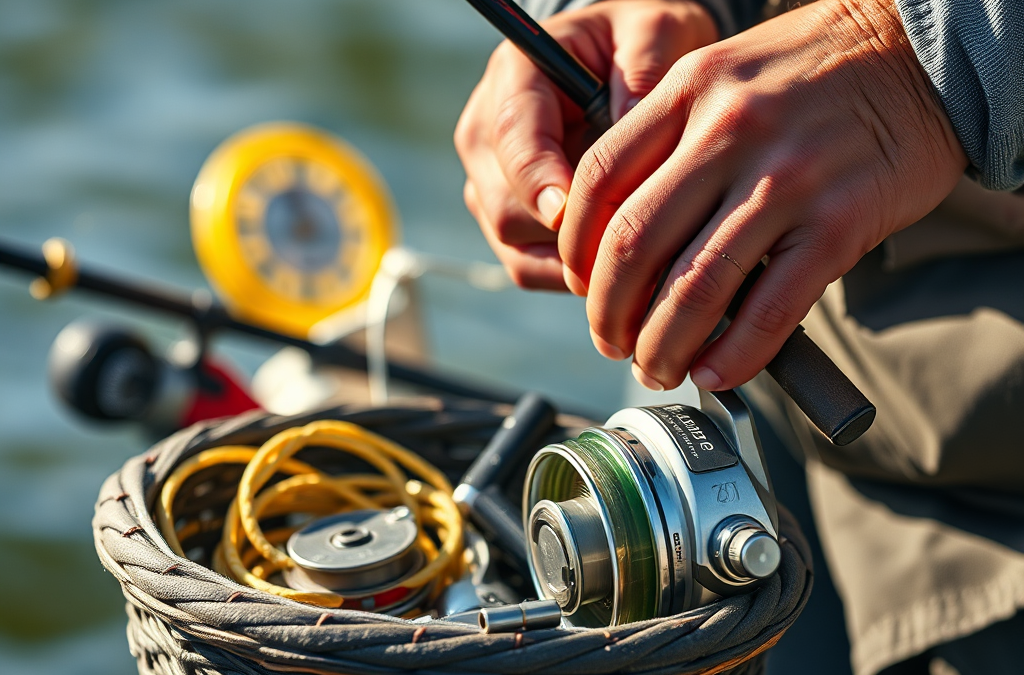
To maintain fishing gear for long-term use, it is essential to clean and store your equipment properly, regularly inspect for wear and tear, and lubricate moving parts. After each outing, rinse rods and reels with freshwater to eliminate salt and debris, which can lead to corrosion. Store your gear in a cool, dry place, using protective cases to prevent damage and tangling. A common mistake is neglecting to dry gear thoroughly before storage, which can result in rust and mildew. By following these steps, you can significantly extend the lifespan of your fishing equipment and ensure optimal performance on your next trip.
Regular Cleaning and Maintenance
Cleaning your fishing gear after each use is crucial for its longevity. Saltwater, dirt, and other debris can cause corrosion and damage over time. Rinse your rods, reels, and lines with freshwater to remove salt and grime. For reels, disassemble them according to the manufacturer’s instructions, clean the parts with a soft brush, and dry them thoroughly. For rods, a gentle wipe with a damp cloth suffices. Regular maintenance not only keeps your gear in good condition but also enhances your fishing experience by ensuring that everything functions smoothly.

Common mistakes include neglecting to clean gear after every outing or using harsh chemicals that can damage the finish. Instead, opt for mild soaps and soft brushes to avoid scratches. Remember that proper cleaning is a proactive measure that can save you from costly repairs or replacements.
Proper Storage Techniques
Storing your fishing gear correctly can significantly extend its lifespan. After cleaning, ensure that all components are completely dry before storing them away. Use rod racks or cases to keep rods straight and prevent them from bending or breaking. Reels should be stored in a cool, dry place, away from direct sunlight, which can cause materials to degrade.
Consider using protective cases for your tackle and lures to avoid tangling and damage. A common pitfall is storing gear in damp or humid environments, which can lead to rust and mildew. Instead, choose a climate-controlled area in your home or garage for storage.
Inspecting for Wear and Tear
Regular inspections of your fishing gear can identify potential problems before they become serious. Check your lines for frays, knots, or weak spots, as these can lead to lost catches. Inspect your rods for cracks or splinters, which can drastically affect performance. Reels should be checked for smooth operation; listen for unusual noises that might indicate internal issues.
One common oversight is ignoring minor damage, believing it will not affect performance. However, even small issues can escalate, leading to more significant failures during a fishing trip. Make it a habit to inspect your gear before and after each fishing trip, ensuring everything is in optimal condition.
Lubrication of Moving Parts
Lubricating moving parts of your fishing gear is essential for maintaining smooth operation and preventing corrosion. Use a recommended lubricant for reels, applying it to gears, bearings, and other moving components. Be cautious not to over-lubricate, as excess oil can attract dirt and debris, leading to more issues.
A frequent mistake is using the wrong type of lubricant, which can damage the equipment. Always refer to the manufacturer’s guidelines for the appropriate products. Lubrication should be performed at least once per season, or more frequently if you fish often, to keep everything functioning correctly.
Frequently Asked Questions
How often should I clean my fishing gear?
Clean your fishing gear after every use to prevent corrosion and damage from saltwater and debris.
What is the best way to store fishing rods?
Store fishing rods vertically in a rod rack or case to prevent bending and damage.
How can I tell if my fishing line is worn out?
Look for frays, knots, or discoloration on the line, which indicate it's time for a replacement.
What type of lubricant should I use on my fishing reel?
Use a lubricant specifically designed for fishing reels, following the manufacturer's recommendations.
Can I use any cleaner on my fishing gear?
No, use mild soaps and soft brushes to avoid damaging the finish of your fishing gear.
Further Reading
Authoritative Sources
- Fishing World
fishingworld.comA comprehensive resource for fishing gear maintenance tips and best practices
- Angler's Guide
anglers.comDetailed guides on caring for different types of fishing gear
- Fishing Safety
fishingsafety.orgInformation on safe storage and maintenance practices for fishing gear
Conclusion
Maintaining your fishing gear for long-term use is essential for ensuring it remains in optimal condition and performs well. Regular cleaning, proper storage, and routine inspections are crucial practices that can prevent costly repairs and enhance your fishing experience. Prioritize these maintenance steps to enjoy many successful fishing trips with reliable equipment.

