
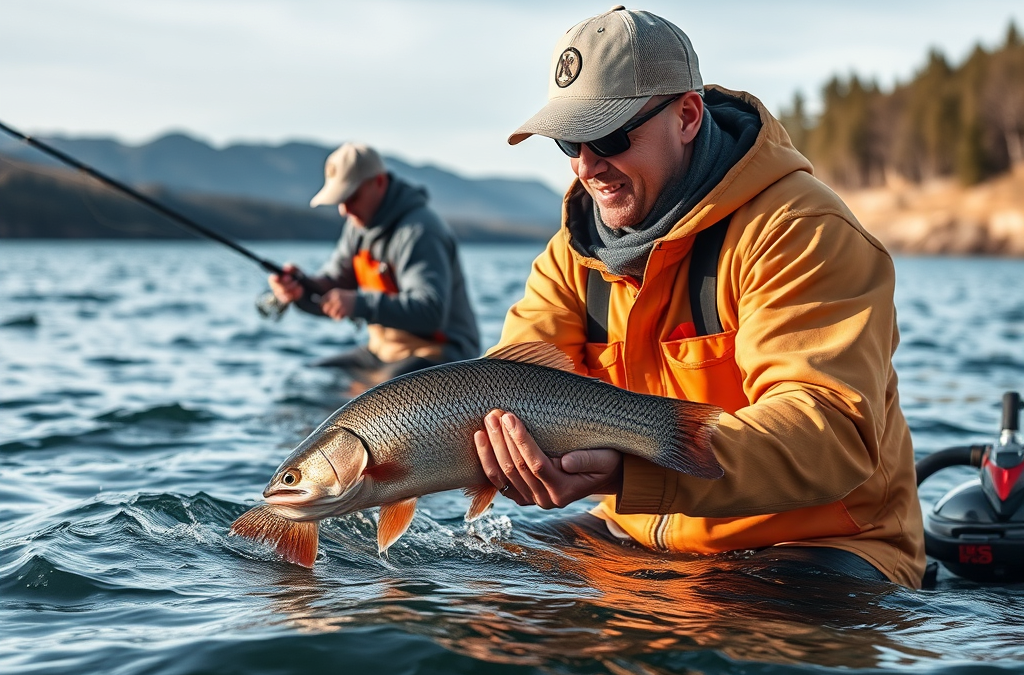
Water temperature significantly influences fishing success by affecting fish behavior and feeding patterns. As temperatures rise, fish become more active and likely to feed, while cooler waters can cause them to become sluggish. Anglers should pay attention to optimal temperature ranges for specific species; for example, trout thrive in cooler waters between 50°F and 65°F, whereas bass prefer warmer temperatures around 70°F to 85°F. By adjusting fishing techniques and locations based on these temperature preferences, anglers can enhance their chances of a successful catch. Additionally, being aware of seasonal temperature changes can help identify the best times to fish for different species.
Understanding Water Temperature Effects
Water temperature plays a crucial role in determining the success of fishing trips. Fish are ectothermic creatures, meaning their body temperature is regulated by the surrounding water. As such, their metabolic rate, behavior, and feeding patterns are greatly influenced by the temperature of the water they inhabit. When water temperatures rise, fish tend to become more active, often leading to increased feeding opportunities for anglers. Conversely, lower temperatures can lead to lethargic behavior, making fish less likely to bite.

Temperature fluctuations can also affect the distribution of fish species. For example, many species prefer specific temperature ranges, which can lead them to seek out deeper or shaded areas during warmer months. Understanding how different species react to temperature changes allows anglers to adjust their techniques accordingly, enhancing their chances of a successful catch.
Optimal Temperature Ranges for Different Species
Different fish species thrive in varying temperature ranges, which impacts their feeding habits and habitat preferences. For instance, species like trout and salmon prefer cooler waters, often ranging from 50°F to 65°F (10°C to 18°C). In contrast, warm-water species such as bass and catfish are more active in temperatures between 70°F and 85°F (21°C to 29°C).
During seasonal changes, it is essential for anglers to understand these preferences. For example, in spring, as water temperatures begin to rise, cold-water species may move into shallower areas for spawning, while warm-water species become more active as they emerge from winter dormancy. Knowing these patterns allows anglers to target fish more effectively during different times of the year.
Strategies for Fishing in Varying Temperatures
Adapting fishing strategies based on water temperature is vital for maximizing success. When temperatures are on the cooler side, anglers should consider using slower presentations, such as bottom fishing or using live bait, to entice less active fish. Conversely, during warmer days, faster retrieves with lures or topwater baits can trigger aggressive feeding behavior.
Additionally, anglers should pay attention to time of day. Early mornings and late evenings often yield better results in warmer months, as fish are more active during these cooler periods. Monitoring water temperature throughout the day can also provide insights into when fish are likely to bite, allowing anglers to adjust their tactics accordingly.
Common Misconceptions About Temperature and Fishing
One common misconception is that fish will always be active in warmer water. While it’s true that warmer temperatures can lead to increased activity, factors like oxygen levels and water quality also play significant roles. High temperatures can reduce oxygen levels, leading to stress for fish and decreased feeding.
Another misconception is that fish will only bite at certain times of the day based solely on temperature. While temperature does influence feeding patterns, other factors like light conditions, weather, and lunar phases can also affect fish behavior. Anglers should consider these elements in conjunction with water temperature to optimize their fishing success.
For those interested in exploring more about the impact of water temperature on fishing success, consider checking out resources from local fisheries departments or reputable fishing organizations. Understanding local ecosystems and seasonal changes can greatly enhance fishing experiences.

Frequently Asked Questions
How does water temperature affect fish behavior?
Water temperature influences fish metabolism and activity levels, with warmer temperatures generally leading to increased feeding and movement.
What is the ideal water temperature for fishing?
The ideal water temperature varies by species; for example, trout prefer 50°F to 65°F, while bass thrive at 70°F to 85°F.
Can fish still be caught in cold water?
Yes, fish can still be caught in cold water, but anglers may need to adjust their techniques, using slower presentations and targeting specific locations where fish are more active.
What time of day is best for fishing in warmer temperatures?
Early mornings and late evenings are often best for fishing in warmer temperatures, as fish are more active during these cooler parts of the day.
How can I monitor water temperature while fishing?
Anglers can use portable thermometers or electronic fish finders equipped with temperature sensors to monitor water temperature while fishing.
Further Reading
Authoritative Sources
- Library of Congress Research Guides
guides.loc.govResearch guides that help readers locate reliable background sources on a wide range of subjects
- USA.gov Official Information and Services
usa.govOfficial U.S. government information and public resources for practical reference
- Google Scholar
scholar.google.comAcademic search resource for finding research literature and source material

