
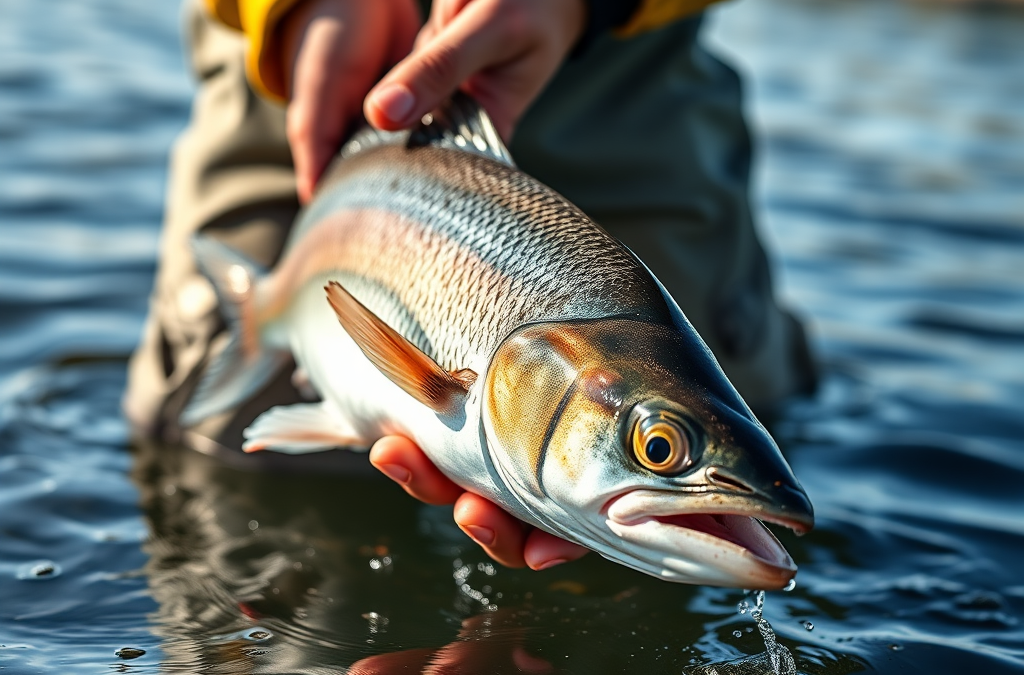
To handle fish properly and ensure their survival, it is crucial to minimize stress and injury during the catch and release process. Use wet hands or gloves to avoid removing the fish's protective slime, and handle them gently to prevent damage to their bodies. Additionally, keep the fish in water as much as possible, and use tools like a landing net to reduce harm. Following these practices can significantly increase the likelihood of a fish's survival after being caught.
Understanding Fish Physiology and Stress
Fish are sensitive creatures that experience stress in various ways, particularly when caught. Their physiology is designed for life in water, and any disruption can lead to adverse effects on their health. Stress can impact a fish’s ability to swim, feed, and reproduce. Understanding how fish react to being caught is essential for minimizing stress and ensuring their survival.

When a fish is caught, it undergoes physiological changes, including increased levels of cortisol, a hormone associated with stress. High stress levels can lead to mortality, especially in species that are more sensitive, such as trout and bass. To mitigate these stress responses, anglers must be knowledgeable about the proper techniques for handling fish.
For example, holding a fish out of water for too long can lead to suffocation, as fish gills need water to extract oxygen. Moreover, exposure to air can dry out their skin and damage their sensitive membranes. Therefore, understanding these physiological responses is crucial for anglers aiming to promote fish survival.
Best Practices for Catch and Release
To effectively handle fish and enhance their chances of survival post-catch, anglers should follow best practices for catch and release. First, it is essential to keep the fish in the water as much as possible during the handling process. This helps keep the fish moist and minimizes stress.
When lifting a fish from the water, use a landing net designed to minimize injury. Avoid using metal nets, which can harm a fish’s skin and scales. Instead, opt for rubber or soft mesh nets that are more forgiving. Once the fish is out of the water, handle it gently and avoid squeezing it, as this can cause internal injuries.
Additionally, wetting your hands before touching the fish can help preserve its protective slime layer, which is essential for its health. The slime layer acts as a barrier against infections and parasites. If the fish must be held for a photo, do so quickly and return it to the water as soon as possible.
Lastly, choosing the right time to fish can also influence survival rates. Fishing during cooler parts of the day, such as early morning or late evening, can reduce stress on fish, especially during warmer months.
Common Mistakes When Handling Fish
Many anglers inadvertently make mistakes that can jeopardize fish survival. One of the most common errors is keeping fish out of the water for extended periods. Even a few seconds can be detrimental to certain species, particularly those sensitive to stress.
Another mistake is using improper handling techniques. Grabbing a fish by the gills or squeezing it tightly can cause serious injuries. Additionally, failing to wet hands before handling a fish can strip away its protective slime, increasing its vulnerability to disease.
Not using the right tools can also lead to mistakes. For instance, using a hook that is too large or too small can harm the fish during removal. Always ensure that the tackle used is appropriate for the size and species of fish you are targeting.
Tools and Techniques for Safe Handling
Equipping yourself with the right tools can make a significant difference in how you handle fish. A quality landing net is paramount; opt for nets with rubberized mesh to reduce the risk of injury. Additionally, consider using fish grips or lip grippers, which allow you to hold fish securely without damaging their mouths.

Hooks, barbless hooks are a great choice for catch and release, as they reduce the injury to fish when being removed. If you must use barbed hooks, ensure that you have a hook removal tool handy to minimize handling time.
Lastly, always have a pair of pliers or forceps available to help with hook removal. This minimizes the time the fish is out of water and reduces the risk of injury. Remember to practice quick and efficient handling techniques to increase the chances of survival for the fish you catch.
Frequently Asked Questions
What is the best way to hold a fish?
The best way to hold a fish is to support its body gently, either by holding it horizontally or using a landing net to minimize stress and injury.
How long can a fish survive out of water?
Most fish can survive only a few seconds to a couple of minutes out of water, depending on the species, so it is crucial to limit handling time.
Why is fish slime important?
Fish slime acts as a protective barrier against infections and parasites, so preserving it during handling is vital for the fish's health.
What tools should I use for catch and release?
Use a rubberized landing net, barbless hooks, and pliers or forceps for hook removal to ensure safe handling during catch and release.
How can I tell if a fish is stressed?
Signs of stress in fish include erratic swimming, gasping at the surface, and lethargy. Minimizing handling time can help reduce stress.
Further Reading
Authoritative Sources
- NOAA Fisheries
fisheries.noaa.govThis resource provides comprehensive information about sustainable fishing practices and fish handling techniques that promote survival
- California Department of Fish and Wildlife
wildlife.ca.govOffers guidelines on ethical fishing practices and the importance of fish care during catch and release
- Association of Fish and Wildlife Agencies
fishwildlife.orgFeatures articles on fish handling, species conservation, and best practices for anglers
Conclusion
Handling fish properly is essential for ensuring their survival after catch and release. By understanding fish physiology, following best practices, and avoiding common mistakes, anglers can significantly improve the chances of fish survival. Remember to use appropriate tools and techniques, and always prioritize the well-being of the fish. As stewards of the aquatic environment, anglers play a critical role in maintaining fish populations for future generations.

