
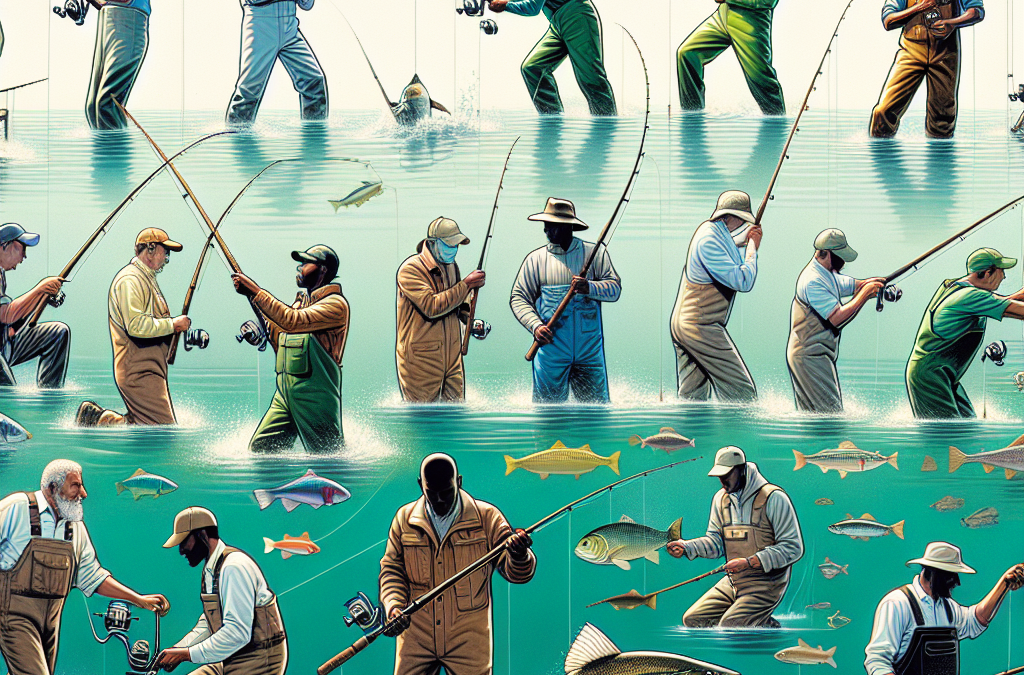
For example, some species are more active during specific times of the day or under certain weather conditions. Failing to consider these factors can lead to disappointing fishing trips.
Identifying the fish species in your local waters is the first step to successful fishing. Failing to consider these factors can lead to disappointing fishing trips.
Understanding Local Fish Species
Identifying the fish species in your local waters is the first step to successful fishing. Different species have unique behaviors, habitats, and feeding patterns. For instance, bass tend to be more active during warmer months, while trout prefer cooler waters. Familiarizing yourself with these characteristics allows you to tailor your approach effectively.

A common pitfall is not adapting your strategy based on the species you aim to catch. Research local fishing forums, consult with experienced anglers, or visit local bait shops to gather information about the predominant species and their habits. This knowledge will help you make informed decisions about where and when to fish.
Selecting the Right Bait
Choosing the right bait is crucial for attracting fish. Live bait, such as worms or minnows, often yields better results than artificial lures, especially for beginners. However, some fish respond well to specific lures, which can be effective in certain conditions.
Consider the dietary preferences of the species you are targeting. Research what types of food they typically consume and match your bait accordingly. Additionally, be aware of how seasonal changes affect fish diets; for instance, during spawning seasons, fish might prefer different types of bait. A common mistake is using the wrong bait or not changing it when it’s ineffective, which can waste valuable fishing time.
Effective Fishing Techniques
Employing the right fishing techniques can significantly enhance your chances of a successful catch. Techniques vary widely, from fly fishing to trolling, and each has its advantages depending on the conditions and species targeted. Understanding the mechanics of your chosen technique is important for maximizing effectiveness.
Practice makes perfect; the more you fish, the better you will understand how to adapt your techniques based on conditions. Additionally, pay attention to your surroundings, such as water temperature and current, as these factors can influence fish behavior. A common mistake is sticking to one method without considering alternatives that might work better under changing conditions.
Essential Fishing Gear
Having the right gear is fundamental to fishing success. Your choice of rod, reel, line, and tackle should align with the type of fish you are targeting and the fishing environment. For example, lighter gear is typically better for smaller fish, while heavier gear is necessary for larger species.
Moreover, ensure that your tackle is appropriate for the conditions—using the right hooks, weights, and floats can make a significant difference. A common error is underestimating the importance of quality gear; investing in reliable equipment can improve your fishing experience and results. Always check your gear before heading out to avoid any last-minute issues.
For those looking to deepen their understanding of fishing techniques and species behavior, consider exploring local fishing guides, educational resources from wildlife agencies, or online fishing communities. These resources can provide valuable insights and updates on local fishing conditions and regulations.

Further Reading
Authoritative Sources
- Library of Congress Research Guides
guides.loc.govResearch guides that help readers locate reliable background sources on a wide range of subjects
- USA.gov Official Information and Services
usa.govOfficial U.S. government information and public resources for practical reference
- Google Scholar
scholar.google.comAcademic search resource for finding research literature and source material
Frequently Asked Questions
What is the best time to catch fish?
The best time to catch fish often depends on the species and local conditions, but early morning and late afternoon are generally productive.
How do I know what bait to use?
Research the dietary habits of the fish species you are targeting and use bait that matches their preferences.
What equipment do I need for fishing?
Essential equipment includes a fishing rod, reel, line, hooks, and appropriate tackle based on your target species.
Can I fish without a license?
Fishing without a license is illegal in many areas. Always check local regulations before fishing.
What should I do if I catch a fish?
If you catch a fish, decide whether to keep it or release it based on local regulations and your needs. Handle fish carefully to ensure their survival if releasing.
Conclusion
To successfully catch fish using basic knowledge, focus on understanding the local species, selecting the right bait, and employing effective techniques. Always prioritize researching local conditions and adapting your approach based on the species you are targeting. Remember, preparation and knowledge are key to increasing your success on the water, so take the time to learn and adapt your strategies for the best results.
Related Content
- Dolphin (Mahi Mahi) Featured on This Week's Chevy Florida Insider Fishing Report
- The Deadly Effectiveness of Underrated Baits
- The Ultimate Guide to Trout Fishing: Tips and Techniques for Success
- $$ Steelhead Fishing Tips $$ – YouTube
- Doug 'Mac the Naw' Busey's Lake Tahoe and Sierra fishing report: Remembering a great angler …

