
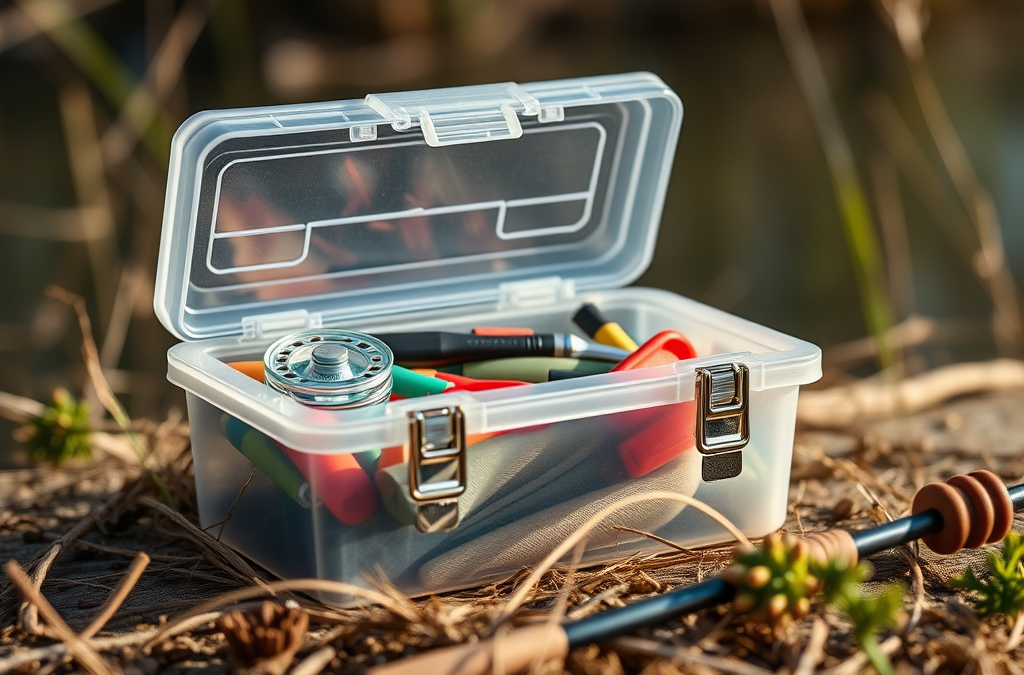
Choosing the best tackle box for your needs involves assessing your fishing style, the type of tackle you use, and the storage capacity required. Consider features like waterproofing, portability, and organizational compartments, as these can enhance your fishing experience. A well-chosen tackle box not only protects your gear but also allows for efficient access and transport, making your time on the water more enjoyable and productive.
Understanding Different Tackle Box Types
Tackle boxes, understanding the different types available is essential for making an informed choice. Tackle boxes generally fall into several categories: traditional hard-sided boxes, soft-sided bags, and specialized tackle systems. Each type has its own advantages and disadvantages, depending on your fishing needs and preferences.

Hard-sided tackle boxes offer durability and often come with dividers that help keep your tackle organized. They are ideal for anglers who prefer a structured setup and need to protect their gear from damage. On the other hand, soft-sided tackle bags are lightweight and more flexible, making them easier to transport. They often have multiple pockets and compartments, allowing for customized organization.
Specialized tackle systems, such as those designed for specific types of fishing (like fly fishing or saltwater fishing), can provide tailored features that enhance your fishing experience. For example, a fly fishing tackle box might include foam inserts for storing flies securely. Understanding these options will help you choose a tackle box that aligns with your fishing style.
Key Features to Consider
When selecting a tackle box, several key features should be considered to ensure it meets your needs. First, waterproofing is crucial for protecting your gear from moisture and the elements. Look for boxes made from materials that are resistant to water or those that come with waterproof seals.
Next, consider the number and type of compartments. A tackle box with adjustable dividers allows you to customize the space according to your tackle. This flexibility can be especially useful when you have different types of lures, hooks, and lines that require various storage solutions.
Portability is another important feature. If you frequently move from one fishing location to another, a tackle box with a comfortable handle or shoulder strap will make transportation easier. Additionally, consider the weight of the tackle box when filled with gear, as a lightweight option may be more suitable for long treks.
Assessing Size and Portability
Choosing the right size tackle box is crucial for convenience and efficiency during fishing trips. The size should reflect the amount of gear you typically carry. A larger box may seem appealing for its capacity, but if it becomes cumbersome to transport, it can detract from your fishing experience.
When assessing portability, consider how you plan to transport your tackle box. If you often hike to remote fishing spots, a compact and lightweight option will be beneficial. Conversely, if you primarily fish from a boat or vehicle, a larger box that can hold more tackle may be more appropriate.
It’s also worthwhile to think about how the tackle box will fit into your overall fishing setup. Ensure it can be easily stored in your vehicle or boat without taking up too much space. Taking these factors into account will help you find a balance between size and portability.
Organizational Strategies for Your Tackle Box
Effective organization within your tackle box can significantly enhance your fishing experience. Start by categorizing your tackle based on type, such as lures, hooks, and tools. Utilize smaller boxes or containers within the tackle box for smaller items, which can prevent them from getting lost or tangled.
Labeling compartments can also improve accessibility, allowing you to quickly find what you need without rummaging through the entire box. Regularly cleaning and reorganizing your tackle box will help maintain order and ensure that you have the right gear ready for your fishing trips.

Consider using a checklist of essential items to keep track of what you have and what you need to restock. This proactive approach to organization will save time and frustration during your fishing outings, ensuring that you are well-prepared.
For those looking to deepen their understanding of tackle boxes and fishing gear, consider exploring resources from reputable fishing organizations or tackle manufacturers. They often provide insights into the latest products and organizational strategies that can enhance your fishing experience.
Frequently Asked Questions
What is the best material for a tackle box?
Durable plastic or aluminum are popular choices as they provide protection against moisture and impact.
How do I clean my tackle box?
Use mild soap and water to clean the interior and exterior, ensuring all compartments are free of dirt and debris.
Can I customize my tackle box?
Many tackle boxes come with adjustable dividers, allowing you to customize the layout to suit your tackle needs.
How often should I reorganize my tackle box?
It's advisable to reorganize your tackle box at least once a season or after significant fishing trips to keep it manageable.
What size tackle box do I need?
The size of your tackle box should depend on the amount of gear you typically carry and your fishing habits.
Further Reading
Authoritative Sources
- Library of Congress Research Guides
guides.loc.govResearch guides that help readers locate reliable background sources on a wide range of subjects
- USA.gov Official Information and Services
usa.govOfficial U.S. government information and public resources for practical reference
- Google Scholar
scholar.google.comAcademic search resource for finding research literature and source material
Conclusion
Choosing the best tackle box for your needs is vital for enhancing your fishing experience. By understanding the different types of tackle boxes, key features to consider, and effective organizational strategies, you can select a box that not only protects your gear but also provides easy access and transport. Prioritize your fishing style and the specific requirements of your tackle to make an informed decision that will serve you well on the water.

