
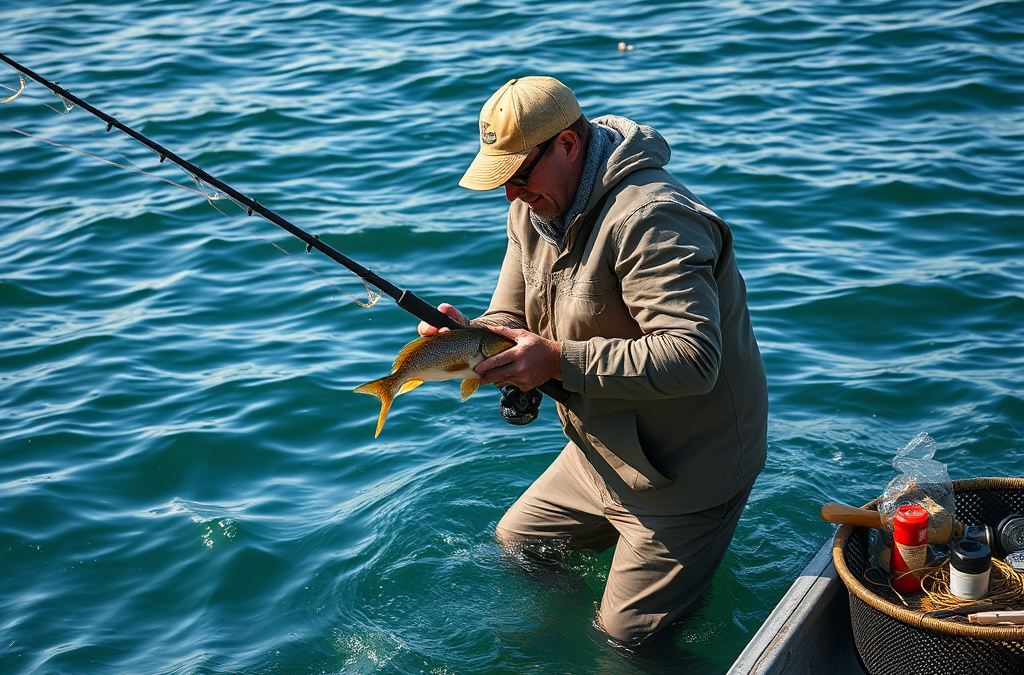
Fishing sustainably in local waters requires a commitment to environmentally friendly practices and community involvement. Anglers should prioritize catch-and-release techniques to support fish populations and utilize gear that minimizes bycatch, such as circle hooks. It's essential to adhere to local regulations regarding catch limits and seasonal restrictions, which protect aquatic ecosystems. Additionally, participating in local conservation efforts fosters a sense of community and enhances the sustainability of fishing practices, ensuring that future generations can enjoy healthy fish populations.
Understanding Sustainable Fishing Practices
Sustainable fishing practices prioritize the health of aquatic ecosystems while allowing for recreational and commercial fishing. This approach is essential to prevent overfishing, maintain biodiversity, and ensure that fish populations remain viable for future generations. Sustainable fishing not only protects the environment but also supports local economies and communities that depend on these resources.

One major aspect of sustainable fishing is the concept of catch-and-release, which involves returning fish to the water after capture. This practice helps maintain fish populations and allows anglers to enjoy the sport without depleting resources. Additionally, using gear designed to minimize bycatch—such as circle hooks or barbless hooks—can significantly reduce the impact on non-target species.
Another critical element is the adherence to local fishing regulations, which are designed to protect fish populations and their habitats. These regulations often include limits on catch sizes, seasonal closures, and protected species. Understanding and following these rules is vital for practicing sustainable fishing.
Techniques for Sustainable Fishing
Utilizing sustainable fishing techniques involves a combination of methods that reduce environmental impact and enhance the health of fish populations. One of the most effective techniques is using bait that is less harmful to the ecosystem. For instance, using natural bait instead of artificial lures can minimize plastic waste and promote a healthier aquatic environment.
Another technique is to fish in areas where fish populations are abundant and healthy, such as designated fishing zones or during peak spawning seasons. This approach not only increases the likelihood of a successful catch but also helps maintain balance in local ecosystems. Anglers should also consider the time of day when fishing; early mornings and late afternoons are often more productive and can help reduce stress on fish populations.
Moreover, practicing selective fishing—targeting specific species and sizes—can help ensure that only sustainable catches are made. This technique prevents overfishing of vulnerable species and allows smaller fish to mature and reproduce, contributing to the overall health of the fishery.
The Role of Local Regulations
Local regulations play a critical role in sustainable fishing practices. These laws are established to protect fish populations and their habitats, ensuring that fishing activities do not lead to depletion or ecological damage. Regulations often include guidelines on catch limits, sizes, and fishing seasons, which are based on scientific research and environmental assessments.
Understanding and complying with these regulations is crucial for any angler. Ignoring local rules can lead to legal consequences and harm to fish populations. Furthermore, regulations are often updated based on changing environmental conditions, so staying informed about current laws is essential.
Engaging with local fishing organizations or conservation groups can provide valuable information about regulations and sustainable practices. These groups often hold workshops, provide resources, and advocate for responsible fishing, making them an excellent source of support for sustainable anglers.
Community Engagement and Conservation Efforts
Community engagement is vital for promoting sustainable fishing practices. Local communities can come together to support conservation efforts, such as habitat restoration projects and awareness campaigns about sustainable fishing. Participating in local clean-up events or volunteering for conservation organizations can significantly impact the health of aquatic ecosystems.
Additionally, anglers can advocate for sustainable fishing policies by voicing their support for regulations that protect fish populations. Engaging with local governments and participating in public forums can help shape policies that promote sustainable fishing practices.
Building a community of responsible anglers also fosters a culture of sustainability. Sharing knowledge and experiences among peers can help spread awareness about best practices and the importance of protecting local waters. Social media platforms and local fishing clubs can serve as excellent venues for these discussions.

Frequently Asked Questions
What is sustainable fishing?
Sustainable fishing is the practice of catching fish in a way that maintains fish populations and minimizes environmental impact, ensuring long-term viability.
Why is catch-and-release important?
Catch-and-release helps maintain fish populations by allowing captured fish to return to their habitat, promoting sustainability and biodiversity.
How can I find local fishing regulations?
Local fishing regulations can typically be found through state wildlife agencies or fisheries management organizations, often available online or through local offices.
What are some common mistakes in sustainable fishing?
Common mistakes include ignoring local regulations, overfishing certain species, and using harmful gear that can damage ecosystems.
How can community involvement help sustainable fishing?
Community involvement in conservation efforts can lead to improved habitat health, increased awareness, and stronger advocacy for sustainable fishing policies.
Conclusion
Fishing sustainably in local waters is crucial for preserving aquatic ecosystems and ensuring that future generations can enjoy fishing. By adopting responsible practices, adhering to local regulations, and engaging with the community, anglers can play a significant role in protecting fish populations. Prioritizing sustainable fishing not only benefits the environment but also enhances the overall fishing experience.
Related Content
Further Reading
Authoritative Sources
- Library of Congress Research Guides
guides.loc.govResearch guides that help readers locate reliable background sources on a wide range of subjects.
- USA.gov Official Information and Services
usa.govOfficial U.S. government information and public resources for practical reference.
- Google Scholar
scholar.google.comAcademic search resource for finding research literature and source material.

