
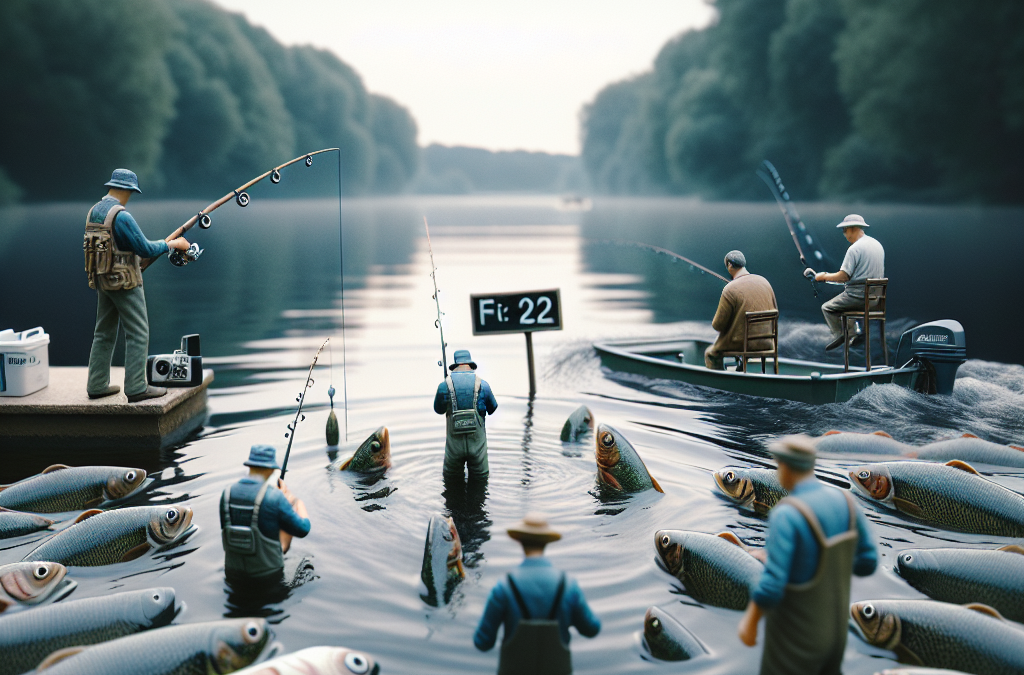
In reality, fish tend to congregate in areas where food is abundant and where they can find shelter. Observing water movement and changes in depth can help you pinpoint these hotspots. For instance, areas with slower currents may hold fish during certain times of day, while faster currents can attract active feeders.
Understanding Water Flow
Water flow is a fundamental aspect of reading water for fishing. It affects fish behavior and their feeding patterns. Fast-moving water often attracts active fish species, while slower currents can be home to more lethargic fish. Observing the direction and speed of the current can provide insights into where fish might be hiding.
Look for areas where the water flows around obstacles, creating eddies or pockets. These spots are often prime locations for fish to ambush prey. Additionally, changes in water flow can signal the presence of fish, especially during feeding times. Pay attention to how fish react to these currents, as it can guide your fishing strategy.

Identifying Structure and Depth
Structure in the water, such as rocks, logs, and vegetation, provides fish with shelter and feeding opportunities. Identifying these structures is crucial for successful fishing. Fish often use these areas to hide from predators and to find food. Depth also plays a key role; deeper areas may hold larger fish, while shallower zones can attract smaller species.
When fishing, use tools like depth finders to measure the water’s depth and locate structures beneath the surface. If fishing from the shore, observe the bank for signs of structure, such as overhanging trees or submerged rocks. These features can significantly improve your chances of making a successful catch.
Reading Surface Indicators
Surface indicators can provide valuable clues about underwater conditions. Look for signs of fish activity, such as jumping fish, ripples, or feeding birds. These indicators often suggest that fish are present and actively feeding. Additionally, observing insect activity on the water’s surface can give insights into what species fish might be targeting.
Pay attention to the time of day as well; fish are often more active during dawn and dusk. By combining surface observations with knowledge of water flow and structure, you can develop a more effective fishing strategy.
Common Mistakes to Avoid
Many anglers overlook the importance of reading water. One common mistake is not adapting to changing conditions. Weather, water temperature, and seasonal changes can all influence fish behavior. Failing to adjust your approach based on these factors can lead to missed opportunities.

Another mistake is focusing solely on depth without considering current and structure. Always evaluate the entire environment when planning your fishing strategy. By avoiding these pitfalls and honing your skills in reading water, you can enhance your fishing experience and success.
Further Reading
Authoritative Sources
- Library of Congress Research Guides
guides.loc.govResearch guides that help readers locate reliable background sources on a wide range of subjects.
- USA.gov Official Information and Services
usa.govOfficial U.S. government information and public resources for practical reference.
- Google Scholar
scholar.google.comAcademic search resource for finding research literature and source material.
Frequently Asked Questions
What are the key indicators for reading water?
Key indicators include current speed, depth, and underwater structure, which all influence fish behavior.
How does water flow affect fish location?
Fish often gather in areas with varying water flow, such as eddies or behind obstacles, where they can find food and shelter.
What structures should I look for when fishing?
Look for rocks, logs, vegetation, and other underwater structures that provide shelter and attract fish.
When is the best time to observe fish activity?
Dawn and dusk are typically the best times to observe fish activity, as they are more likely to be feeding during these hours.
What common mistakes do anglers make when reading water?
Common mistakes include failing to adjust to changing conditions and not considering the relationship between depth, current, and structure.
Conclusion
Successfully reading water for fishing requires a keen understanding of various indicators, including flow, depth, and structure. By honing your observational skills and adapting to changing conditions, you can significantly improve your fishing success. Always be mindful of the environment and adjust your strategies accordingly. With practice and attention to detail, you can become an expert at reading water and enhance your overall fishing experience.

