
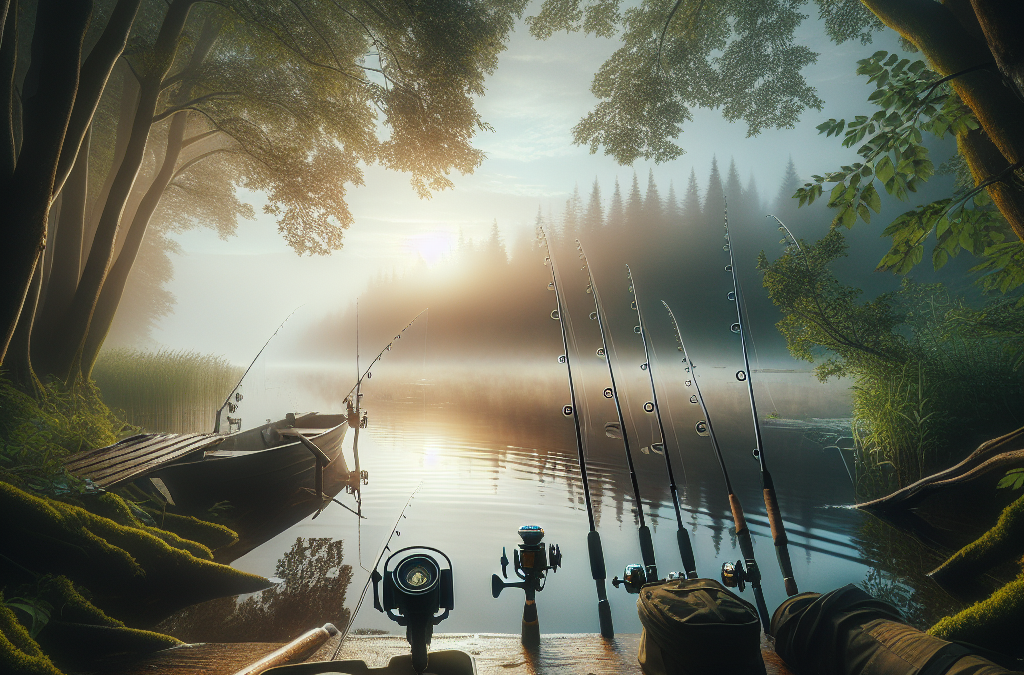
Fishing effectively without experience requires a foundational understanding of the sport, including essential techniques, equipment selection, and location choices. Beginners can increase their chances of success by familiarizing themselves with local fishing regulations, selecting the right bait for the species they target, and practicing casting techniques.
It’s crucial for novice anglers to prioritize learning about their local fishing environment. This includes understanding the types of fish available, their feeding habits, and the best times to fish. Common mistakes include fishing without appropriate licenses, using unsuitable gear, or not researching local fishing spots. These oversights can lead to frustration and wasted time on the water.
Additionally, many new anglers underestimate the importance of preparation. Not having the right gear, such as rods, reels, and tackle, can negatively impact their fishing experience. Beginners should also consider factors like weather conditions and seasonal patterns, which can affect fish behavior. By approaching fishing with a plan and awareness, novices can significantly improve their chances of a successful outing.

Understanding Local Regulations
Before heading out, it’s essential to understand local fishing regulations. These rules dictate what species can be caught, size limits, and seasonal restrictions. Ignoring these regulations can result in fines and negatively impact local fish populations.
New anglers should check with local wildlife agencies or fishing clubs for the latest information. Many resources are available online, including state wildlife websites that provide comprehensive guides on fishing laws. Understanding these regulations not only helps avoid penalties but also contributes to sustainable fishing practices.
Many beginners overlook the significance of catch-and-release practices. Knowing when to keep fish and when to release them can help maintain healthy fish populations. Beginners should prioritize learning about these practices to ensure they fish responsibly.
Selecting the Right Equipment
Choosing the right fishing gear is crucial for success. Beginners should start with a basic rod and reel combo that suits the type of fishing they plan to do, whether it’s freshwater or saltwater. A spinning rod is often recommended for its versatility.
When selecting tackle, consider the species you aim to catch. Different fish require specific hooks, lines, and weights. Beginners should consult local fishing shops or experienced anglers for recommendations on the best gear for their target species.
It’s also important to familiarize oneself with the gear. New anglers often struggle with unfamiliar equipment, leading to frustration. Spending time practicing with the gear can help build confidence and improve overall effectiveness on the water.
Choosing Effective Bait
The choice of bait can significantly affect fishing success. Live bait, such as worms or minnows, is often more effective for beginners than artificial lures. Understanding what fish are feeding on in the area can help in selecting the right bait.
For those new to fishing, it’s advisable to start with a few common bait options. Each species has preferred bait types; for instance, catfish are drawn to strong-smelling baits, while bass may prefer smaller prey. Researching local fishing reports can provide insights into current bait trends.
Many beginners make the mistake of overcomplicating their bait choices. Sticking to a few proven options can simplify the process and lead to better results. Keeping bait fresh and properly stored also enhances effectiveness.
Casting Techniques for Beginners
Effective casting is a fundamental skill for anglers. Beginners should practice basic casting techniques, such as the overhead cast and sidearm cast, to improve accuracy and distance. Proper casting can be the difference between a successful fishing trip and an unproductive one.

When practicing casting, focus on the mechanics of the motion. A smooth, controlled cast is more effective than a forceful one. Beginners often struggle with backlash or tangles, which can be avoided through practice and patience.
Additionally, understanding the fishing environment is crucial. Knowing where to cast—such as near structures or current breaks—can lead to better chances of attracting fish. It’s beneficial for novices to observe experienced anglers and learn from their techniques.
Common Mistakes to Avoid
New anglers frequently make mistakes that hinder their fishing success. Some common errors include not checking weather conditions, neglecting to use the right tackle, and failing to research local fishing spots. Each of these factors can significantly impact the fishing experience.
Another common mistake is fishing during the wrong times. Many species are more active at dawn and dusk, and fishing during these periods can lead to better results. Beginners should consider planning their trips around these peak times.
Moreover, rushing into fishing without adequate preparation often results in frustration. Taking the time to research, gather gear, and understand local conditions can lead to a more enjoyable and productive experience.
Further Reading
For those seeking to deepen their understanding of fishing techniques, local regulations, and species-specific strategies, several resources are available. Check your local wildlife agency’s website for up-to-date information on fishing laws and best practices.
Further Reading
Authoritative Sources
- MedlinePlus
medlineplus.govConsumer-friendly medical and health information from the U.S. National Library of Medicine.
- National Institutes of Health
nih.govResearch-based health information and links to authoritative medical resources.
- Centers for Disease Control and Prevention
cdc.govOfficial public health guidance, prevention resources, and topic-specific recommendations.
- Mayo Clinic
mayoclinic.orgTrusted clinical guidance, symptom explainers, and treatment overviews.
- World Health Organization
who.intGlobal health guidance, fact sheets, and evidence-based public health information.
Frequently Asked Questions
What equipment do I need to start fishing?
Beginners typically need a basic rod and reel combo, tackle including hooks and weights, and bait. A fishing license is also essential.
How do I know where to fish?
Research local fishing spots through online resources, local fishing shops, or by connecting with experienced anglers. Look for areas with good access and known fish populations.
When is the best time to fish?
Early morning and late evening are often the best times to fish, as many species are more active during these periods.
What are the common mistakes beginners make?
Common mistakes include not checking regulations, using inappropriate gear, and failing to research local fishing conditions.
Do I need a fishing license?
Yes, a fishing license is required in most locations to fish legally. Check local regulations for specific requirements.
Conclusion
Fishing effectively without experience is achievable with the right preparation and knowledge. By understanding local regulations, selecting the appropriate equipment, and practicing essential techniques, beginners can enhance their fishing experiences. Avoiding common mistakes and continuously learning about the sport will lead to better outcomes on the water. Focus on preparation, research, and practice to ensure enjoyable and successful fishing trips.

