
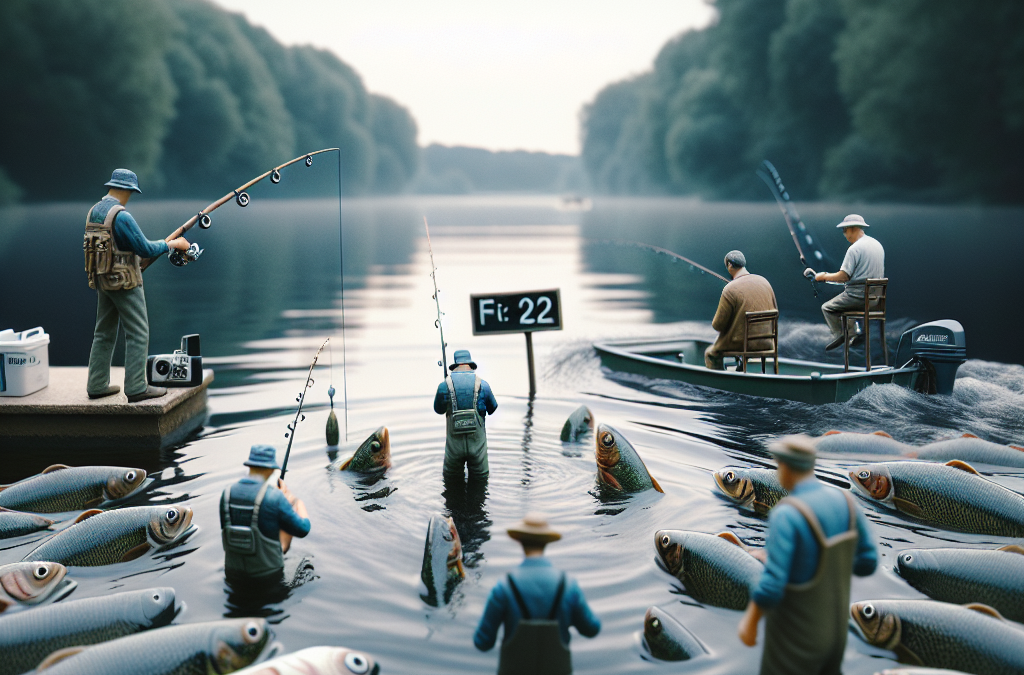
To catch fish without constantly changing spots, focus on understanding fish behavior, using effective bait, and optimizing your techniques. Key factors include observing water conditions, using the right tackle, and employing patience while maintaining your position.
Successful fishing often hinges on the ability to read the environment. Factors such as water temperature, time of day, and seasonal patterns play a significant role in fish activity. By mastering these elements, you can increase your chances of attracting fish to your location rather than moving around aimlessly. Additionally, using appropriate bait that mimics the natural food sources available in the area can significantly improve your results.
One common mistake anglers make is underestimating the importance of stealth and presentation. Fish can be spooked easily, and noisy movements or poor bait presentation can deter them from biting. Therefore, minimizing disturbances in the water and ensuring that your bait is presented in a natural manner are crucial for success. Moreover, understanding the types of fish in your area and their feeding habits can inform your approach, making it easier to attract them without needing to change locations frequently.

Understanding Fish Behavior
Understanding fish behavior is essential for effective fishing. Fish are influenced by various environmental factors, including water temperature, light levels, and food availability. By observing these conditions, you can predict when and where fish are likely to be active. For instance, many fish species tend to feed more aggressively during dawn and dusk, making these times ideal for fishing.
Additionally, recognizing the patterns of specific fish species can enhance your strategy. For example, bass often hide near structures like rocks and vegetation, while trout prefer cooler, flowing waters. By knowing these habits, you can position yourself in the right spots without needing to move around constantly.
Another critical aspect is understanding the influence of seasonal changes. Fish behavior varies significantly with the seasons, impacting their feeding patterns and locations. For instance, during warmer months, fish might move to deeper waters when the surface becomes too warm. Adjusting your approach according to these seasonal shifts can lead to better results.
Effective Bait Choices
Choosing the right bait is crucial for attracting fish to your location. Live bait, such as worms or minnows, often proves effective because it mimics the natural food sources fish encounter in their habitat. However, artificial lures can also be beneficial when selected carefully. Color, size, and movement should all match the local forage.
Consider the specific species you are targeting as well. For example, if you’re fishing for catfish, using strong-scented baits can be more effective. Alternatively, for species like trout, smaller lures that resemble insects may yield better results. Experimenting with different baits while remaining stationary can help you determine what works best without needing to relocate.
Moreover, the presentation of your bait is just as important as the bait itself. Ensure that your bait is presented naturally, as fish are more likely to bite when it looks like a genuine food source. This might involve adjusting the depth at which your bait is fished or the speed at which you retrieve it.
Optimal Fishing Techniques
Employing optimal fishing techniques can significantly improve your chances of success while remaining in one spot. One effective method is to use a slow, steady retrieve when using lures. This mimics the movement of prey and can attract fish more effectively than erratic movements.

Another technique involves using a bobber or float to keep your bait at the desired depth. This allows you to cover a larger area in the water column without having to change your location. Additionally, employing techniques like bottom fishing or trolling can also yield good results while keeping you anchored in a productive spot.
It’s also beneficial to use technology, such as fish finders, to identify fish locations and underwater structures. This can save time and increase your efficiency, allowing you to focus on fishing rather than moving from spot to spot.
Common Mistakes to Avoid
Many anglers make mistakes that hinder their success without realizing it. One common error is not paying attention to weather conditions. Changes in weather can significantly impact fish behavior, and failing to adapt can lead to poor results. For example, fishing just before a storm can often yield great catches as fish become more active.
Another mistake is using the wrong tackle for the species you are targeting. If your gear is not suited for the fish, you may struggle to catch them effectively. Always ensure that your tackle is appropriate for the type of fish you are trying to catch.
Lastly, impatience can lead to unnecessary movements. Many anglers give up on a spot too quickly if they don’t get a bite right away. It’s essential to remain patient and give the fish time to find your bait, especially if you have identified a promising location.
Further Reading
Authoritative Sources
- Ready.gov
ready.govOfficial U.S. preparedness guidance, checklists, and planning resources for households and emergencies.
- FEMA
fema.govFederal emergency management resources, disaster planning information, and recovery guidance.
- American Red Cross Emergency Preparedness
redcross.orgPractical emergency preparation steps, supply lists, and safety guidance for families.
- National Weather Service
weather.govOfficial forecasts, hazard alerts, and weather safety information.
- CDC Emergency Preparedness and Response
cdc.govPublic health guidance for emergencies, disasters, and recovery situations.
Frequently Asked Questions
What is the best time of day to fish without changing spots?
The best times are typically early morning and late afternoon when fish are most active.
How can I tell if a spot is good for fishing?
Look for underwater structures, current patterns, and signs of fish activity like jumping or feeding.
What types of bait work best for stationary fishing?
Live bait like worms or minnows, as well as lures that mimic local prey, are effective choices.
How can I improve my chances of catching fish without moving?
Focus on bait presentation, use appropriate tackle, and be patient while observing fish behavior.
Are there specific techniques for different species?
Yes, tailoring your bait and techniques to the species you are targeting can greatly enhance your success rate.
Related Content
- Registration
- Leclaire Lake Fishing Derby winners announced : suburban journals branding
- The Ultimate Guide to Catching Trophy Trout: Tips from the Pros
- 'Final Fantasy XV' Moogle Chocobo Carnival Guide: Tips and FAQ For Getting Started At Altissia's …
- The Ultimate Guide to Trout Fishing: Tips and Techniques for Success

