
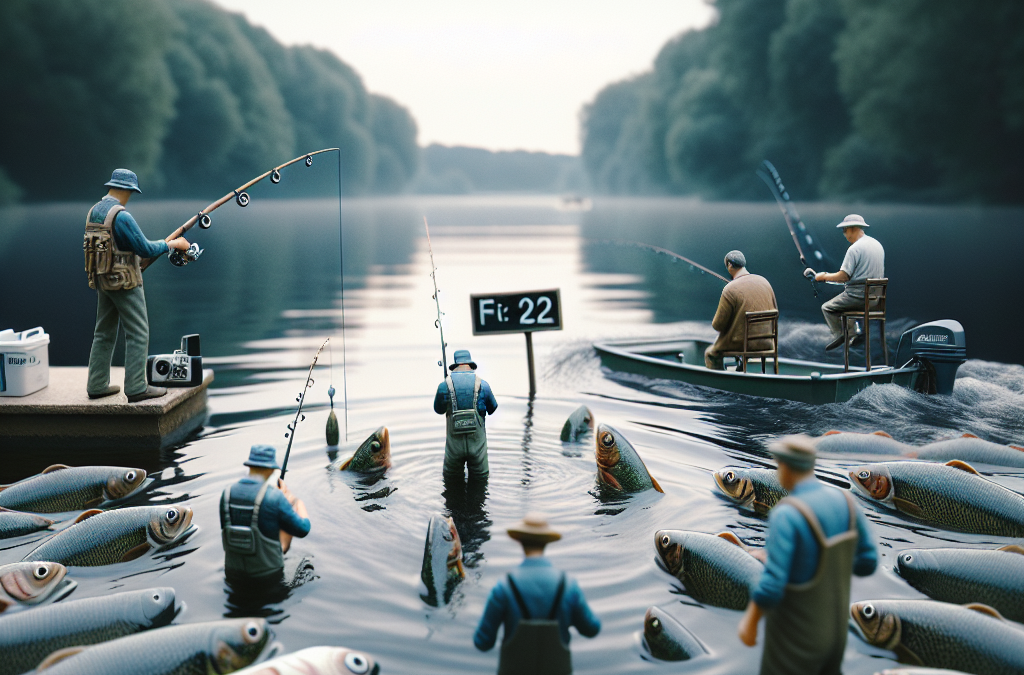
To catch fish using proven techniques, focus on understanding the specific species you’re targeting, their feeding habits, and the best baits or lures for them. Utilize methods such as trolling, bottom fishing, or fly fishing, depending on the environment and conditions.
Successful fishing requires not only the right techniques but also an awareness of environmental factors such as water temperature, weather conditions, and time of day. For instance, fish are often more active during dawn and dusk, making these times optimal for fishing. Additionally, knowing the seasonal patterns of your target species can help you plan your fishing trips effectively.
Common mistakes include using the wrong bait or failing to adjust your technique based on the conditions. For example, using live bait in a catch-and-release area can harm the fish population. Understanding local regulations and ethical practices is crucial to ensure sustainable fishing.

Understanding Fish Behavior
Understanding fish behavior is crucial for successful fishing. Different species have varying feeding habits and preferences, often influenced by environmental factors such as water clarity, temperature, and time of day. For example, bass tend to feed more aggressively in warmer waters and are often found near structures like rocks and vegetation.
Recognizing the signs of fish activity, such as surface disturbances or jumping fish, can also guide your approach. For instance, if you observe fish feeding on the surface, using topwater lures can be particularly effective. Additionally, understanding the seasonal patterns of fish can help you determine the best times to fish for specific species.
Many anglers overlook the importance of adapting their strategies based on fish behavior. For instance, if fish are not biting, changing your location or trying different depths can yield better results. Being observant and flexible is key to improving your catch rate.
Effective Fishing Techniques
There are several effective fishing techniques that can be employed depending on the species and environment. Trolling, for example, is an excellent method for covering large areas of water and targeting species like trout and salmon. It involves dragging baited lines behind a moving boat to entice fish.
Bottom fishing is another technique that can be particularly successful for species like catfish and flounder. This method involves using weights to keep bait close to the bottom where these fish are often found. Fly fishing, on the other hand, is ideal for targeting species like trout in freshwater environments, as it mimics the natural insect prey they feed on.
Each technique has its own set of challenges and considerations. For instance, trolling requires knowledge of boat handling and navigating water currents, while fly fishing demands skill in casting. Understanding the nuances of each method can greatly enhance your fishing effectiveness.
Choosing the Right Bait and Gear
Selecting the right bait and gear is essential for successful fishing. Live bait, such as worms or minnows, is often more effective than artificial lures for many species. However, lures can be beneficial for attracting fish when used correctly. For instance, spinners and crankbaits can be effective for species like bass and pike.
Your gear should also match the species you are targeting. Lighter gear is suitable for panfish, while heavier tackle is necessary for larger species like tarpon or marlin. Additionally, using the right fishing line—monofilament, fluorocarbon, or braided—can affect your catch rate based on visibility and strength.

Many anglers underestimate the importance of gear maintenance. Regularly checking and replacing worn hooks, lines, and lures can prevent lost catches and enhance overall fishing performance. Investing in quality gear tailored to your fishing style can lead to more successful outings.
Common Mistakes to Avoid
Many anglers make common mistakes that can hinder their success. One prevalent error is failing to adapt to changing conditions. For instance, if fish are not biting, it may be necessary to change bait, location, or technique rather than stubbornly sticking to the original plan.
Another mistake is neglecting local regulations regarding fishing seasons and limits. Ignoring these rules can not only harm fish populations but also lead to fines or penalties for anglers. Additionally, many novice fishers overlook the importance of proper catch-and-release techniques, which are vital for maintaining healthy fish populations.
Being aware of these common pitfalls can enhance your fishing experience. By staying informed and adaptable, you can significantly improve your chances of a successful catch.
Further Reading
For additional insights into fishing techniques and species behavior, consider exploring resources from reputable fishing organizations or local wildlife agencies. These sources provide valuable information on best practices and local regulations that can enhance your fishing experience.
Further Reading
Authoritative Sources
- MedlinePlus
medlineplus.govConsumer-friendly medical and health information from the U.S. National Library of Medicine.
- National Institutes of Health
nih.govResearch-based health information and links to authoritative medical resources.
- Centers for Disease Control and Prevention
cdc.govOfficial public health guidance, prevention resources, and topic-specific recommendations.
- Mayo Clinic
mayoclinic.orgTrusted clinical guidance, symptom explainers, and treatment overviews.
- World Health Organization
who.intGlobal health guidance, fact sheets, and evidence-based public health information.
Frequently Asked Questions
What is the best time of day to catch fish?
The best times for fishing are typically early morning and late afternoon when fish are most active.
What bait works best for bass fishing?
Live bait such as worms or minnows, or artificial lures like crankbaits and jigs, are effective for bass fishing.
How can I improve my fishing technique?
Practice casting, learn about fish behavior, and adapt your methods based on conditions to improve your fishing technique.
Are there regulations I should be aware of when fishing?
Yes, regulations vary by location and species, so it’s important to check local fishing laws and guidelines.
What are some common mistakes to avoid while fishing?
Common mistakes include using the wrong bait, not adapting to conditions, and neglecting local fishing regulations.
Conclusion
In summary, catching fish using proven techniques requires a solid understanding of fish behavior, effective methods, and the right gear. By avoiding common mistakes and staying informed about local regulations, you can enhance your fishing success. Prioritize adapting your approach based on environmental conditions and actively engage with your fishing community for ongoing learning. With practice and knowledge, you can become a more effective angler.
Related Content
- The Ultimate 2025 Guide: 7 Powerful Tips on How to Use Fishing Lures
- The Bass Pros features top anglers and best bass fishing tips on TV
- Great Advice For Someone Looking To Go Fishing
- The Ultimate Guide to Fishing Knots for Bass and Trout
- The Ultimate Guide to 15 Effective blue marlin fishing tips for 2025

