
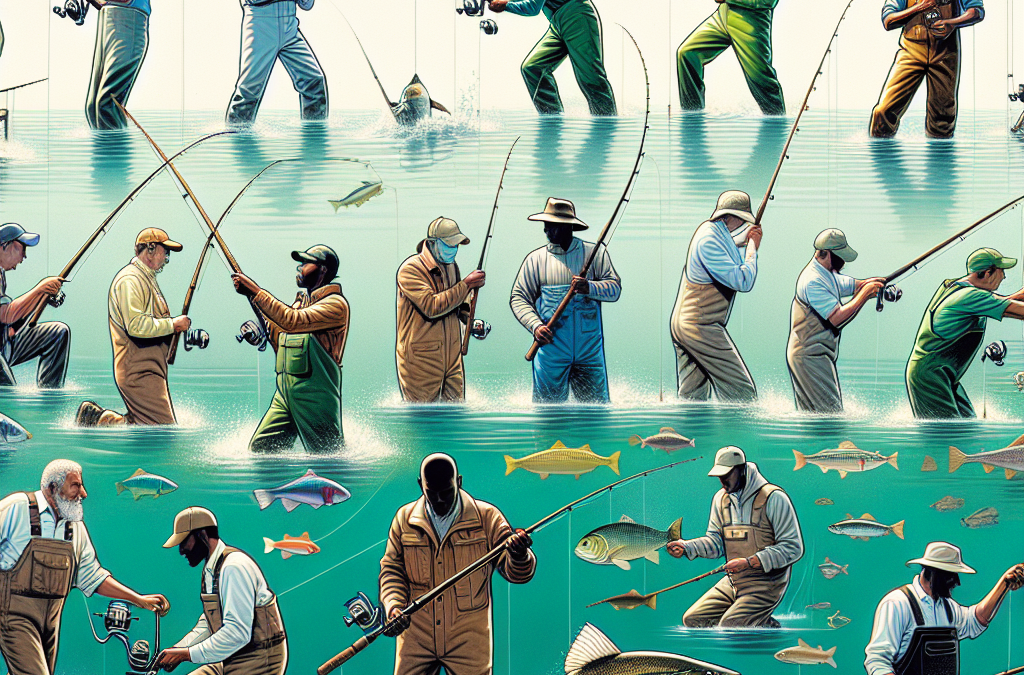
Catching fish using basic knowledge is a rewarding activity that combines skill, patience, and an understanding of aquatic ecosystems. To start effectively, anglers should familiarize themselves with the types of fish in their area, the best bait to use, and the optimal fishing times.
Practical knowledge about fish habitats, seasonal patterns, and feeding behaviors is crucial. For instance, certain fish species are more active during dawn or dusk, while others may prefer deeper waters during warmer months. Additionally, understanding the impact of weather conditions on fish behavior can help you plan your fishing trips more effectively. Mistakes often arise when anglers fail to adapt their strategies to changing conditions or neglect to research local fishing regulations.
Furthermore, it’s vital to equip yourself with the right tools. Basic fishing gear such as rods, reels, and tackle can be sufficient for most fishing scenarios. Investing time in learning how to properly use these tools, along with practicing casting techniques, can make a significant difference in your fishing success. Many beginners overlook how essential proper technique is, leading to missed opportunities.

Understanding Fish Behavior
Fish behavior is influenced by various factors, including water temperature, light levels, and food availability. For example, during spring, many fish species move to shallow waters to spawn, making them more accessible to anglers. Understanding these patterns can help you identify the best times and locations to fish. Additionally, knowing how fish react to different stimuli, such as noise or movement, can improve your chances of a successful catch.
It’s also important to consider the species you are targeting. Different fish have distinct feeding habits and preferences. For instance, predatory fish like bass may respond better to live bait or lures that mimic their natural prey. By researching the behavior of your target species, you can tailor your approach for maximum effectiveness.
Choosing the Right Bait
Selecting the appropriate bait is crucial for attracting fish. Natural baits such as worms, minnows, or insects are often effective, but artificial lures can also yield great results. The choice of bait should depend on the species you are targeting and the fishing conditions. For example, brightly colored lures may work well in murky waters, while more natural tones are better for clear conditions.
Experimenting with different types of bait can help you determine what works best in your fishing environment. Additionally, understanding seasonal preferences can guide your bait selection. For instance, during warmer months, fish may be more inclined to chase faster-moving lures, while in colder months, slower presentations may be more effective.
Essential Fishing Techniques
Basic fishing techniques include still fishing, trolling, and fly fishing, each with its own nuances. Still fishing involves casting your line and waiting for fish to bite, which can be effective in areas where fish are known to congregate. Trolling, on the other hand, involves moving your bait through the water to attract fish, making it ideal for covering larger areas.
Fly fishing requires a different skill set, focusing on casting lightweight lures that mimic insects. Regardless of the technique, practice is key to improving your skills. Many anglers find that refining their casting skills leads to better accuracy and increased success rates. Moreover, paying attention to the environment—such as current flow and underwater structures—can also enhance your technique.

Common Mistakes to Avoid
Even experienced anglers can fall into common pitfalls that hinder their success. One frequent mistake is failing to adapt to changing conditions, such as weather or water levels. For example, fishing during a sudden storm can be less productive, as fish may become less active. Additionally, many anglers overlook the importance of local regulations, which can vary greatly and affect their ability to fish legally and sustainably.
Another common error is not maintaining their gear properly. Regularly checking rods, reels, and lines for wear and tear can prevent equipment failure mid-cast. Understanding these common mistakes can help you refine your approach and increase your chances of catching fish.
Further Reading
Authoritative Sources
- Ready.gov
ready.govOfficial U.S. preparedness guidance, checklists, and planning resources for households and emergencies.
- FEMA
fema.govFederal emergency management resources, disaster planning information, and recovery guidance.
- American Red Cross Emergency Preparedness
redcross.orgPractical emergency preparation steps, supply lists, and safety guidance for families.
- National Weather Service
weather.govOfficial forecasts, hazard alerts, and weather safety information.
- CDC Emergency Preparedness and Response
cdc.govPublic health guidance for emergencies, disasters, and recovery situations.
Frequently Asked Questions
What is the best time to fish?
The best times to fish are typically early morning and late evening when fish are most active due to cooler temperatures and reduced light.
What type of bait is most effective?
Natural baits like worms and minnows are generally more effective, but artificial lures can also be successful depending on the species and conditions.
How can I improve my casting technique?
Practice regularly in different environments, focusing on accuracy and distance. Watching tutorials or getting feedback from experienced anglers can also help.
What are the most common fishing mistakes?
Common mistakes include not adapting to changing conditions, overlooking local regulations, and failing to maintain fishing gear properly.
Are there specific fishing regulations I should know?
Yes, fishing regulations vary by location and species. It’s important to check local guidelines regarding catch limits, seasons, and licensing.
Conclusion
To successfully catch fish using basic knowledge, fish behavior, choose the right bait, and apply effective techniques. Avoiding common mistakes such as neglecting local regulations and not adapting to conditions can significantly enhance your fishing experience. As you gain more experience, continue to refine your skills and adapt your strategies to improve your success rate on the water.

