
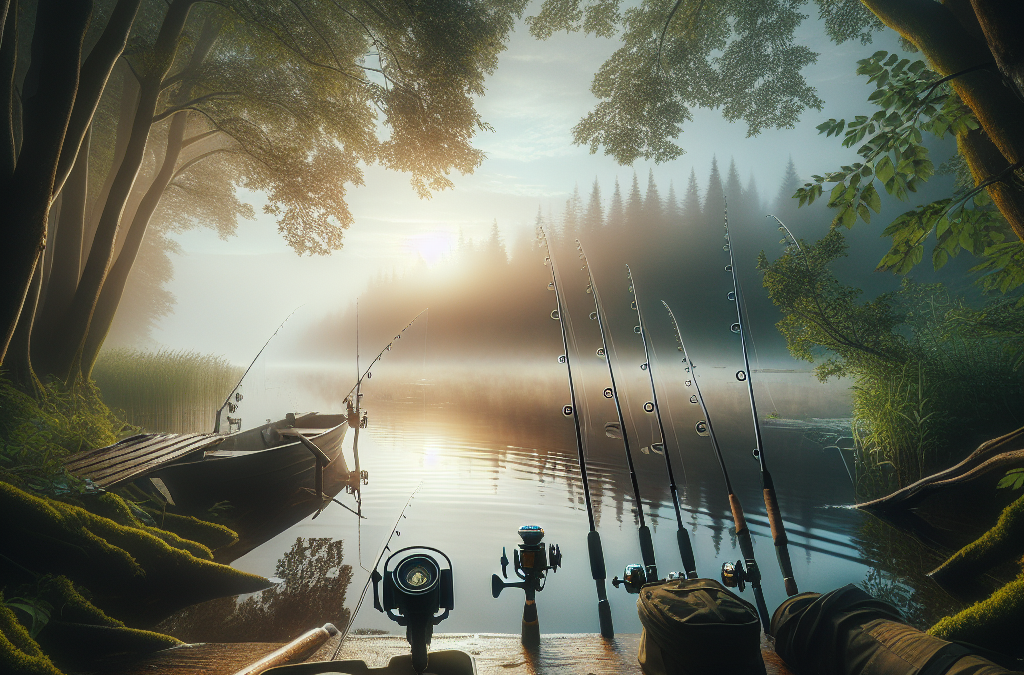
Fishing in small ponds requires specific tactics to maximize your success. Focus on using the right bait, understanding seasonal fish behavior, and employing stealthy techniques.
Successful fishing in these environments hinges on knowing the types of fish present and their feeding habits. Common species include bluegill, bass, and catfish, each requiring different bait and techniques. For instance, bluegill may respond well to worms or small jigs, while bass might be attracted to topwater lures during dawn or dusk. Understanding these nuances can significantly enhance your catch rate.
Another critical aspect is the importance of stealth. Small ponds often have clearer water, which means fish can be easily spooked. Approach quietly, avoid casting shadows, and consider using a kayak or float tube to access areas without disturbing the water surface.

Choosing the Right Bait
Selecting appropriate bait is crucial for fishing success in small ponds. Live bait such as worms, crickets, or minnows often yield better results than artificial lures, particularly for species like bluegill and catfish. When targeting bass, consider using spinnerbaits or soft plastics that mimic the local forage. Experimenting with different bait types can help identify what works best on a given day.
Additionally, pay attention to the time of year. During warmer months, fish may prefer faster-moving lures, while colder months might necessitate slower presentations. Observing local fish behavior, such as surface activity, can provide insights into their feeding patterns and help refine your bait choices.
Many anglers overlook the significance of bait size. Smaller baits can often be more effective in small ponds where fish may be less aggressive. Adjusting your bait to match the size of the local forage can lead to more bites.
Understanding Seasonal Patterns
Fish behavior varies significantly with the seasons, affecting their feeding habits and locations within small ponds. In spring, as water temperatures rise, fish become more active and move towards shallower areas for spawning. This is an ideal time to use topwater lures or shallow-running baits.
Summer brings challenges as fish often seek cooler, deeper waters during the heat of the day. Targeting early mornings or late evenings can increase your chances of success. In autumn, fish begin to feed aggressively in preparation for winter, making this an excellent time for larger baits and faster retrieves.
Winter fishing can be particularly challenging due to slowed metabolism in fish. Focus on deeper areas and slow presentations, as fish will be less likely to chase after fast-moving bait. Understanding these seasonal dynamics allows anglers to adapt their strategies effectively.
Stealth Techniques for Small Ponds
Stealth is paramount when fishing in small ponds, where fish can be easily spooked. To enhance your chances, approach the water quietly and avoid sudden movements. Low-profile fishing gear can help you blend into the environment, and using a kayak or float tube can minimize disturbances.
Another effective technique is to fish from the shore rather than directly in the water. Casting from a distance allows you to cover more area without alerting the fish. When casting, aim for areas with cover, such as fallen trees or lily pads, where fish are likely to hide.

Patience is key; give fish time to return after a disturbance. If you notice a decrease in activity, consider changing your location or allowing some time before casting again. This approach often leads to better results.
Common Mistakes to Avoid
Many anglers make the mistake of using overly large lures in small ponds, which can deter fish. Instead, opt for smaller, more natural-looking baits that match the local forage. Additionally, failing to observe local fishing regulations can lead to legal issues and negatively impact the ecosystem.
Another common error is not adapting to changing conditions. Weather, water temperature, and time of day all influence fish behavior. Regularly assessing these factors and adjusting your approach can significantly improve your success rate.
Finally, many anglers underestimate the importance of tackle selection. Using the right rod, reel, and line can make a substantial difference in both casting distance and sensitivity. Investing in quality gear tailored for small pond fishing can enhance your overall experience.
Further Reading
Authoritative Sources
- U.S. Fish and Wildlife Service
fws.govThis resource provides guidelines on fishing regulations and conservation efforts in local waters
- Take Me Fishing
take-me-fishing.orgA comprehensive guide on fishing techniques, species information, and local fishing spots
Frequently Asked Questions
What is the best bait for small ponds?
Live bait like worms or crickets is often most effective, but artificial lures can work well for bass.
How do seasonal changes affect fishing?
Fish behavior changes with seasons, impacting their feeding habits and preferred locations.
What are common mistakes when fishing in small ponds?
Using large lures, not adapting to conditions, and overlooking tackle quality are frequent errors.
Is stealth important when fishing?
Yes, being quiet and avoiding sudden movements can prevent spooking fish in small ponds.
When is the best time to fish in small ponds?
Early mornings and late evenings are ideal, especially during warmer months.

