
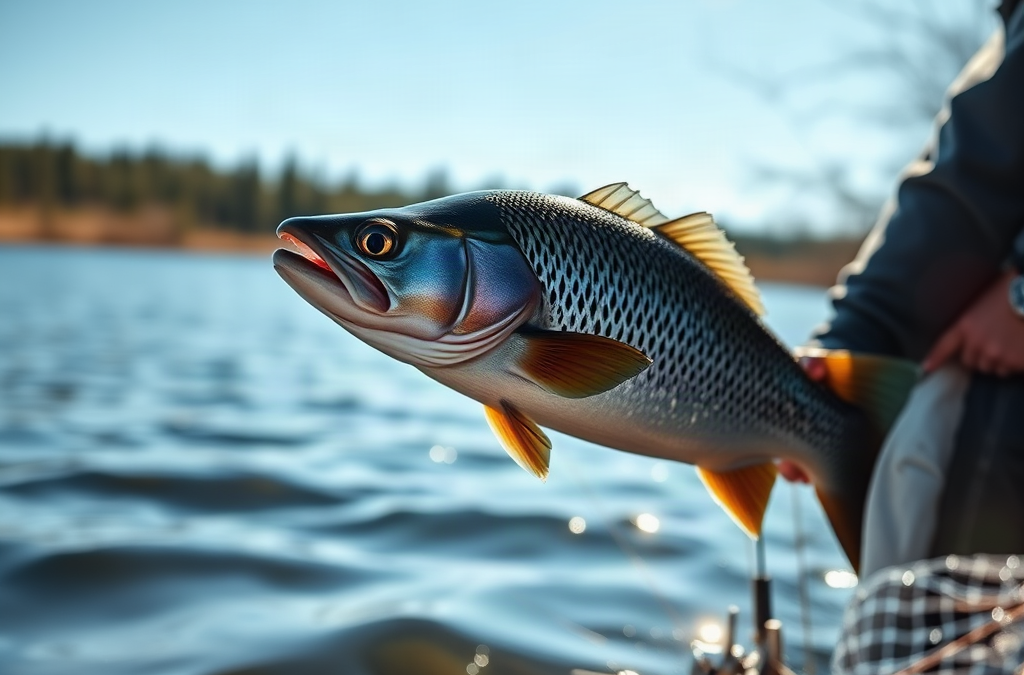
Adjust your fishing approach when fish are skittish by reducing disturbance, downsizing or refining the presentation, and extending the pause between movements. Approach from downwind or with the sun behind you, avoid repeated casts that cross the fish’s line of sight, and let the lure settle before beginning a slow retrieve. Clear water, bright skies, fishing pressure, shallow cover, and abrupt boat noise commonly make fish wary. Start with the least intrusive presentation you can control, then change only one variable at a time so you can tell whether distance, lure action, color, or timing produced a response. If fish follow without striking, slow the cadence before changing locations.
Read the Signs of Wary Fish
Skittish fish usually reveal themselves through behavior before they stop responding altogether. A fish that follows a lure and turns away at the boat, flashes near the presentation without striking, or leaves shallow cover after a cast is giving useful information. Those reactions suggest the fish detected the offering but disliked the speed, profile, sound, angle, or level of disturbance.

Clear water makes these clues easier to see and makes errors easier for fish to detect. In shallow water, a hull shadow, an angler’s movement, or a lure landing directly on top of cover can push fish away. Bright midday light may also make a bold silhouette look unnatural, especially around pressured bass, carp, or trout. Do not assume that a vacant-looking area is fishless simply because the first cast produces no bite.
Separate a refusal from a poor location. If several fish visibly react, remain in the area and make a subtle change. If there is no sign of life after carefully covering likely holding spots, move to a new angle or depth rather than repeatedly presenting the same lure. A common mistake is changing five variables at once; that erases the evidence needed to identify what the fish rejected.
Watch for the difference between active caution and inactivity. A fish that tracks a lure may respond to a slower pause, while a fish buried tightly in cover may need a quiet presentation placed closer to its resting position. The goal is not simply to fish slowly. The goal is to match the amount of movement and visibility to the fish’s reaction.
Reduce Noise, Shadow, and Casting Pressure
Stealth is often the highest-value adjustment when fish are nervous. Approach with controlled movements, keep tackle from striking the deck or gunwale, and reduce unnecessary trolling-motor bursts near shallow targets. From shore, walk softly and keep a low profile; avoid standing directly over clear, shallow water where your silhouette can travel across the bottom.
Boat position matters as much as lure choice. If wind allows, stay outside the fish’s likely casting distance and work parallel to the edge rather than moving directly over it. Casting from downwind can improve lure control, but a strong breeze may carry sound and boat movement differently across the area, so watch how fish respond after the first approach. In clear water, a longer cast is useful only if it remains accurate and keeps the lure from dragging unnaturally.
Consider the sun angle before choosing a route. Keeping the sun at your back can make it harder for fish to see the angler, but it can also cast a long boat or rod shadow into shallow water. A side approach may be less comfortable yet quieter from the fish’s perspective. The best position is the one that gives a natural presentation without forcing repeated casts over the same visible fish.
Repeated casting creates pressure even when the lure is technically correct. After a refusal, move several feet and change the entry angle instead of dropping the lure in the same spot. A soft-plastic bait landing beside cover may outperform a heavier jig that repeatedly crashes onto it. The tradeoff is control: lighter, quieter tackle may be harder to cast or detect, so use the least intrusive option that still reaches the target and produces a reliable hookset.
Refine Lure Size, Action, and Retrieve Speed
A wary fish often needs a presentation that looks easy to inspect and safe to eat. Downsizing can reduce the visual commitment required from the fish, particularly in clear water or after several anglers have worked the same area. A small jerkbait, finesse worm, unweighted soft plastic, or compact spoon may be more convincing than a large, highly vibrating lure. Smaller is not automatically better; it can be difficult to cast, may run above the fish, or may attract undersized fish when a larger profile is needed.
Reduce unnecessary action before abandoning a productive lure family. A suspending jerkbait may work better with a long pause and only slight rod-tip movement. A spinnerbait can be retrieved just fast enough to maintain its track instead of burned through the strike zone. A soft plastic may need to remain still beside a rock or vegetation edge for several seconds. Fish that follow but do not bite often need a change in cadence before a completely different color or lure.
Color should follow visibility and contrast rather than superstition. In clear, bright conditions, translucent or naturally toned patterns may appear less intrusive. In stained water or low light, a darker silhouette or modest vibration can make the lure easier to locate. The choice is a balance: an inconspicuous lure may be accepted more readily but can disappear in poor visibility, while a loud profile may draw attention yet trigger avoidance from heavily pressured fish.
Use the fish’s position to set the retrieve. A suspended fish may require a pause at its level, while a bottom-oriented fish may need a slow drag with brief stops. If the lure passes above the fish, speeding up rarely fixes the problem. Adjust depth first, then cadence. A frequent failure mode is interpreting a missed strike as proof that the lure is wrong when the real issue is a hookset made before the fish fully committed or a lure moving outside the feeding zone.
Use Timing and a Controlled Adjustment Plan
Timing can make a cautious fish easier to approach. Early and late light often reduce visibility for both angler and fish, while wind or surface chop may hide minor disturbances and make a moving presentation feel less exposed. Calm, bright conditions call for more distance, quieter entries, and longer pauses. After a cold front, heavy boat traffic, or a burst of shoreline activity, a rest period may be more productive than immediate repetition.
Build adjustments from least disruptive to most disruptive. First improve your position and casting angle. Next change retrieve speed or pause length. Then test lure size, action, or depth. Move only after the area has been covered with a presentation appropriate to the conditions. This sequence preserves information and prevents an understandable but costly habit: relocating every time a fish refuses one cast.

A simple field checklist can keep the process objective:
- Did the fish see the angler, boat, line, or lure before the presentation reached it?
- Did the lure enter the fish’s depth and approach from a natural direction?
- Did the fish follow, flash, scatter, or show no reaction?
- Can one variable be changed without sacrificing accurate lure control?
Suppose a trout follows a small spinner in clear water but turns away near shore. A longer cast from a lower position, a slower retrieve, and a brief pause before the fish reaches the bank may solve the problem. If it still refuses, a smaller inline spinner or an unweighted bait presented upstream could be worth testing. For bass around shallow docks, backing away and skipping a quiet soft plastic under the edge may be more useful than throwing a louder moving bait repeatedly.
Signs of progress include a fish holding its position, following farther, inspecting the lure without fleeing, or striking after a pause. Signs that the plan is failing include repeated scattering, short follows that end at the same distance, and lure contact that consistently arrives too fast or too high. Keep notes on the condition, approach, and response; patterns become clearer over several outings than during one frustrating cast sequence.
For species-specific behavior, seasonal restrictions, and local habitat information, consult your state wildlife agency, university extension publications, and recognized fisheries organizations. Their guidance can help place cautious-fish behavior in the context of local species, water clarity, forage, and fishing pressure.
Frequently Asked Questions
Should I use a smaller lure when fish are skittish?
Often, but not automatically. Downsize when fish are inspecting or following a lure without striking, especially in clear water; first confirm that the lure is reaching the correct depth.
How close should I get to wary fish?
Stay as far away as practical while preserving accurate casts and lure control. A longer cast is valuable only if it keeps the presentation natural and does not create slack that hides subtle bites.
What retrieve works best for cautious fish?
Begin with a slower retrieve and longer pauses, then adjust to the fish’s depth and mood. A lure that passes above or beyond the feeding zone will not improve simply because it moves more slowly.
Why do fish follow my lure but not strike?
They may dislike the speed, size, color, angle, or sudden movement, or they may be reacting to the angler’s presence. Change one factor at a time so the response remains useful.
When should I leave an area with skittish fish?
Leave after careful casts from a quiet position produce no visible reaction and the likely depth or cover has been covered. If fish follow or flash, stay and refine the presentation before relocating.
Conclusion
Wary fish usually call for less disturbance and more deliberate observation, not frantic lure changes. Protect the approach first by managing boat position, body movement, shadows, landing noise, and casting distance. Then tune the presentation to the fish’s response: slow the cadence, extend pauses, alter depth, or downsize only when the evidence supports it. Keep the lure natural enough to control and detect, because an ultra-light presentation that cannot reach the target creates a different problem. Treat follows, flashes, and scattering as information. Make one adjustment, repeat the cast from a better angle, and move only when the area stops producing useful reactions. That method turns skittish behavior into practical feedback rather than a reason to abandon productive water.

